Waterproof Automotive Wire Connectors
If you are a DIY type of person working in the automotive field or personalizing your own ride, you must have found yourself in a situation where you needed to figure out how to use waterproof connectors. You can use these connectors for all kinds of applications, including exposure to dust, rain, snow and extreme heat & cold. Whether you are adding lights or updating and making changes to existing lighting circuits, it is very important to use the correct connector to ensure a quality electrical connection. In this article I will provide you with all the necessary information regarding waterproof automotive wire connectors.

Quick Answer: A waterproof automotive wire connection depends on the complete matched assembly—not just a plastic housing or an IP number. Select the housing, terminals, cable seals and wire size together; use the specified strip length and crimp tooling; seat every terminal and secondary lock; then inspect and test the finished connection. IEC 60529 and ISO 20653 provide different ingress-protection test frameworks, but an IP claim applies only to the tested configuration and conditions. For serviceable harnesses, choose a sealed multi-pin connector; for a permanent inline repair, a correctly sized sealed crimp splice may be more practical.
Why Are Waterproof Electrical Connectors So Important In Automotive Applications
Automotive wiring may be used in very harsh environments that can include exposure to high levels of water from rain or snow or even high levels from the ground due to flooding and water running through the vehicle. Using waterproof electrical connectors will provide long-term reliability and safety by protecting against the intrusion of water into the wire and preventing corrosion and short circuits from occurring where the circuit is made. Waterproof electrical connectors will also protect the wiring from damage and improve the overall operation of your vehicle’s electrical system. A watertight automotive connector must be assessed as an assembled interface, including its seals and cable entry.
Waterproof electrical connectors use more effective sealing methods than standard electrical connectors. Examples would be using gaskets made with silicone or rubber materials, or better materials used for the housing of the connector—commonly used as a plastic housing. Utilizing waterproof electrical connectors can give you better performance when making an electrically “weatherproof” connection on your vehicle, provided that the connector, seals, cable and assembly process are compatible.
Water can enter through the mating interface, around an individual wire seal, through an unused cavity, or along damaged cable insulation. Capillary movement can also carry moisture beneath insulation. This is why adding tape or heat shrink over an incorrectly crimped or partially locked terminal does not correct the underlying fault.
Types of Automotive Wire Connectors
You will find many styles and types of waterproof automotive wire connectors available in the market today. Knowing which connectors are available can be beneficial when selecting automotive wire connectors.
- Crimp Connectors: Among the most common types, these require a crimp tool for an easy installation and will provide you with a durable connection; available in multiple configurations, such as butt splices and ring terminals.
- Heat Shrink Connectors: Built with crimp technology and heat shrink tubing for added protection, making them useful for solid, water-resistant connections when the tubing, adhesive and cable jacket are compatible.
- Quick-Disconnect Connectors: Allow for fast assembly and disassembly and are ideal in situations where parts need frequent access or replacement.
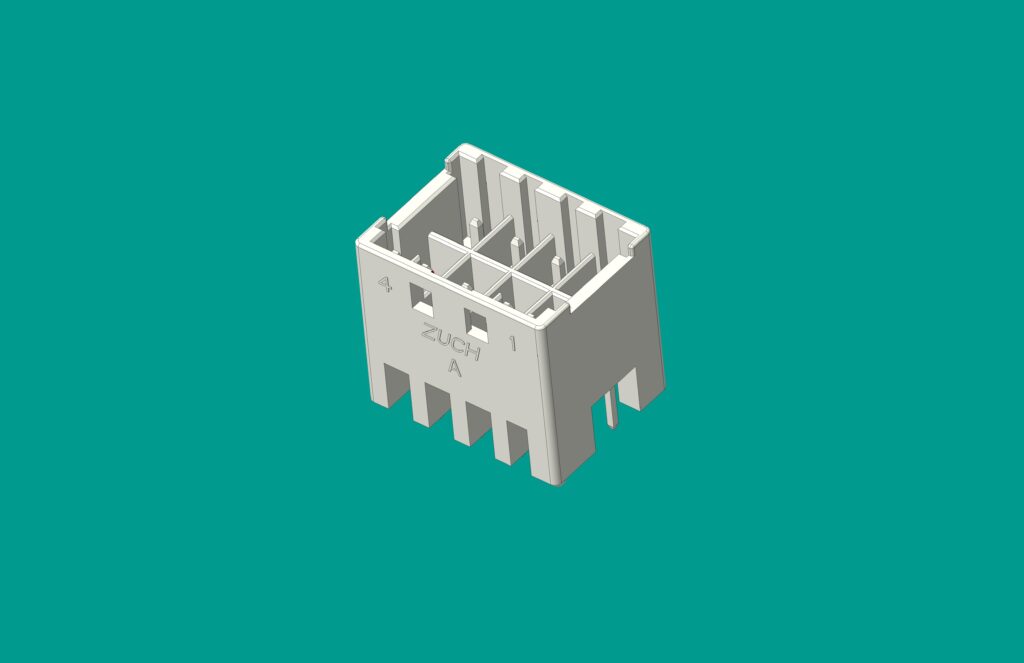
- Weatherproof Multi-Pin Connectors: Allow for multiple wires to be connected at the same time, making them useful for complicated electrical systems such as engine wiring harnesses.
Waterproofing Treatment Options
The treatment should match whether the joint must be disconnected later, where it is mounted and how it will be serviced. The following table is a practical screening guide rather than a substitute for the connector manufacturer’s drawing or vehicle service information.
| Treatment |
Best fit |
Critical control |
Important limitation |
| Individual wire seals plus perimeter interface seal |
Serviceable multi-pin vehicle harness connection |
Correct seal for wire insulation diameter; fully seated terminal and lock |
A missing cavity plug or damaged interface seal can compromise the assembly |
| Adhesive-lined heat-shrink crimp splice |
Permanent inline wire repair in a suitable location |
Correct conductor range, complete crimp and even tubing recovery |
Not readily disconnectable; overheating can damage insulation |
| Gland or backshell strain-relief system |
Cable entry exposed to movement, spray or abrasion |
Cable outside diameter, compression range and bend support |
Does not compensate for an unsealed mating interface |
| Dielectric grease where the connector maker permits it |
Supplementary moisture and corrosion control during service |
Specified chemistry and quantity |
It is not a replacement for seals, cavity plugs or correct terminal contact |
How to Properly Use Your Waterproof Wire Connectors
In order to ensure a reliable and secure connection to your waterproof electrical connectors, follow the steps below:
- Prepare Your Wires: Strip the end of your wires with a stripping tool but be careful not to damage any of the wire strands.
- Select the Correct Connector: Unless otherwise specified, choose the appropriate connector based on the wire gauge and connection type needed for your application.
- Install the Connector: Insert the prepared wire ends into the connector according to the manufacturer’s instructions and use a crimping tool to make the connection secure. See this practical guide to how to crimp automotive connectors for the basic sequence.
- Use Heat Shrink (Optional): For heat-shrink connectors, use controlled heat to shrink the tubing around the wire and connector. This can provide additional dust and moisture protection when the materials and heating process are suitable.
- Test Connection: A connection should be checked for mechanical security and electrical continuity once it has been installed; ensure that the connector is securely attached.
Installation Checks That Protect the Seal
- Confirm the terminal, housing, seal and cavity plug part numbers belong to the same connector system.
- Match the seal to the finished wire insulation diameter, not only the nominal conductor size.
- Follow the supplier’s strip length, crimp height and applicator requirements; do not solder a crimp unless the documented process specifically calls for it.
- Keep seal surfaces clean and avoid cutting, twisting or lubricating them unless the manufacturer permits the lubricant.
- Push each terminal until its primary retention feature engages, then close the secondary lock and perform the specified retention check.
- Cap every unused cavity with the correct plug and provide strain relief so vibration is not transferred to the seal or terminal.
If a housing, terminal lock or cable has already been damaged, consult this guide on how to fix automotive electrical connectors before deciding whether the part can be serviced or must be replaced.
How to Select a Waterproof Automotive Wire Connector
“Waterproof” is not a complete purchase specification. Record the electrical load, wire range, mounting location, fluid exposure, vibration, temperature range, mating frequency and service method before comparing parts. For procurement, ask for a drawing and test evidence that cover the complete mated connector and the exact cable or seals you intend to use.
| Application condition |
Selection priority |
Evidence to request |
Common mistake |
| Protected passenger-compartment location |
Electrical rating, keying, retention and service access |
Product drawing, wire range and terminal application specification |
Paying for a high ingress claim while overlooking current, fit or serviceability |
| Exterior splash or wheel-area exposure |
Sealed interface, wire seals, cavity plugs, drainage and abrasion control |
Ingress test report tied to the exact assembled configuration and mounting assumptions |
Assuming the housing alone determines water protection |
| Temporary immersion risk |
Verified immersion classification plus cable and seal compatibility |
Standard edition, IP designation, depth, duration, acceptance criteria and tested configuration |
Reading an immersion claim as permission for indefinite submersion |
| High-pressure vehicle cleaning |
Protection specifically evaluated for the relevant high-pressure/high-temperature jet exposure |
Exact IEC 60529 or ISO 20653 designation and traceable test conditions |
Assuming IP67 or IP68 automatically covers pressure washing |
| Engine-bay or near-fluid exposure |
Temperature, vibration, chemical compatibility and strain relief as well as water ingress |
Material data, environmental test scope and connector application specification |
Using an IP code as a substitute for heat, chemical or vibration validation |
When comparing sources, start with the technical requirements rather than availability alone. The checklist in where to buy automotive electrical connectors can help organize supplier documentation and sample evaluation.
Understanding IEC 60529 and ISO 20653 Claims
IEC 60529 defines the IP Code for degrees of protection provided by enclosures against access to hazardous parts, solid foreign objects and water. The first numeral addresses access and solids; the second addresses water. An IEC 60529 classification describes performance under the specified laboratory test and acceptance conditions—it does not by itself prove suitability for every mounting position, chemical, pressure-wash process, temperature cycle or period of service.
ISO 20653 applies an IP-code framework to electrical equipment in road vehicles. Its scope and test designations are not interchangeable with every IEC 60529 claim, particularly when a requirement includes road-vehicle high-pressure or steam-jet exposure. Buyers should state the applicable standard, edition and exact IP designation, then confirm the test configuration, cable exits, unused cavities, conditioning and acceptance criteria.
Neither standard is, by itself, a statement that a connector has been certified. A manufacturer or laboratory report must identify what was actually tested. Likewise, IPC/WHMA-A-620 addresses requirements and acceptance for cable and wire harness assemblies; it can support process control for stripping, crimping and assembly, but it is not an ingress-protection certification.
Waterproof Automotive Wire Connector Advantages
When choosing connectors that best match your automotive needs you will find many benefits:
- Moisture Protection: Specialized seals can reduce moisture entry, minimizing corrosion and short circuits associated with water intrusion.
- Durability: These connectors can use tough, weather-resistant materials that support a longer service life than an unsuitable unsealed style in the same environment.
- Ease of Use During Installation: New designs for waterproof wire connectors provide an ease-of-use feature that can accommodate a DIY installer; an example would be a quick-disconnect type connector.
- Versatility: You can use these connectors with many types of electrical applications; from basic lighting circuits to highly complex electronically controlled systems, they can meet a variety of application requirements when correctly specified.
Waterproof Wire Connector FAQ
Can I use waterproof wire connectors outside the automotive industry?
Yes. Waterproof wire connectors can be used in marine, outdoor and industrial applications, but the required materials, tests and regulations may differ. Select against the actual environment and the applicable industry requirements rather than assuming an automotive connector is automatically suitable elsewhere.
Are heat shrink connectors necessary?
No. Although using heat-shrink connectors can provide additional protection, it is not needed for every connector; correctly assembled crimp or silicone-sealed systems may already provide the required protection. Follow the connector maker’s process instead of adding heat shrink where it could interfere with a seal, latch or service procedure.
How do I keep my connectors waterproof over a long period of time?
Make sure your connector is installed properly, inspect it at appropriate service intervals, replace damaged seals or housings and keep the harness supported. Use dielectric grease only where the connector manufacturer permits it and in the specified amount; grease does not restore a cut seal or loose terminal.
What are the best connectors for automotive wiring?
The best connector is the one validated for the circuit current, wire range, mating interface, temperature, vibration, fluid exposure and service needs of its location. A sealed multi-pin connector is often appropriate for a detachable exterior harness, while a documented sealed splice may suit a permanent repair. Confirm the vehicle service information and connector drawing before choosing.
What are the best waterproof electrical cable connectors?
Look for a matched connector system with compatible terminals, cable seals, interface seals and cavity plugs, backed by ingress test evidence for the assembled configuration. Also check electrical rating, cable diameter, chemical compatibility, strain relief and the required mating cycles. No single IP number identifies the best option for every vehicle location.
How to make a wire connector waterproof?
Use a connector designed as a sealed system, match each seal to the wire insulation diameter, crimp with the specified tooling, seat the terminal and secondary lock, plug unused cavities and support the cable. For a permanent splice, use a manufacturer-approved sealed crimp and controlled heat-shrink process if specified. Wrapping an unsealed or poorly crimped connection in tape is not an equivalent treatment.
What is the best way to connect automotive wires?
For most harness work, use the vehicle maker’s specified terminal or splice and a controlled crimp process that produces both electrical contact and mechanical strain relief. The correct method depends on whether the joint must disconnect, its current and wire range, and its exposure. Verify the result by visual inspection, a specified mechanical check and appropriate electrical testing.
What is the best way to waterproof wire connectors?
Start with a purpose-designed sealed connector rather than trying to waterproof an incompatible open connector afterward. Protect every entry path with the specified interface seal, individual wire seals and cavity plugs, then route and support the harness to prevent seal distortion. Confirm the needed water test and environmental conditions in the purchasing specification.
How to install automotive wire connectors?
Disconnect power where required, identify the circuit and parts, strip the wire to the specified length, position the terminal and seal correctly, and crimp with the approved tool. Insert the terminal until it locks, engage any secondary lock, mate the connector fully and inspect or test it according to the service procedure. Never force a mismatched terminal or housing.
References and Further Reading
Waterproof automotive wire connectors are essential for many exposed automobile electrical systems because they can provide a durable and reliable connection when correctly selected and assembled. You can prevent significant electrical problems by purchasing the proper type of electrical connector and following the correct installation method to limit moisture intrusion and oxidation or corrosion. If you are a professional mechanic or DIY installer, using a documented connector system and a controlled assembly process can support years of reliable service.
The practical rule is simple: specify and verify the complete connection, because its weakest seal, crimp or cable entry determines the result. ZUCH Technology can help buyers compare configurable connector options and the documentation needed for an application review; contact the team with the circuit, wire, environment and service requirements before selecting a part.
 Zhejiang ZUCH Technology Co., Ltd.