Automotive Firewall Bulkhead Connector
Quick Answer: An automotive firewall bulkhead connector creates a serviceable passage for power or signal circuits through the vehicle firewall. Select it by circuit load, cavity count, wire size, panel thickness, mounting method, temperature and vibration exposure, and the required environmental seal. Verify the connector as a complete system—housing, terminals, seals, backshell and assembly process—rather than choosing by appearance or cavity count alone.
In the ever-changing world of auto engineering, firewall bulkhead connectors are critical in allowing electrical and mechanical systems to pass safely and efficiently through your car’s firewall. They are vital to keeping all the various systems working properly and protect the inside of your car from harmful outside elements. This article will talk to potential buyers and people who work in the industry about why, what the function of these connectors is, and what specifications they have.
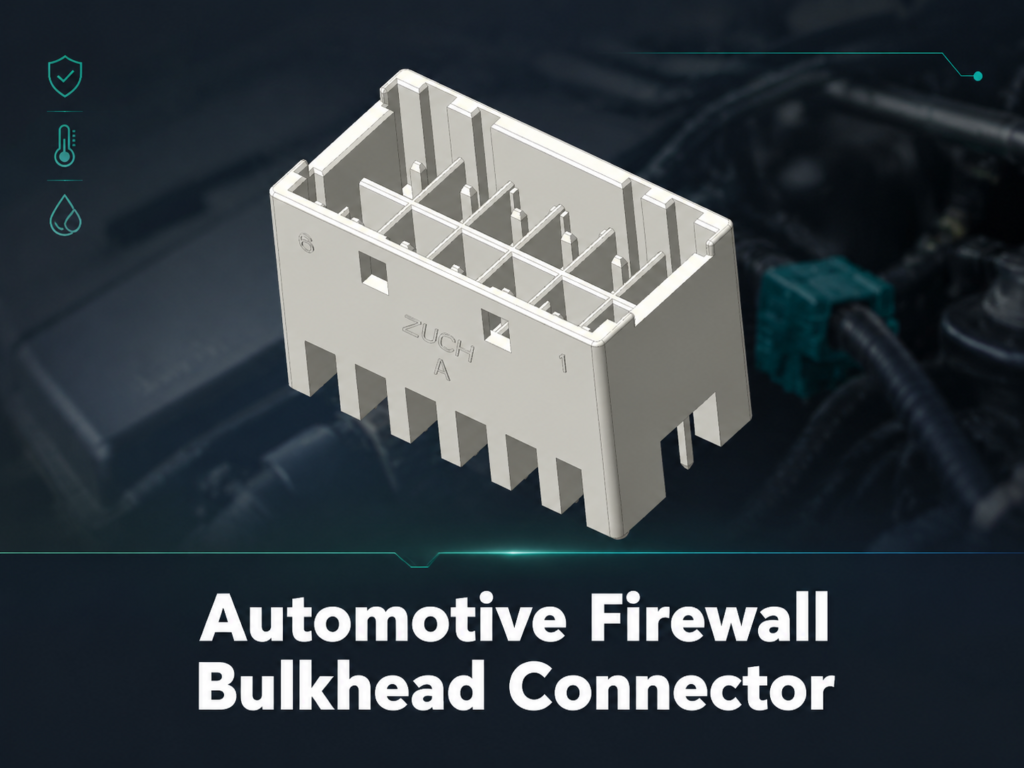
What is a Bulkhead Connector?
A bulkhead connector is a type of connector that connects two compartments through a panel; in this case, the firewall of an automobile. This type of connector is intended to create secure and accessible entry/exit points for hoses or cables (telephones) from one compartment to another without compromising either the structural integrity of the two compartments or the environmental conditions between them. In automotive applications, firewall bulkhead connectors play a critical role in allowing electrical signals and electrical power to pass between the engine compartment and the passenger compartment.
Importance of Automotive Firewall Bulkhead Connectors
There are several functions that automotive firewall bulkhead connectors perform which illustrate their importance to automotive design in general:
1. Protect: They protect both sensitive electrical circuits and wiring from the extreme conditions found in the engine compartment (i.e. heat, moisture, dirt) so that the vehicle can continue to function correctly.
2. Sealing Ability: A properly designed bulkhead connector builds a barrier to prevent fumes or noise from entering the passenger compartment, while helping to regulate the temperature in the vehicle.
3. Durability and Reliability: Due to their robust construction, they will provide long-term durability even when subjected to the vibration and temperature extremes that are typical during vehicle operation.
4. Easy Maintenance: These connectors are designed to allow mechanics to readily disconnect and reconnect systems during vehicle maintenance or repair activities; thus, reducing the amount of time and labor associated with maintenance and repairs.
Features and Specifications of Automotive Bulkhead Electrical Connectors
When choosing an automotive bulkhead electrical connector, you should look for specific features and specifications:
– Material / Finish: High-performance materials including corrosion-resistant metals and dielectric coatings used in the manufacturing of the connector will result in long-lasting performance.
– IP (Ingress Protection) Rating: Ensure that the bulkhead electrical connector provides the proper ingress protection rating against dirt and moisture.
– Temperature Rating: Select connectors that are rated for the high and low temperature conditions found in the engine compartment.
– Mounting Style: Consider how easy it is to install bulkhead connectors and their ability to accommodate different wall widths.
– Current and Voltage Rating: Be sure that the bulkhead connector is rated for the amount of current and voltage needed to support the application. Check the automotive harness connectors on both sides of the firewall and the electrical connector functions needed at the pass-through.
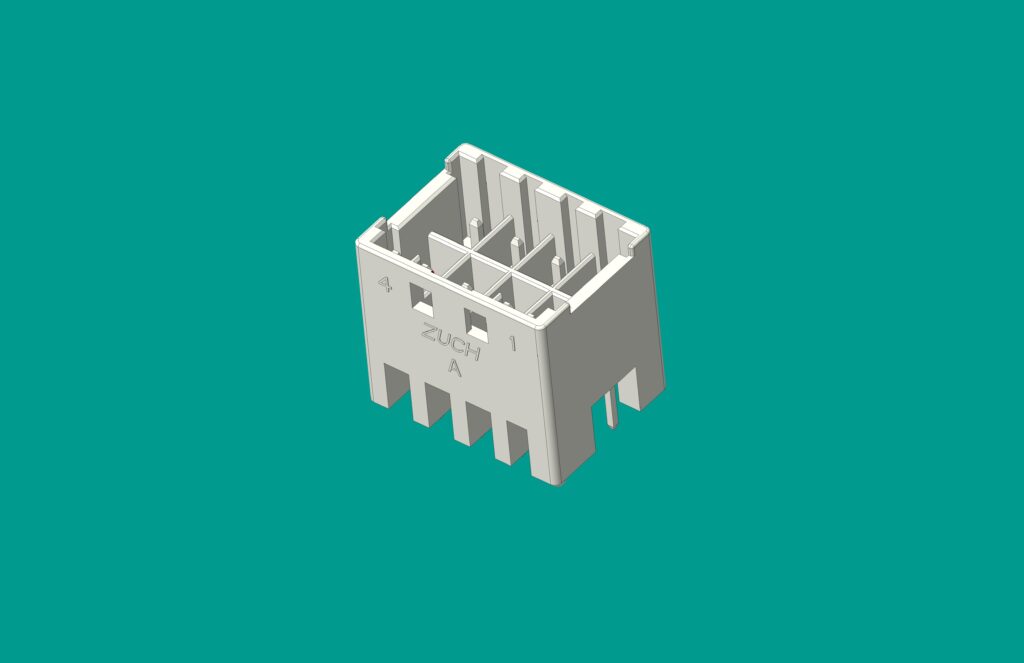
Choosing the Right Automotive Bulkhead Connectors
When selecting the correct bulkhead connector for your application, consider the following:
– Compatibility: Ensure that the bulkhead connector matches the vehicle’s specifications and system requirements.
– Application Requirements: Different systems, i.e. fuel lines, electrical, or signal circuits may have unique application requirements.
– Environment: The type of operating environment such as exposure to chemicals and wide-ranging temperature extremes will greatly affect the choice of materials and design of the connector.
FAQs About Bulkhead Connectors
What is a bulkhead connector?
A connector that provides a path for wires or fluid lines through a barrier (firewall) while still maintaining the integrity of the firewall.
Are all bulkhead connectors waterproof?
Most bulkhead connectors are designed to be water resistant; however, specific bulkhead connectors may need to be utilized in environments where there is continuous moisture.
Are bulkhead connectors reusable?
Most quality bulkhead connectors are designed to be reused several times with proper maintenance and care.
In conclusion, automotive bulkhead firewall connectors are critical to intercompartmental wiring within a vehicle. They provide both functional reliability and environmental sealing. To select bulkhead connectors, you will want to balance technical specifications, durability, and compliance to vehicle specifications to support increased vehicle performance and safety. As the evolution of automotive design continues, bulkhead connectors will remain a foundational element in the ongoing development of fuel-efficient, environmentally sustainable vehicles.
Firewall Bulkhead Connector Selection Table
| Selection factor |
What to verify |
Why it matters |
| Electrical load |
Voltage, continuous and peak current, wire size, terminal derating and circuit separation |
Reduces overheating, voltage-drop and cross-circuit risks |
| Panel interface |
Firewall thickness, cutout, keying, flange or threaded retention, installation access |
Controls fit, retention and serviceability |
| Environment |
Temperature range, vibration, fluids, dust, moisture and pressure-wash exposure |
Determines housing, plating and sealing needs |
| Sealing |
Interface seal, wire seals, unused-cavity plugs and documented test conditions |
A rating only applies to the tested configuration and conditions |
| Assembly quality |
Specified crimp tooling, terminal retention, strain relief and inspection criteria |
The installed harness can fail even when the connector housing is suitable |
| Lifecycle and service |
Mating-cycle expectation, repair access, replacement terminals and documentation |
Supports maintainability and total lifecycle cost |
Standards and Validation Considerations
IPC/WHMA-A-620 provides acceptance requirements for cable and wire harness assemblies. It is an assembly workmanship and acceptance standard, not automatic certification of a particular bulkhead connector. Procurement documents should state the required class, revision and acceptance criteria where applicable.
Automotive connection-system suppliers such as TE Connectivity, Molex and Aptiv publish families intended for vehicle environments, but suitability still depends on the exact part number and the supplier’s documented ratings. Request evidence for the intended mounting, wire range, terminal, seal and test configuration; do not transfer a family-level claim to every variant.
For sourcing, compare drawings and samples against the vehicle interface, then validate the assembled harness under the destination vehicle manufacturer’s applicable electrical, mechanical and environmental test plan. ZUCH Technology can support connector selection and sourcing discussions when buyers provide circuit, panel and operating-environment requirements.
Practical Procurement Checklist
- Freeze the circuit list, wire gauges, load profile and spare-cavity requirement before selecting the shell.
- Confirm the firewall cutout, thickness, orientation, keying and assembly access from both sides.
- Match every housing with the specified terminals, seals, cavity plugs, strain relief and tooling.
- Review the crimp and inspection process; see how to crimp automotive connectors for related assembly considerations, and plan service procedures using the guidance on how to depin an automotive connector.
- For wet or exposed locations, compare the documented seal configuration with the guidance on waterproof automotive wire connectors.
Frequently Asked Questions
What is a bulkhead connector?
A bulkhead connector is a connector mounted through a panel or barrier so circuits can pass from one side to the other through a fixed, protected interface. In a vehicle, that barrier may be the firewall between the engine and passenger compartments.
What is the purpose of a bulkhead connector?
Its purpose is to organize and retain electrical pass-through circuits while supporting sealing, mechanical protection and service disconnection. The exact protection depends on the complete installed connector and its documented test conditions.
What is the difference between a flange and a bulkhead connector?
A flange describes a mounting feature, while a bulkhead connector describes the through-panel function. A bulkhead connector may use a flange, threads, clips or another retention method, so the terms are not interchangeable.
What are the different types of bulkhead fittings?
In broad terms, through-panel fittings may carry electrical conductors, fluid lines, pneumatic lines or optical connections. For automotive electrical work, common distinctions include sealed versus unsealed designs, single- versus multi-cavity layouts, and flange-, threaded- or clip-mounted retention.
What are bulkhead connectors?
Bulkhead connectors are fixed interfaces that pass one or more circuits through a panel and provide a defined mating point on each side. Their housings, terminals, seals and mounting hardware must be selected as a compatible system.
What are the best connectors for automotive wiring?
There is no universal best connector; the right choice meets the circuit load, wire size, packaging, vibration, temperature, fluids, sealing and service requirements of the specific location. Compare supplier drawings and test documentation, then validate the assembled harness under the applicable vehicle test plan.
References and Further Reading
A reliable firewall connection is specified as a complete interface, not merely selected as a housing. To discuss an automotive bulkhead connector for your harness, review ZUCH Technology’s connector product range and contact the team with your circuit list, panel details and environmental requirements.
 Zhejiang ZUCH Technology Co., Ltd.