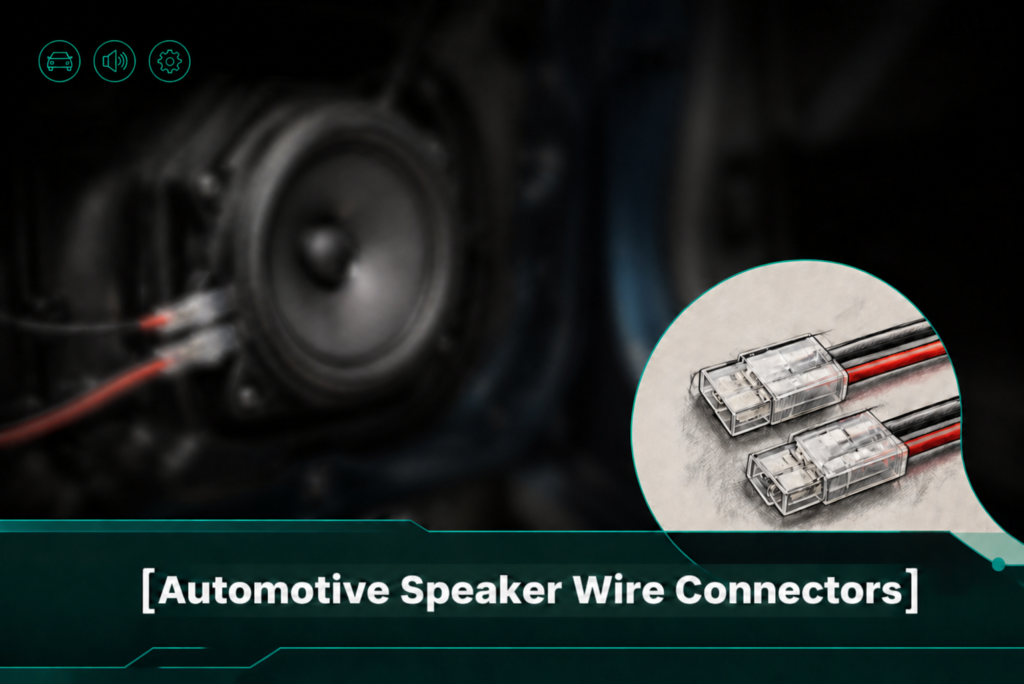
Automotive Speaker Wire Connectors
Speaker wire connection components may appear to be inconsequential; however, they are fundamental for optimizing your car audio system. The function of these connectors is threefold: to provide a clean signal path, deliver a consistently reliable connection, and help to limit interference between audio-device wiring and the speakers themselves. If you are upgrading or installing a new car audio system, learning about automotive speaker cables and connectors will help you obtain reliable connections and consistent audio performance.
Quick Answer: Choose automotive speaker wire connectors by matching the connector interface, wire size, terminal material and plating, retention method, environment, and service needs. For most vehicle harness work, a connector or splice should be installed with the specified tool and process, secured against strain and vibration, kept clear of heat and sharp edges, and checked for correct polarity before the trim is reassembled. A neat-looking joint is not enough: the terminal must fit its housing and mate correctly with the speaker or harness interface.
How Do Speaker Wires Affect Audio Quality?
Speaker wire connectors provide a necessary means of transmitting audio signals. Poorly connected speaker wire connectors can cause intermittent output, noise, distortion, or loss of a channel. A stable, low-resistance electrical interface helps the system perform as intended. Installers also need to account for vibration, temperature changes, moisture exposure, and movement of the harness.
Connector selection is only one part of the signal path. Wire condition, conductor size, terminal-to-wire compatibility, crimp quality, contact condition, and strain relief all affect the finished connection. If the vehicle or component manufacturer provides a drawing, repair procedure, or approved terminal system, that information should control the installation.
Connector Types for Speaker Wire
There are many different types of connectors that can be used for speaker wires in an audio system. The appropriate connector will depend on the audio equipment design and the mating interface.
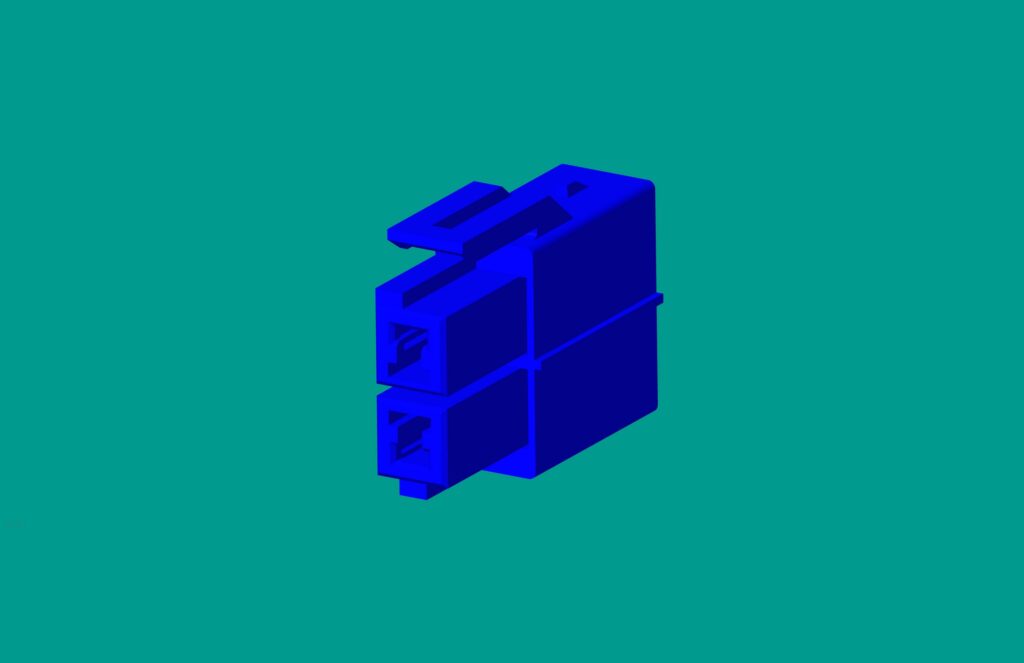
- Spade Connectors – Flat terminals used where the speaker or device has a matching tab or binding interface. They are common in vehicle speaker connections, but tab width, thickness, polarity, and retention must match.
- Banana Plugs – Convenient removable plugs used mainly with compatible binding posts. They are more common in home and test setups than behind factory vehicle trim.
- Pin Connectors – Useful where the mating terminal is designed to accept a pin; correct diameter and retention are essential.
- Quick Disconnects – Separable terminals that simplify speaker or module replacement when their size, locking action, and insulation suit the application.
- Crimp Connectors – Terminals or splices attached through a controlled crimp process. Performance depends on using a terminal and tool that match the conductor and insulation.
| Connector or joining method |
Useful when |
Check before selection |
Typical limitation |
| Vehicle-specific plug housing |
Connecting to an OEM-style speaker or harness interface |
Mating geometry, keying, cavity count, terminal family, lock, and polarity |
A visually similar housing may not mate or retain the terminal correctly |
| Insulated quick disconnect |
A matching speaker tab needs to remain serviceable |
Tab dimensions, wire range, grip, insulation, and clearance |
Incorrect sizing can produce a loose fit or damaged tab |
| Crimp splice |
Joining two compatible conductors within a protected harness |
Conductor size, splice capacity, tool, pull security, insulation, and strain relief |
Not suitable when the joint must be disconnected for service |
| Soldered splice |
The governing repair procedure permits solder and the joint can be supported and insulated |
Surface preparation, solder flow, insulation, strain relief, and heat exposure |
A rigid or poorly supported joint can concentrate flexing near the splice |
| Twist-and-tape joint |
Temporary diagnosis only |
Replace with a controlled, durable connection before final assembly |
Can loosen, expose conductors, and provide inconsistent insulation |
How to Choose the Right Speaker Wire Connector
When choosing and using speaker wire connectors for an automotive audio system, consider the following:
Wire compatibility: Confirm that the terminal or splice is intended for the conductor size and construction. A terminal that is too large may not grip the conductor correctly; one that is too small may damage strands or prevent full insertion.
Mating compatibility: Check the actual interface rather than choosing by appearance. Housing keying, terminal shape, tab dimensions, cavity position, latch geometry, and polarity all matter.
Connector material and finish: Select contact materials and finishes according to the specified system and operating environment. A premium-sounding material description does not compensate for poor fit, an incorrect crimp, or an incompatible mating surface.
Durability: Automotive environments can include vibration, temperature variation, humidity, contamination, and harness movement. The connector, insulation, locking method, and strain relief should fit the actual installation location.
Ease of installation and service: Choose a system that can be assembled with the correct tool, inspected, insulated, and disconnected later if the speaker or trim panel may require service.
Speaker Connector Selection Checklist
| Check |
Question to answer |
Evidence to retain |
| Interface |
Does the connector match the speaker, amplifier, adapter, and harness without forcing? |
Part drawing, mating-part number, or verified sample |
| Wire fit |
Is the terminal or splice specified for the conductor and insulation being used? |
Supplier application specification or terminal data |
| Retention |
Do the primary lock, housing latch, and any secondary lock engage fully? |
Assembly instructions and post-assembly inspection |
| Environment |
Will the location expose the connection to moisture, heat, abrasion, or repeated movement? |
Vehicle-location assessment and applicable component requirements |
| Process |
Are the specified preparation, crimping, soldering, insulation, and inspection steps available? |
Work instruction, tool identification, and inspection criteria |
| Serviceability |
Can the connection be released or repaired without damaging the speaker or harness? |
Service procedure and access check |
For a deeper look at tool and process selection, see how to crimp automotive connectors. IPC/WHMA-A-620 can also inform cable-and-wire-harness assembly requirements and acceptance criteria when it is specified by the customer or contract; it is an assembly standard, not a blanket product certification.
Typical Methods for Joining Speaker Wires
Joining speaker wires together requires preparation and a suitable method to produce a stable, insulated connection. Common approaches include:
Twisting and taping: Twisting conductors together and wrapping the joint with electrical tape may create a temporary diagnostic connection, but it can loosen or lose insulation integrity under vibration. It should not be treated as a finished vehicle-harness repair.
Soldering: Soldering can create a durable electrical joint when the applicable repair procedure permits it and when preparation, heat control, insulation, and strain relief are correct. It is not automatically better than a correctly specified crimp; the better method is the one approved for the terminal system and validated for the installation.
Using connectors to join speaker wires: Crimp splices, quick-disconnect terminals, and vehicle-specific connector housings can provide professional, serviceable connections when their wire range, mating interface, tooling, insulation, and retention match the application. RCA connectors serve line-level or equipment interfaces in some audio systems and should not be substituted for a speaker terminal unless the equipment is designed for that interface.
If an existing joint is intermittent, overheated, corroded, or mechanically damaged, review how to fix automotive electrical connectors before deciding whether to repair the terminal, replace the housing, or replace a harness section.
Tips for Installing Automotive Speaker Wire Connectors
To help an automotive audio system perform consistently, choose automotive wire connectors that match the speaker terminals and conductor size, then complete each installation step before closing the trim:
- Disconnect and identify: Follow the vehicle service procedure, isolate power where required, label channels, and document original polarity before cutting or depinning.
- Prepare the wire: Use the specified strip length and avoid nicking, cutting, or losing conductor strands.
- Install with the correct process: Use the tool, die, terminal orientation, and inspection criteria specified for the connector system. Do not use pliers as a substitute for a controlled crimp tool.
- Check polarity: Match positive and negative conductors consistently. Reversed polarity at one speaker can create phase-related cancellation and an uneven sound field.
- Check retention: Confirm the conductor is secure, the terminal is fully seated, and primary and secondary locks engage where present.
- Insulate and support: Cover exposed conductors, provide strain relief, and prevent the joint from carrying harness tension.
- Route strategically: Keep wiring away from sharp edges, moving parts, high-heat areas, and paths that can pinch or abrade the insulation. Separate audio wiring from likely noise sources where the vehicle layout allows.
- Test before reassembly: Verify each channel, listen for intermittency, move the harness gently to expose loose connections, and confirm trim will not crush the wire.
If a connector must be removed from its housing, use the lock-release procedure in the automotive connector depinning guide rather than pulling on the wire.
Frequently Asked Questions
What connectors do car speakers use?
Car speakers commonly use vehicle-specific plug housings, blade or quick-disconnect terminals, and other terminals designed to match the speaker or adapter harness. The correct choice is determined by the mating interface, wire size, polarity, retention, and installation environment—not by connector name alone.
What are the best car audio wire connectors?
The best connector is one that matches both mating halves, supports the actual conductor, locks securely, tolerates the installation environment, and can be installed with a controlled process. A vehicle-specific plug is often useful when preserving an original interface, while a correctly sized crimp splice may suit a permanent in-harness join.
What is the best way to join speaker wires together?
Use the vehicle, equipment, or connector manufacturer’s approved joining method. A properly specified crimp splice is repeatable and avoids introducing a rigid soldered section; a soldered splice can also be suitable when the governing procedure allows it and the joint receives correct insulation and strain relief. Twisting and taping is not a durable final repair.
Is it better to crimp or solder speaker wires?
Neither method is universally better. Crimping is usually preferred where the terminal system is designed for a specific conductor and tool, while soldering may be acceptable under an approved repair process. Judge the result by compatibility, mechanical support, insulation, inspection, and the requirements for that vehicle or component.
What is the best way to connect car speaker wires?
Identify the speaker and harness interface, preserve polarity, select a compatible terminal or adapter, install it using the specified method, and then inspect retention and insulation before testing. Avoid cutting an original harness when a verified mating adapter can meet the service need.
What are the best connectors for car audio wiring?
For speaker-level wiring, use connectors intended for the speaker, harness, conductor size, and vehicle location. Vehicle-specific housings support keyed mating and serviceability; quick disconnects can suit matching speaker tabs; correctly sized crimp splices can suit permanent joins. Confirm the connector data and installation process before ordering production quantities.
Can I use banana plugs in my car audio equipment?
Banana plugs can be used only where the equipment provides a compatible binding interface and where the plug will remain secure and insulated in the vehicle environment. Many factory speaker connections instead use keyed housings or quick-disconnect terminals designed for the speaker tabs.
Can I reuse connectors?
A housing may be reusable if it is not cracked, distorted, contaminated, or missing a functional lock, but crimp terminals and damaged retention features should be assessed against the component supplier’s instructions. Do not reuse a part merely because it can be reassembled; confirm contact condition, retention, fit, and the applicable repair policy.
References and Further Reading
Automotive speaker wire connectors are necessary components in a durable, serviceable vehicle audio installation. The right connector is the one that matches the interface, wire, environment, assembly process, and maintenance plan. Careful selection, controlled installation, and inspection are more reliable than choosing by appearance or material description alone.
For connector sourcing or a design review, compare verified drawings and samples before volume ordering. ZUCH Technology can discuss mating interfaces, wire-harness assembly requirements, and sourcing considerations for automotive electrical connector OEM projects; contact the team with your application, mating-part information, wire details, environment, and service requirements.
 Zhejiang ZUCH Technology Co., Ltd.