Motor Connector Vibration Retention: A Buyer Verification Checklist
Motor connector vibration retention is a system question: a latch, terminal retainer, crimp, harness support and assembly condition all have to be identified before evidence can be compared. Buyers often ask whether a visible lock proves suitability, but a product photograph cannot establish the released mating pair, the terminal process, the cable route or the test limits that apply to a particular motor assembly. This checklist turns that uncertainty into a reviewable RFQ: define the controlled connection, separate mechanical retention from electrical intermittency, request configuration-linked records, and keep changes visible. It also explains where connector test methods help and where they stop short of a universal vibration certification.
The short answer is to verify the complete released assembly against an identified requirement, not to approve a connector from its lock style. IEC 60512-1:2018 provides a generic framework, while the detail product specification selects the test, severity and permissible limits. That distinction applies to both sample comparisons and production reviews: a result for one terminal, wire, route or mounting arrangement should not silently cover another. The next step is to request the configuration-linked record and mark any mismatch or missing condition as an open question before a procurement or release decision.
Inhalt
How should you define the verification boundary?
Start by stating what decision the buyer is making. The request may concern a released motor harness, an engineering sample, a proposed alternate, or an early sourcing discussion. Those are different evidence questions. Record whether the review concerns only housing engagement, the terminal-to-wire interface, the complete harness, or electrical continuity while the assembly is disturbed.
Write the controlled configuration before discussing vibration. Name the connector and mating component, their revisions, terminal and housing state, keying, wire range, crimp or termination process, and the assembly conditions that the request covers. IEC 60512-1:2018 describes a generic framework for connector tests and measurements, including locking mechanisms, contacts and terminations; the detail product specification still defines the selected test, severity and permissible limits. Read the IEC 60512-1:2018 scope before treating a test reference as a product-level result.
| Verification input |
Why it matters |
Controlled record |
| Connection definition |
Names the complete mating arrangement |
Connector, mating, terminal, and housing drawings |
| Requirement boundary |
States what the program needs reviewed |
Project requirement or test request |
| Evidence scope |
Prevents a feature from being treated as proof |
Requested report, record, or open-question list |
What makes the complete connection under review?
Retention belongs to the parts that create the connection. Identify the mating pair, keying, terminal population, housing state, terminal-retention definition and controlled revision. Also record whether the connector is mounted to a motor, bracket or enclosure, because the mechanical boundary changes what is actually being reviewed.
An alternate housing or terminal may look close enough for a photograph while still being a different configuration. Keep the buyer’s drawing and revision in the RFQ so a response can be tied to the actual connection. For a related technical reference, see Motor Connector Temperature Rise: Review Terminal and Housing Inputs. For service access and replacement inputs, see Quick-Connectors for Serviceable Assemblies: Review Access and Replacement Inputs.
Wichtig: A lock feature can be one input to a verification plan, but it does not substitute for program requirements and controlled evaluation. IEC 60512-1 makes the same boundary clear: generic methods are used with detail product specifications that set the applicable procedure and limits. Do not infer vibration suitability from a retention feature alone.
How should lock, terminal retention, and crimp evidence be checked together?
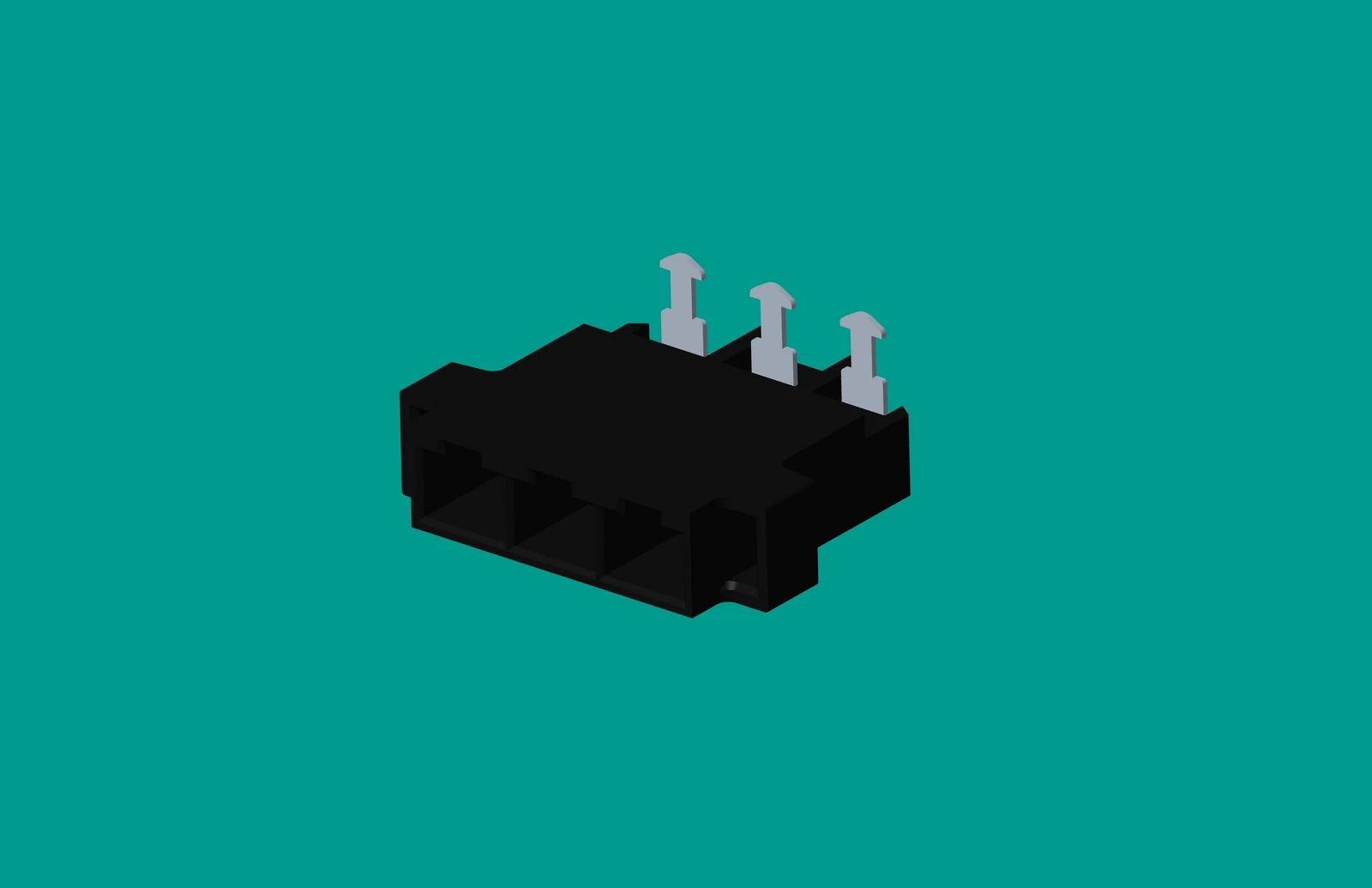
Separate six questions during review. First, does the mated housing lock engage as the drawing requires? Second, is each terminal retained in the housing in the stated position? Third, does the crimp or other termination match the approved wire and process definition? Fourth, is the harness supported so cable movement is not transferred directly into the connector? Fifth, was the assembly fully seated and keyed during build? Sixth, could an electrical intermittent be present even when the housing still appears locked?
These questions describe an inspection path, not a pass/fail threshold. IEC 60512-1 identifies locking mechanisms, contacts and terminations as possible subjects of detailed connector tests, but it does not supply one universal vibration severity or retention limit for every motor connection. Ask the supplier to identify the tested configuration and the governing detail specification rather than accepting a generic “vibration-proof” label.
| Observed symptom or review question |
Separate checks |
Evidence to request |
| Housing appears to unlock or move |
Lock engagement, keying, mating position, secondary lock state |
Assembly drawing, mating instruction, configuration-linked test record |
| Terminal backs out or sits low |
Terminal-retention feature, cavity position, insertion and extraction process |
Terminal and housing drawings, process record, inspection result |
| Continuity changes when the harness is moved |
Crimp condition, conductor support, strain path, contact interface and measurement setup |
Crimp/process documentation, wiring record, electrical diagnostic plan |
| Connector remains locked but fault is reported |
Intermittency measurement, contact condition, circuit loading and harness support |
Fault record, test setup, applicable limits and disposition |
Which routing and harness support conditions matter?
Record the harness route, support locations, bend presentation at the connector, enclosure, nearby structure and any service loop. These conditions define how the complete assembly is loaded. A laboratory record on a differently supported harness should be treated as evidence for that documented setup, not automatically for the buyer’s installation.
Keep electrical and environmental questions separate from mechanical retention. IEC 60512-5-2 is a current-temperature derating test method at elevated ambient temperature; it does not provide a universal current rating for every connector. IEC 60512-11-1 defines a climatic sequence when required by a detail specification, with temperature, humidity and, where required, low-pressure stresses. Neither source establishes a universal vibration life or chemical-resistance claim. Review IEC 60512-5-2 scope and IEC 60512-11-1 scope alongside the actual requirement.
How can a buyer structure the RFQ checklist?
The most useful RFQ names the connection, assembly boundary and evidence request in the same packet. Mark unknown fields as open rather than allowing a supplier or internal reviewer to fill them with assumptions. Ask for the document revision, tested configuration, method reference, measured observations and disposition; do not request a broad certification statement when the requirement is still undefined.
| Buyer checklist item |
Send with RFQ |
Purpose |
| Released connection |
Connector, mating, terminal, housing drawings, and revision |
Identifies the configuration |
| Assembly context |
Routing, support, enclosure, and installation layout |
States the connection boundary |
| Requirement question |
Applicable project requirement and sample objective |
Defines what needs confirmation |
| Evidence request |
Required records, configuration coverage, and change notice |
Makes the response reviewable |
How should test evidence and revision boundaries be controlled?
Keep a clear line between a documented evidence set and a new configuration. A changed housing, terminal, mating component, route, support point, enclosure or requirement may require the responsible program to reassess whether earlier records apply. A test method is not a product certification, and a sample result is not automatically a production release.
Use the public IPC revision table as a document-control aid when an IPC document is named; it lists document names and revisions, but it is not the workmanship limit for a motor connector. Check the IPC revision listing, then obtain the applicable controlled document and project acceptance criteria through the authorized quality process. For procurement, retain the configuration identification with the supplier response and ask for clarification when coverage is unclear.
How can ZUCH routes support a controlled motor-connector inquiry?
The ZUCH motor connectors route supports product-family discovery. It does not, by itself, confirm vibration retention, terminal behavior, test coverage, availability, certification or fit for a particular motor assembly.
For a bounded commercial discussion, use the sample request route with controlled drawings, routing and support information, sample objective, required records and revision expectations. The quick-connector versus permanent-crimp comparison offers a separate selection perspective; the products page and contact route provide further commercial entry points.
FAQ
Does a latch prove vibration suitability?
No. A latch is one mechanical input. Suitability still depends on the released mating pair, terminal and crimp definition, harness support, assembly condition and evidence that identifies the applicable test method and limits.
What is the difference between housing lock and terminal retention?
Housing lock controls mating engagement, while terminal retention controls the contact’s position in its cavity. Inspect and document both; a locked housing does not prove that every terminal is correctly seated.
Why should crimp evidence be included in a vibration review?
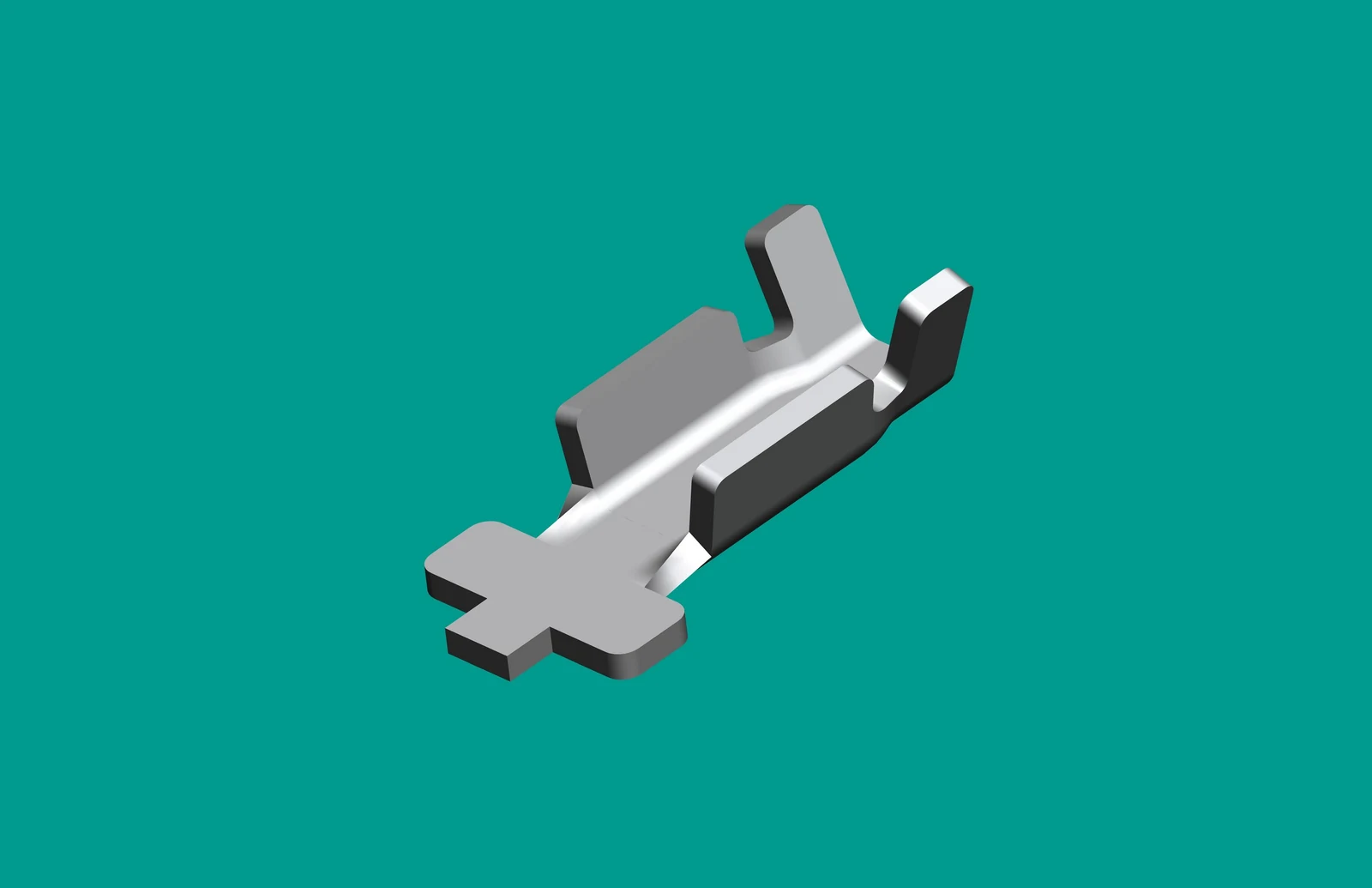
The termination joins the conductor to the contact and is part of the complete connection. Request the approved wire and process definition, inspection record and configuration coverage rather than treating the housing feature as evidence for the crimp.
Can a locked connector still show an electrical intermittent?
Yes, a locked appearance does not identify the source of an intermittent. Check contact condition, terminal position, crimp, conductor support, circuit loading and the measurement setup before assigning cause.
Which harness details belong in the RFQ?
Include route, support locations, connector presentation, enclosure or nearby structure, service loop and any controlled installation drawing. These details define the assembly boundary for the evidence request.
Does IEC 60512-1 certify a connector for vibration?
No. IEC 60512-1 is a generic tests-and-measurements specification. A detail product specification must identify the selected test, severity, limits and configuration; the method reference alone is not a universal vibration certification.
When should the checklist be revised?
Revise it when the connection, terminal or housing definition, route, support, enclosure, requirement, test method or evidence scope changes. Keep the earlier record linked to its original revision so coverage is not silently extended.
References
Conclusion
A defensible motor-connector vibration review starts with the complete released connection, then separates housing lock, terminal retention, crimp condition, harness support, assembly state and electrical intermittency. The buyer should identify the configuration and revision, describe the installed route, state the decision to be made, and request records tied to that exact boundary. IEC 60512 methods can organize testing, but a method reference or product image does not prove a universal vibration rating; the detail specification and project limits remain the verification boundary. Recheck applicability whenever a part, wire, route, support point or requirement changes. ZUCH’s motor-connector, sample and contact routes can support that controlled conversation when the drawings and evidence request travel with the inquiry.
 Zhejiang ZUCH Technology Co., Ltd.