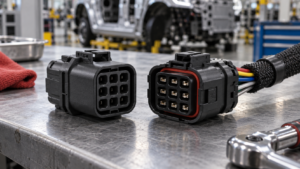
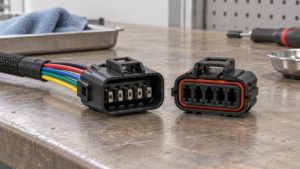
Motor Connector Vibration Retention: A Buyer Verification Checklist
Motor connector vibration retention should be verified against the complete released connection and the program’s evidence boundary, not inferred from a retention feature, a product image, or a generic connector label. A useful buyer checklist keeps the mating interface, terminal definition, routing, support, revision, and requested records together.
Contents
Part 1. Define the verification boundary
Begin with the program question. Is the buyer asking for evidence associated with a released assembly, a sample comparison, a potential alternate, or an early sourcing discussion? The answer determines what records are relevant and which unknowns must stay open.
Write down the controlled configuration before discussing retention. That record should identify the connector and mating component, their revision, the terminal and housing condition, and the boundaries of any requested evidence.
| Verification input |
Why it matters |
Controlled record |
| Connection definition |
Names the complete mating arrangement |
Connector, mating, terminal, and housing drawings |
| Requirement boundary |
States what the program needs reviewed |
Project requirement or test request |
| Evidence scope |
Prevents a feature from being treated as proof |
Requested report, record, or open-question list |
Part 2. Identify the complete connection under review
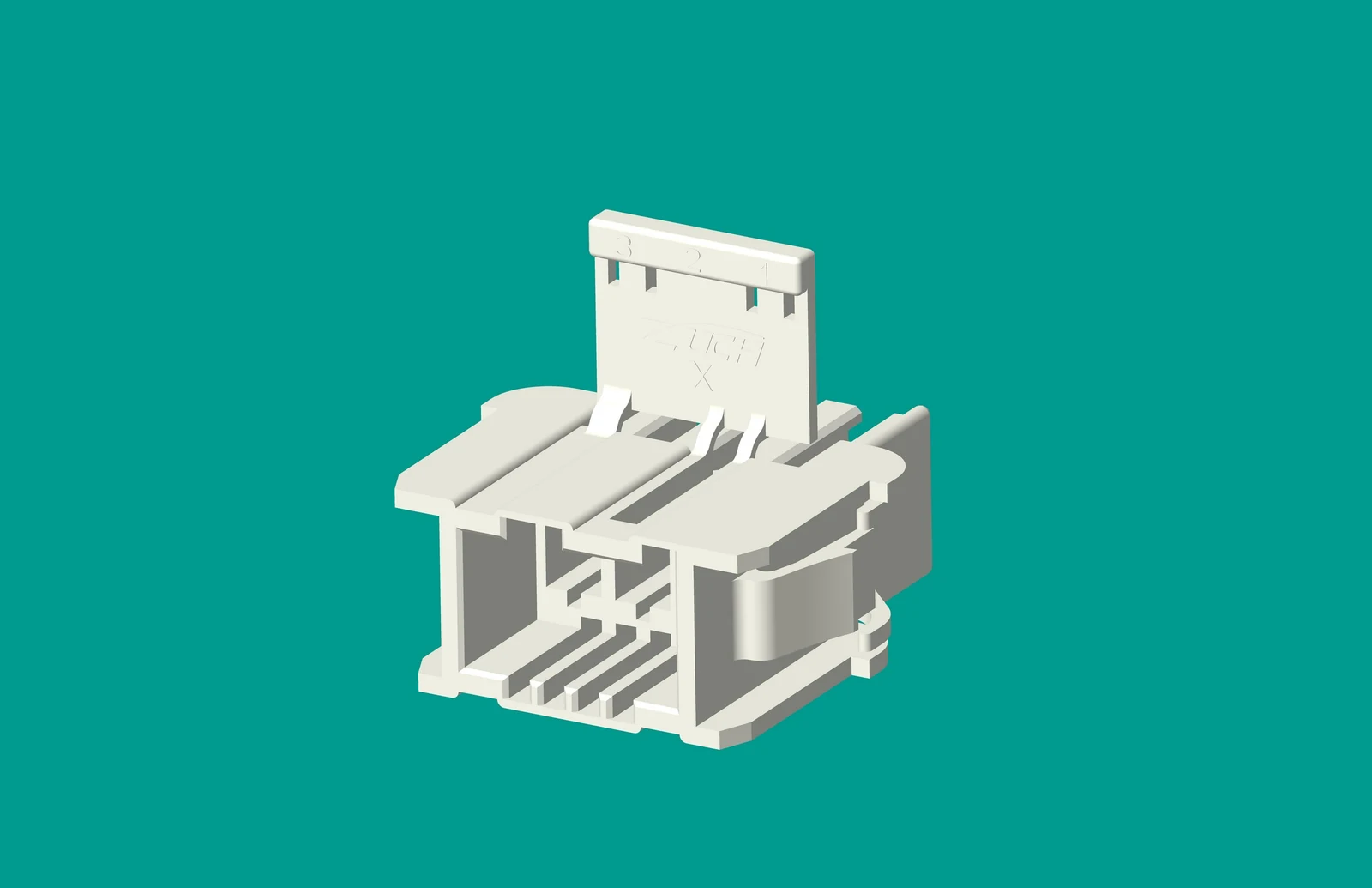
Retention cannot be separated cleanly from the parts that create the connection. Record the mating pair, keying, terminal population, housing state, terminal retention definition, and every controlled revision that belongs to the inquiry.
An alternate housing or terminal may look close enough for a photograph while still being a different configuration. Keep the buyer’s drawing and revision in the RFQ so a response can be tied to the actual connection under review. For a related technical reference, see Motor Connector Temperature Rise: Review Terminal and Housing Inputs. For a related technical reference, see Quick-Connectors for Serviceable Assemblies: Review Access and Replacement Inputs.
Important: A connector feature is not a substitute for program-specific requirements and controlled evaluation. Do not infer vibration suitability from a retention feature alone. Source: IEC standards.
Part 3. Check retention and terminal evidence together
Ask what the requested evidence identifies, which configuration it covers, and which conditions are included. A record that does not name the interface and revision should not be extended to an unlisted motor assembly or a changed terminal arrangement.
Review housing retention and terminal evidence in the same packet. This does not require the buyer to prescribe a test; it makes sure the commercial discussion identifies the complete connection instead of one visible feature.
Part 4. Include routing and support conditions
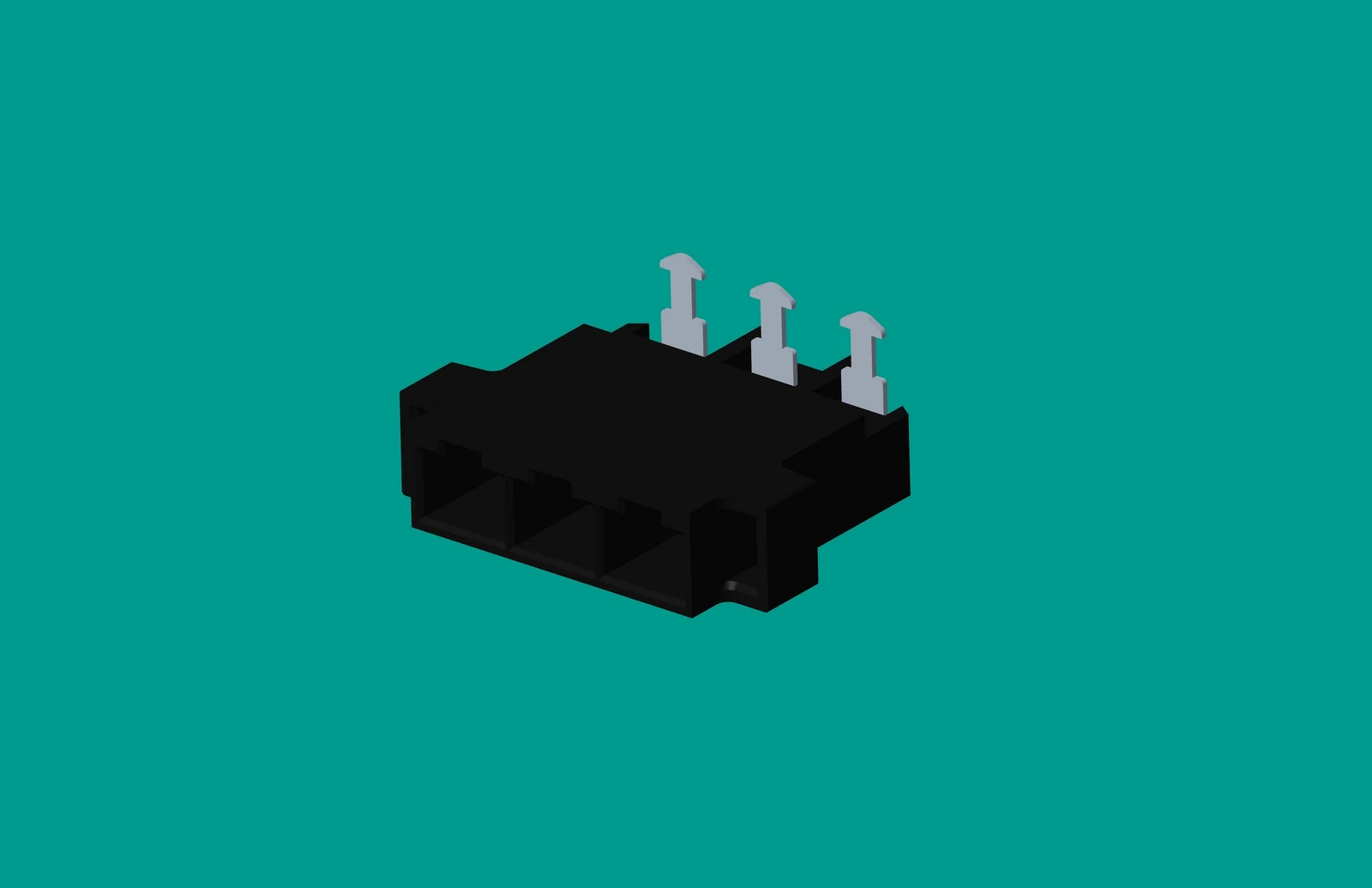
The harness route, support locations, presentation at the connector, enclosure, and nearby structure are part of the assembly context. Preserve those conditions when the question concerns vibration retention, because they may distinguish a loose component from the released arrangement.
Do not convert a general routing note into a performance claim. Its role in the checklist is to keep the buyer’s inquiry specific and to flag missing assembly information before evidence is compared.
Part 5. Build a buyer checklist for the RFQ
The most useful RFQ describes the identified connection, the relevant assembly boundary, and the evidence being requested. It leaves unknown fields visible rather than allowing them to be filled with assumptions.
| Buyer checklist item |
Send with RFQ |
Purpose |
| Released connection |
Connector, mating, terminal, housing drawings, and revision |
Identifies the configuration |
| Assembly context |
Routing, support, enclosure, and installation layout |
States the connection boundary |
| Requirement question |
Applicable project requirement and sample objective |
Defines what needs confirmation |
| Evidence request |
Required records, configuration coverage, and change notice |
Makes the response reviewable |
Part 6. Preserve the test and revision boundary
Keep a clear line between a documented evidence set and a new configuration. A changed housing, terminal, mating component, route, support point, enclosure, or requirement may require the responsible program to reassess whether earlier records apply.
For procurement, the practical control is simple: retain the configuration identification with the response, and ask for clarification when its coverage is unclear. That is more reliable than treating a product-family name as a validation statement.
Part 7. Use ZUCH routes for a controlled motor-connector inquiry
The ZUCH motor connectors route supports product-family discovery. It does not confirm vibration retention, terminal behavior, test coverage, availability, certification, or fit for a particular motor assembly.
For a bounded commercial discussion, use the sample request route with controlled drawings, routing and support information, sample objective, required records, and revision expectations. The quick-connector versus permanent-crimp comparison offers a separate selection perspective; the products page and contact route provide further commercial entry points.
FAQ
Does a latch prove vibration suitability?
No. A latch or other visible feature does not replace the released configuration, program requirements, and evidence that define the applicable review.
What should identify the connection?
Identify the connector, mating part, terminals, housing, keying, relevant revision, and any controlled condition that belongs to the inquiry.
Why include terminals and routing?
They help define the complete connection and assembly boundary, so evidence is not applied to a different configuration by assumption.
Can a product image replace test evidence?
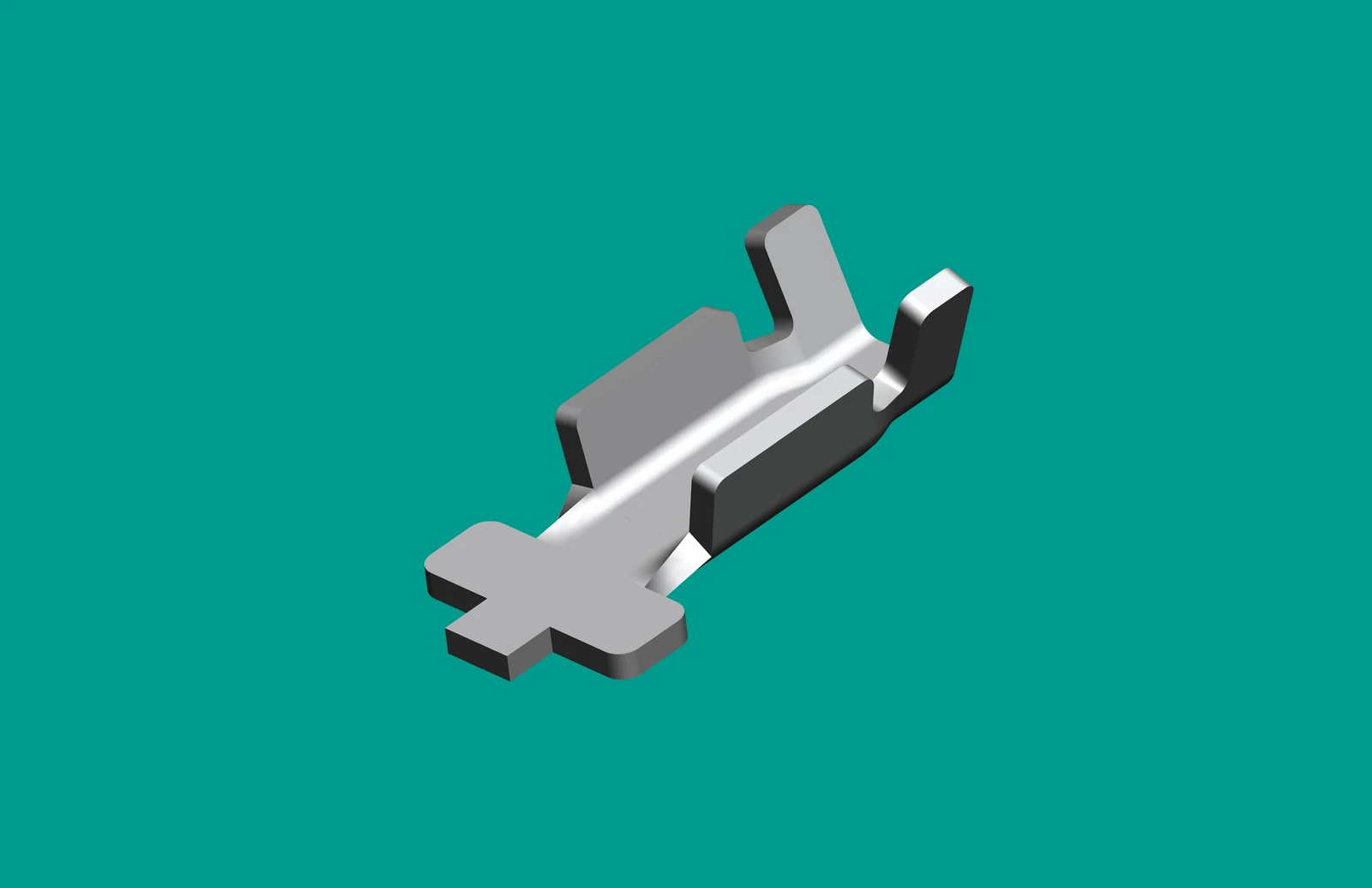
No. An image can support product-family discovery but cannot state test coverage, retention performance, or suitability for a motor assembly.
What should a supplier record identify?
It should identify the configuration, revision, evidence boundary, conditions it covers, open questions, and any relevant change-control expectation.
When does the checklist need revision?
Update it when the connection, terminal or housing definition, route, support, enclosure, requirement, or evidence scope changes.
What belongs in a motor connector vibration-retention RFQ?
Include controlled connector, mating, terminal, and housing drawings; revision; routing and support definition; the program question; sample objective; required records; and change-control expectations.
References
- IEC standards: context for program-specific requirements and controlled evidence.
- IPC: context for controlled interconnection documentation.
 Zhejiang ZUCH Technology Co., Ltd.