RAST Connector Termination: Compare IDC and Crimp Interfaces by System
A purchasing team comparing two RAST connector proposals needs more than matching housing photographs and the labels “IDC” and “crimp.” The proposals may refer to different conductor constructions, assembly tools, acceptance criteria, and repair procedures even when the intended mating interface appears similar. Treating them as a drop-in substitution can leave production without the records needed to release the assembly, or service teams without an approved replacement route. The useful comparison therefore starts with the actual connector and wire definitions. This guide shows what to request, how to compare manufacturing and service constraints, and which evidence must be reconsidered before a termination change is approved.
The short answer is that IDC and crimp are system-specific termination choices, not interchangeable parts identified by appearance. Select either route only when the connector supplier’s application documentation covers the proposed wire, contact, housing, tooling, and assembly process. IEC 60512-1:2018 provides a framework for connector tests and measurements, but the detail product specification determines the tests, severity, and permissible limits. A proposal that fits the mating interface still needs a documented termination and verification basis. Start by obtaining the released drawings and application instructions, then compare the production controls and service boundary before requesting samples.
Contents
What defines the complete RAST termination system?
The starting point is the released connector, conductor, termination definition, and intended assembly route. A termination label by itself does not define wire construction, tooling, connector geometry, inspection conditions, or the evidence needed for the finished assembly.
Keep two reviews distinct: whether the connector mates with the intended interface, and whether the proposed wire termination is approved for the intended assembly. A matching housing outline does not establish the second. Record contact and housing references together with the wire specification and applicable assembly instruction; this gives engineering and purchasing a common basis for assessing samples and alternate proposals.
| System input |
Why it matters |
Controlled record |
| Connector interface |
Identifies the defined termination relationship |
Connector drawing and revision |
| Conductor definition |
Connects the method to the actual wire system |
Wire construction and controlled requirement |
| Assembly context |
Shows relevant manufacturing and access conditions |
Assembly layout, route, and inspection plan |
The public description of IEC 60512-1:2018 includes connector contacts and terminations within its testing framework. It also states that detail product specifications prescribe the tests, severity, performance limits, and any procedural deviations. Naming the series therefore does not establish a pass criterion or certify either termination route.
How should IDC and crimp proposals be compared?
Compare the documented configurations, not a general claim that one method is faster, stronger, or cheaper. The decision table below is a purchasing and engineering checklist, not a universal specification for IDC or crimp. Each answer must come from the proposed system’s application documents and the program’s release requirements.
| Decision factor |
IDC proposal: ask for |
Crimp proposal: ask for |
Decision gate |
| Conductor construction |
The permitted conductor and insulation definition for the exact IDC contact |
The permitted wire construction and preparation requirements for the exact crimp contact |
The actual wire is covered by the applicable documentation |
| Process and tooling |
Approved termination equipment, fixtures, setup, and operating instructions |
Approved preparation and crimp tooling, setup controls, and contact assembly instructions |
Production can reproduce the documented process and retain required records |
| Inspection |
System-specific acceptance criteria and required checks after termination |
System-specific preparation, termination, and completed-assembly acceptance criteria |
The inspection plan cites the controlling documents and revisions |
| Repairability |
Whether retermination is permitted or a replacement assembly is required |
Whether contact replacement is permitted and which tools and checks are required |
The approved repair route is practical at the intended service location |
| Change control |
Notification and review of changes to contact, wire, equipment, or process |
Notification and review of changes to contact, wire, tooling, or process |
Engineering decides whether previous verification remains applicable |
Compare total process cost only after those gates are resolved. Include equipment setup, operator training, inspection effort, rejected assemblies, replacement parts, and approved service work in the quotation comparison. Without process data from the actual assembly route, an assumed cycle-time or scrap advantage is not a defensible saving.
For related interface decisions, see Quick-Connector vs Permanent Crimp: Compare the Complete Interface System and Rectangular Connector Locking: Compare Lever, Screw, and Clip Interfaces.
Important: A completed-looking sample is not proof that the connector, conductor, tooling, inspection plan, and application are approved together. Use the detail specification and the required test records to establish that basis; IEC 60512-1:2018 explains the relationship between generic test methods and product-specific requirements.
Which conductor and interface details must be confirmed?
Review conductor construction, specified wire dimensions, insulation definition, contact and housing references, mating conditions, and any specified strain-relief or routing features. Do not carry an approval from one wire to another solely because a nominal size or connector family name matches. Ask the supplier to identify the exact permitted combination and the document that controls it.
Retain the drawing revision with the comparison record. This prevents a response for a different wire or connector configuration from being mistaken for a like-for-like alternative. If the proposed combination is outside the documented range, treat it as an unresolved engineering question rather than accepting it on visual similarity.
Electrical loading needs a separate evidence review. IEC 60512-5-2:2002, Test 5b describes a current-temperature derating method for electromechanical components at elevated ambient temperature. Its public scope does not assign a current rating to a RAST connector or show that IDC and crimp carry the same current. Request results applicable to the proposed configuration and operating conditions when the program requires this evaluation.
How do inspection and repair requirements affect the choice?
Assembly access, routing, cable support, inspection points, and the intended service boundary can affect a termination-system review. Consider the installed assembly rather than an isolated terminal sample. An inspection that is feasible before installation may require different access or documentation after the harness is installed; identify the required check at each relevant production stage.
The public IPC document revision table identifies IPC/WHMA-A-620, Requirements and Acceptability of Electronic Wire Harnesses and Cables. The listing can help identify a document and revision for a contractual review, but it does not disclose the workmanship limits. Where that standard is invoked, obtain the required edition and establish how it applies alongside the connector supplier’s instructions; do not invent acceptance criteria from the title.
Repairability is also system-specific. Distinguish disconnecting the mating connector from repairing a wire termination. Ask whether the approved service action is contact replacement, retermination, or harness replacement, and which parts, tools, and post-repair checks it requires. Neither the IDC label nor the crimp label establishes that a termination can be reused or repaired in the field.
For environmental verification, IEC 60512-11-1:2019, Test 11a covers a climatic sequence involving temperature, humidity, and, where required, low air pressure when invoked by a detail product specification. That scope supports asking for a defined environmental test basis. It does not establish a service-life prediction, chemical-resistance claim, or unrestricted suitability for every appliance environment.
What evidence belongs in an IDC versus crimp RFQ?
Use a controlled package to request a comparable response. It should state the actual connector and conductor system, not merely ask for an “IDC” or “crimp” option.
| Inquiry item |
Purpose |
Send with RFQ |
| Connector and conductor definition |
Establishes the system being compared |
Current drawings, revision, and wire information |
| Assembly and access conditions |
Identifies installation and inspection constraints |
Routing, support, clearance, and service notes |
| Evidence request |
States program expectations |
Sample objective, requested records, and evaluation needs |
| Change control |
Preserves the approved comparison basis |
Revision, notification, and traceability expectations |
Ask the response to separate confirmed coverage, proposed evaluation, and open questions. A sample request should identify its purpose, such as interface review or process assessment, so that a successful sample fit is not later described as full application validation. Require any test report to identify the tested configuration, controlling requirements, conditions, and results rather than providing only a standard number.
What must be reviewed before changing termination methods?
A change to connector geometry, conductor, termination definition, assembly route, tool, inspection condition, or service access can change the original review. Record the difference and route it through the responsible engineering process before relying on prior evidence.
For an IDC-to-crimp proposal, compare the released and proposed bills of material, wire definitions, application instructions, tooling, inspection plans, and service procedures. Then identify which existing test results still represent the proposed assembly and which questions require further evaluation. Current-temperature and climatic evidence deserve explicit review when relevant; the test scopes in IEC 60512-5-2 and IEC 60512-11-1 do not make results transferable between different configurations.
Approval should leave a traceable record of the accepted configuration, any changed requirements, and the evidence used. This prevents a sourcing alternative from silently becoming a production substitution and allows later wire, contact, or process changes to be assessed against the correct baseline.
How can a ZUCH RAST connector inquiry be made specific?
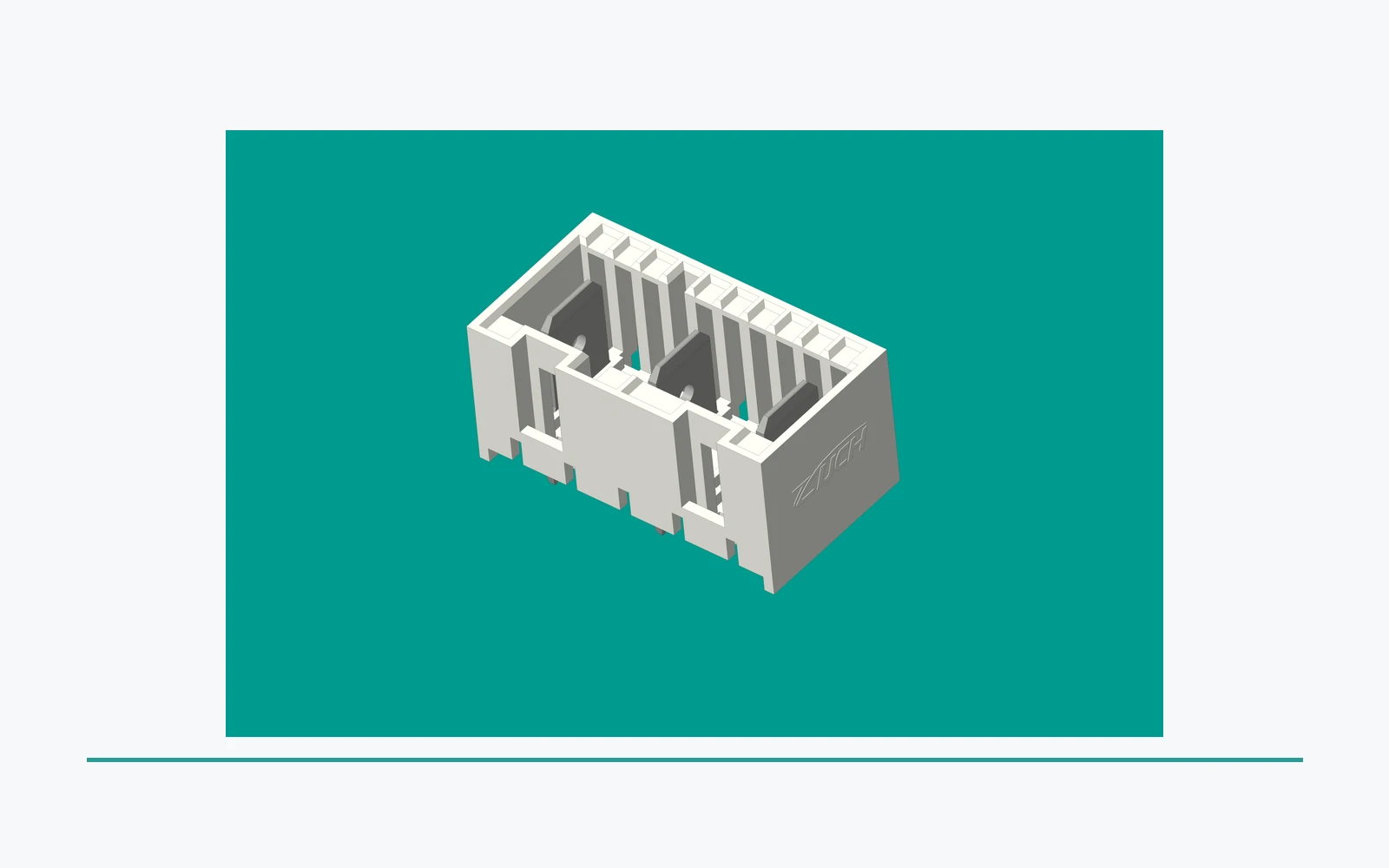
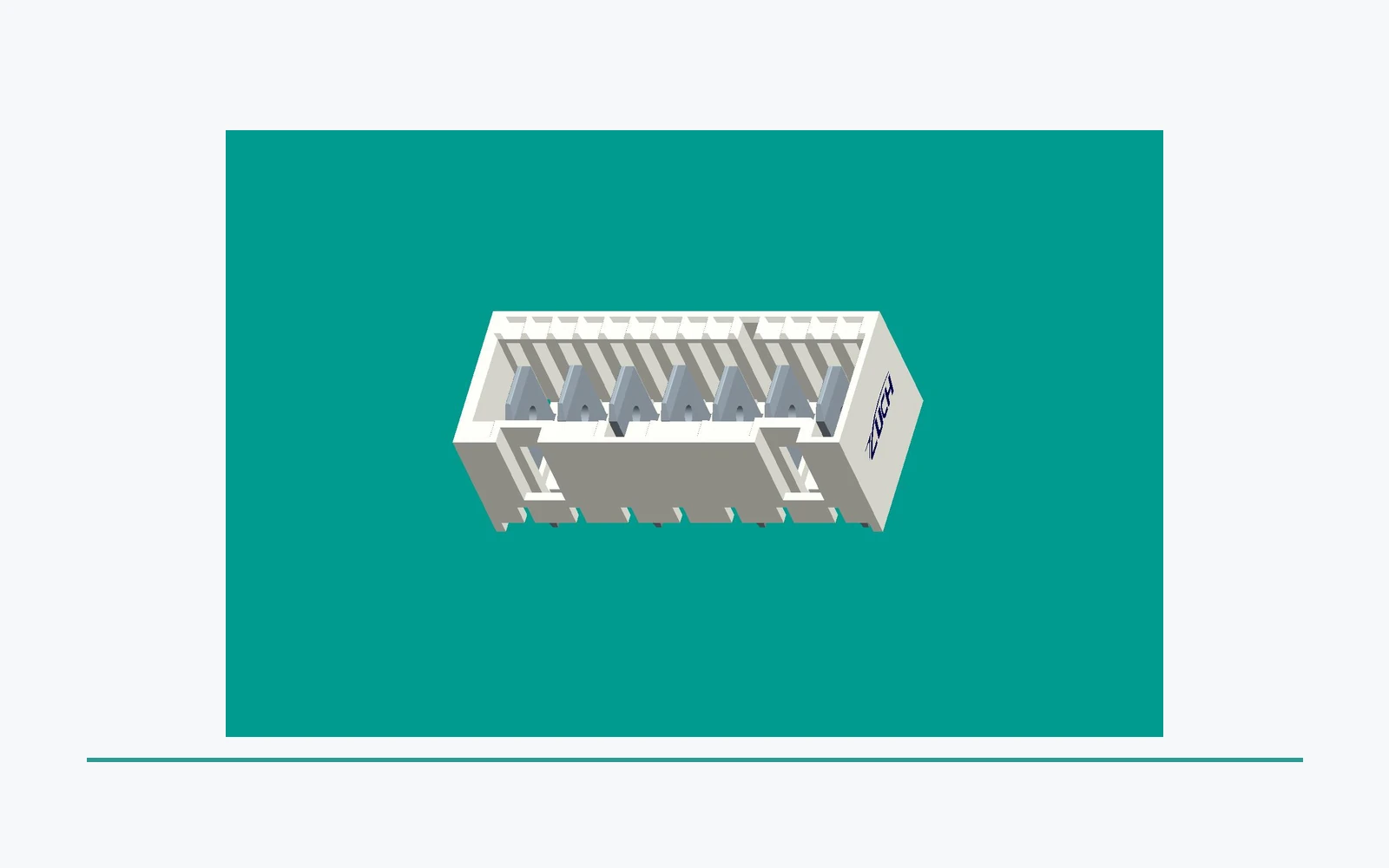
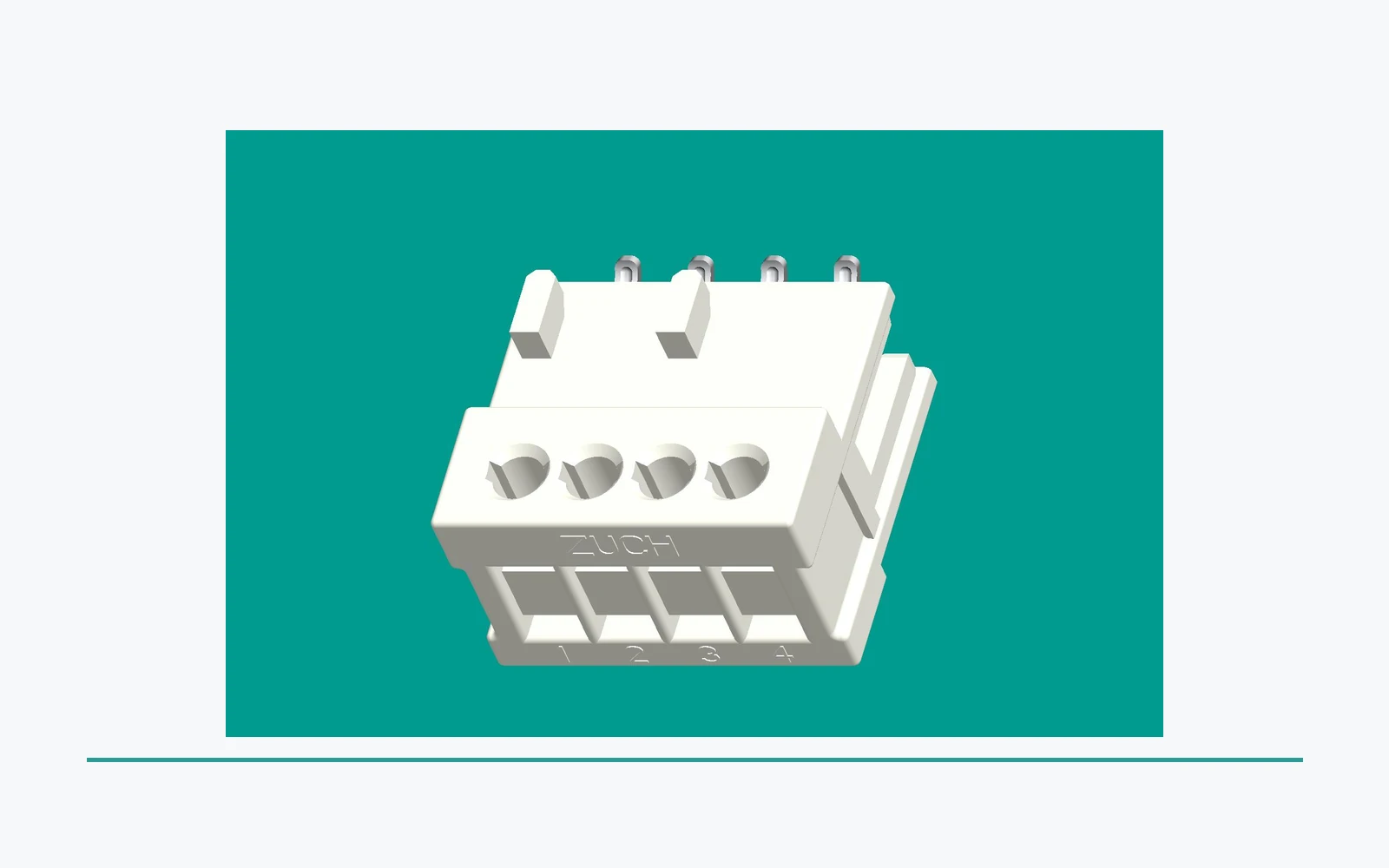
The ZUCH RAST connector family page is a commercial discovery input for a termination-system discussion. It does not confirm an IDC or crimp interface, tooling route, validation, availability, or application approval.
For a termination-system discussion, use the contact page to provide connector and conductor drawings, the termination definition, assembly and access constraints, sample objective, requested evidence, records, and change-control needs. The RAST appliance PCB layout guide covers the related board and routing review.
FAQ
When is IDC appropriate for a RAST interface?
IDC is a candidate when the exact contact, housing, wire, and termination process are covered by the applicable system documentation and meet the program’s assembly and verification requirements. The RAST family name alone is not enough to establish suitability. Confirm the permitted combination and required equipment before selecting it.
What evidence is needed before changing from IDC to crimp?
Obtain a configuration comparison covering contacts, housing, conductor, tooling, assembly instructions, inspection, and service procedures. Engineering must decide whether existing verification represents the proposed configuration or further evaluation is needed. IEC 60512-1 provides the test framework; the applicable detail specification supplies the acceptance basis.
Is IDC always faster than crimp?
No universal production advantage is established here. Compare the actual process, including preparation, setup, inspection, rejected assemblies, and approved rework. A method name does not supply measured cycle time or total cost.
Can IDC and crimp parts be treated as interchangeable?
Only an approved, documented alternative can be used as such. Similar housing appearance or apparent mating fit does not establish conductor compatibility, process approval, or equivalent application performance. Review both the mating interface and the termination system.
Why does conductor construction matter?
The documented termination combination refers to a specified wire, not merely a generic size description. Compare the actual conductor and insulation definition against the contact’s application requirements. A wire change should be reviewed rather than assumed to remain covered by previous approval.
Does a visual termination check prove suitability?
No. Visual inspection can be part of an approved inspection plan, but it does not replace the complete requirements and verification record. The public IPC revision listing identifies relevant workmanship documents without providing their acceptance limits.
Can either termination method be repaired in the field?
That depends on the specific system’s approved service procedure. Ask whether contact replacement, retermination, or harness replacement is allowed and what tools and post-repair checks are required. Disconnecting a mating connector does not itself authorize repairing or reusing its wire termination.
Do IDC and crimp have the same current rating?
The labels alone do not establish a rating or an equivalence. IEC 60512-5-2 addresses current-temperature derating at elevated ambient, so any relevant comparison needs evidence for the actual proposed assemblies and conditions. No universal RAST current value is supplied by that public test-method description.
What belongs in an IDC versus crimp RFQ?
Provide controlled connector and wire drawings, the termination definition, assembly and access limits, sample objective, requested evidence and records, and change-control expectations. Ask the supplier to identify open compatibility or process questions explicitly. Keep sample-fit acceptance separate from application release.
References
Conclusion
Choose a RAST termination by the documented system, not by the appearance of a housing or the promise attached to IDC or crimp. First establish the mating interface and the exact contact, conductor, and insulation combination. Then confirm the approved tooling, assembly controls, inspection requirements, and practical service route. Compare process cost only after those requirements are clear, and review relevant electrical and environmental evidence before approving an alternative. A standard’s test-method description does not certify the proposed assembly, and previous results cannot be assumed to cover a changed configuration. Keep the accepted documents and revisions traceable so that later sourcing changes have a clear review basis. ZUCH’s existing RAST family and contact routes provide a place to submit that defined inquiry, with product-specific coverage and evidence requested rather than presumed.
 Zhejiang ZUCH Technology Co., Ltd.