Automotive Connectors and Terminals
The electrical connections within the modern automobile’s seamless processes are made possible through an extensive array of electrical connection points. High-quality connectors and terminals are very important in providing power and signal transfer between a vehicle’s electrical components, such as lighting, ignition, and the many other electronic advances available today (for example: safety technology). If you are a seasoned automotive professional or someone who loves cars, learning about the components will be beneficial to you when maintaining, repairing, or manufacturing vehicles. This article provides insight into why the various types of automotive connecters are important; how to find the best automotive connecters and terminals; and information related to automotive electrical systems as they affect you. Please read further if you are experiencing any issues with automotive electrical systems.
For a related technical topic, see How to Select the Best Automotive Sensor Connector for Your Car?.
Separate the Terminal From the Connector Housing
Every automotive electrical system has its own unique connectors and terminals. A properly wired automotive connector or terminal provides a safe and reliable means for sending electrical power and signals from one part of the vehicle to another. The following gives you a general overview:
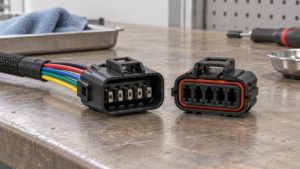
Automotive Electrical Connectors: Connectors are the devices that connect different cables and wire harnesses together by joining them. They also contain the terminals and provide a continuous path of electricity to power your car’s electrical systems.
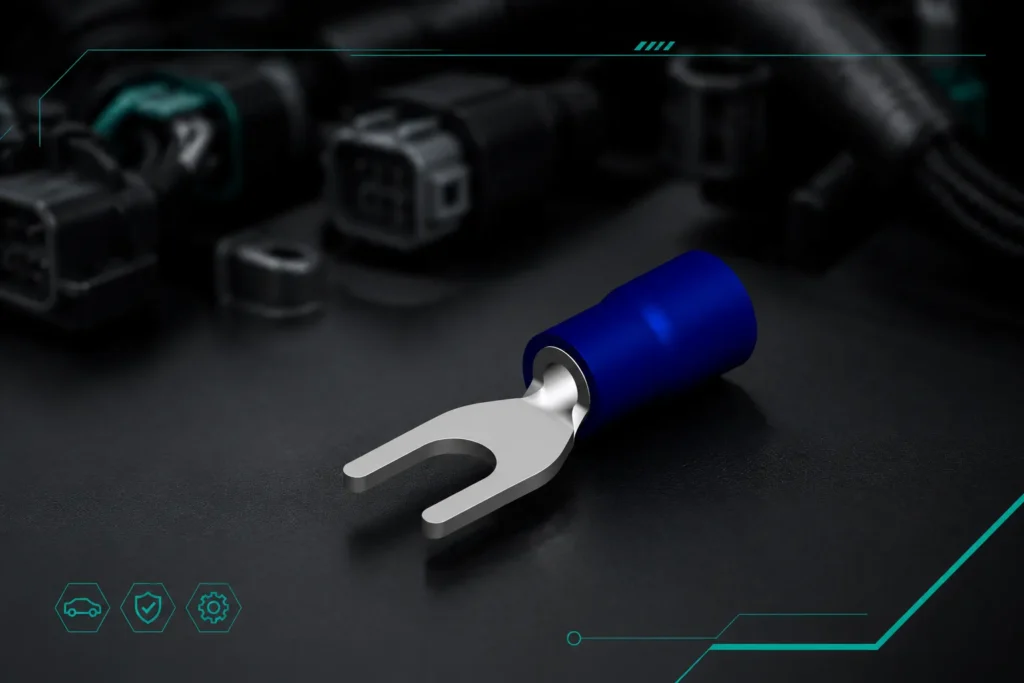
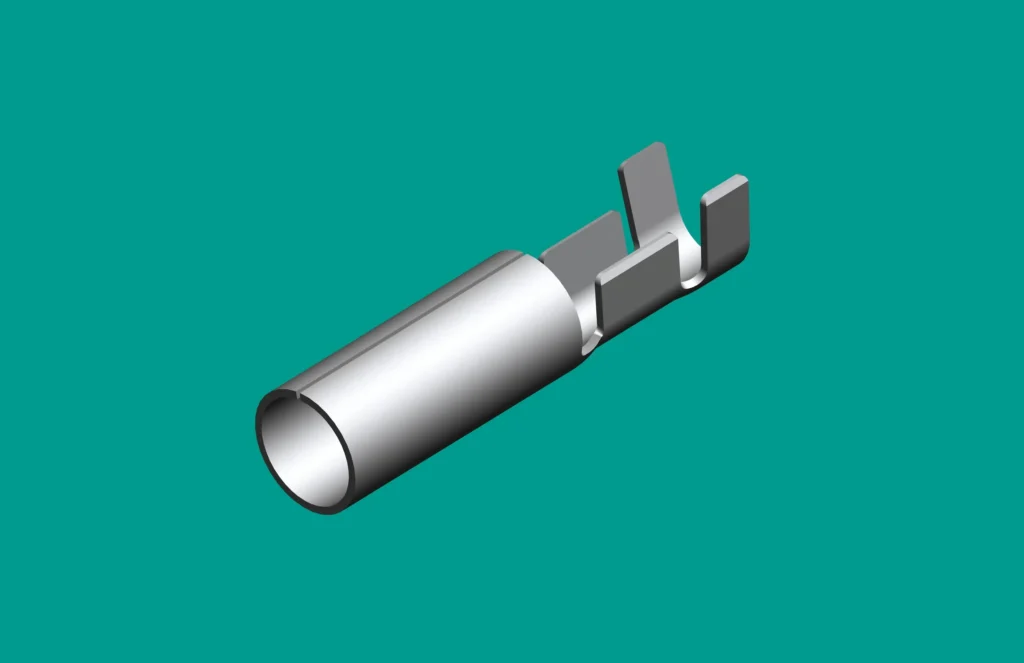
Automotive Electrical Terminals – These terminals are the points of conductance that provide the ability to connect wires to connectors, batteries, and other electrical components; they are usually crimped or soldered in place to make sure that they stay connected.
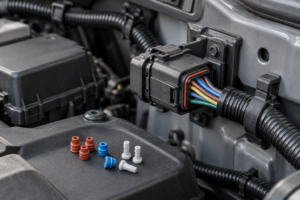
Designed for automotive conditions such as vibrations, heat, moisture, dust; high quality automotive terminals/connectors improve reliability & performance; minimize risk of failure in vehicle electrical system.
Why the Interface Matters to Vehicle Reliability
Connectors and terminals are the foundational components of any electrical circuit. Without them, no electronic devices would function together in a vehicle. Connectors and terminals provide the required consistent energy flow for a wide variety of electrical systems including: basic lighting (regardless of headlight type), high-tech audio/visual systems, or complex devices designed to protect human life (i.e., anti-lock brakes). If a connector or terminal fails, there are many potential consequences, including: shorts, malfunctions, and/ or fires, depending on the severity of the failure.
The need for more sophisticated connectors has risen due to the advancements in electric vehicles (EVs), autonomous drive systems and the development of automotive technologies. OEM manufacturers are focusing on providing lightweight, compact and robust OEM automotive wiring connectors to satisfy performance requirements while still meeting safety standards.
The Evidence to Check Before Selecting a Mating System
Properly selecting a connector and terminal is critical for the optimum functioning of a device; doing so requires consideration of many different aspects, including:
The best conductors perform better in terms of corrosion resistance because they use brass, copper, or tin-plated copper for making their connections.
Durability comes from the materials used to manufacture the connector housings; make sure they are made with both heat and impact resistant materials, so they can handle rugged environments.
Selecting connectors and terminals that are appropriate based on their current and voltage ratings for your specific electrical system.
Using sealed and waterproof connectors will protect against damage from exposure when using undercarriage lighting.
Various applications have different ‘system’ requirements including: systems such as engine control systems, lighting systems etc will require differential multi-pin connectors for example to accommodate multiple wires on most of today’s vehicles, which contain increased levels of system complexity than ever before.
Choose the Connector Family by Application
Different types of connectors have been developed for various automotive applications; some frequently used connector styles are:
Sealed Connectors’ primary purpose is to protect against moisture, dirt, and dust. They work well in very harsh conditions, and also for external applications.
Multi-pin connector: These modern-day connectors help connect a lot of wires at once to create an electrical system in many different types of vehicles including cars, trucks, buses, and heavy equipment.
These connectors fulfill the purpose of connecting a battery to a vehicle’s electrical system, with the emphasis on ensuring safe connections and long-lasting performance.
For applications needing tool-less engine assembly/disassembly quickly, these quick-connect connectors work well.
Ensuring proper functioning of automotive systems can greatly depend on the proper application of the connector for a particular use. Multi-pin connectors are a crucial part for a wiring harness assembly, while waterproof connectors provide added longevity for systems located outside of the vehicle.
Why a Terminal and a Connector Are Not the Same Part
The answer is NO; they are NOT the same. Terminals and Connectors ARE related, but designed to achieve different things.
The places where wires connect, or the points of termination, are called terminals. Generally, they are manufactured from materials that allow for the best transfer of electrical energy; these materials include copper and brass.
Connectors are a bigger assembly containing terminals and holding them together. A connector is a housing that provides a secure and reliable means of connecting various systems or components to one another.
Terminals form the foundation for an electrical connection while connectors function to connect those foundations together. Although both of these items are often used together as part of any system, they perform different roles and therefore are different parts of that overall system.
Maintenance Checks That Expose Interface Problems
Routine inspection and maintenance of your auto terminals and connectors will increase the lifespan of these components. The following suggestions will help you accomplish this:
– Use a contact cleaner to remove dust or debris that may block connections.
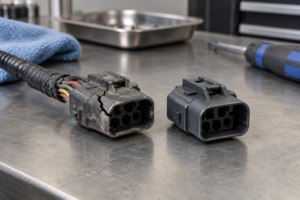
– Replace worn-out or damaged connectors and terminals immediately to prevent further harm.
– Check for proper insulation, as exposed wires can lead to short circuits.
– Ensure connectors are firmly seated to avoid loose or intermittent connections.
If you take these preventative actions, not only will they protect you from being forced to incur expensive repairs but at the same time assure that your vehicles will run at maximum effectiveness.
Questions Buyers Ask About Automotive Connectors and Terminals
1. What happens if automotive terminals or connectors fail?
Electrical problems resulting from bad connectors / terminal connections may create intermittent or complete electrical problems such as flickering lights, engine problems, or complete systems failures. In more serious instances, connector problems might also threaten the safety of the vehicle.
2. How can I prevent corrosion on automotive terminals and connectors?
Using dielectric grease on electrical connections provides moisture and corrosion protection for electrical connections. Periodic inspection and cleaning with contact cleaner is also recommended for maintaining good condition of electrical connections.
3. Can I replace broken connectors with a different type?
You should not do this unless you have confirmed that the new connectors will be compatible with the electrical specifications and physical plug interface of your vehicle. Always check the vehicle owner’s manual or consult with a qualified technician before making changes.
4. How do I identify the right size of terminal or connector?
Terminals’ or connectors’ sizes are determined by wire size (gage), current & (rated) voltage, as well as what Terminal/Connector will be used for in your particular application. To find what will work best for your application; look at manufacturers specs & charts for guidance on selecting a terminal/connector size.
5. Can damaged connectors affect vehicle sensors?
Indeed, damaged connectors can interfere with the transmission of data between devices and the control unit due to damaged connectors, resulting in either an incorrect barcode scan or no barcode scan at all.
6. Are OEM automotive wiring connectors better than aftermarket solutions?
OEM Connectors are designed for use in specific vehicle Makes and Models. This ensures that you get the best performance and compatibility from your OEM Connector. You can use an after-market connector, but be careful because the quality and fit may vary.
Understanding the role of automotive connectors and terminals is essential for ensuring the reliability, safety, and functionality of your vehicle’s electrical systems. Whether you’re upgrading wiring harnesses, repairing worn-out components, or simply ensuring routine maintenance, opting for high-quality connectors and terminals is crucial. By choosing the right components and practicing proper care, you can significantly extend the lifespan of your vehicle’s electrical systems and improve its overall performance. For professionals or enthusiasts, knowledge is power—use this guide to make informed decisions and keep your vehicle running smoothly.
How do I match a replacement terminal to the existing connector housing?
Match the housing family, cavity geometry, terminal size, locking feature, wire range and seal system using the supplier drawing or vehicle repair data. Similar-looking terminals can have different retention or plating and may not lock correctly in the original housing.
When should I choose a sealed automotive connector instead of an open one?
Choose the sealed configuration when the interface or cable entry is exposed to the documented moisture, dust, splash, chemicals or service conditions. If the connector sits inside a protected enclosure, an open configuration may simplify inspection and rework; decide from the complete installation, not the name alone.
References
 Zhejiang ZUCH Technology Co., Ltd.