Zhejiang ZUCH Technology Co., Ltd.

When a harness engineer in Detroit encountered intermittent power loss during an end-of-line check, she replaced a visibly damaged two-way plug and released the vehicle for a repeat test. The fault returned within minutes: a newly crimped terminal backed out as the pair was mated. The reversal was instructive—the connector was not simply defective; its housing keying, terminal retention feature, wire range, and seal arrangement had not been specified as one system.
Summary: Standard rectangular connectors are selected as matched systems, not by cavity count or appearance alone. IEC 61984 addresses safety requirements and tests for connectors, while IEC 60512 provides test and measurement methods; together they reinforce a practical rule: confirm fit, keying, terminal family, seals, materials, wire range, and validation before approving a replacement. For automotive programs, start with the OEM drawing or approved cross-reference, then verify the mated pair on representative harness samples. For a related technical reference, see Rectangular Connector Types. For a related technical reference, see How to Maintain Industrial Rectangular Connectors.
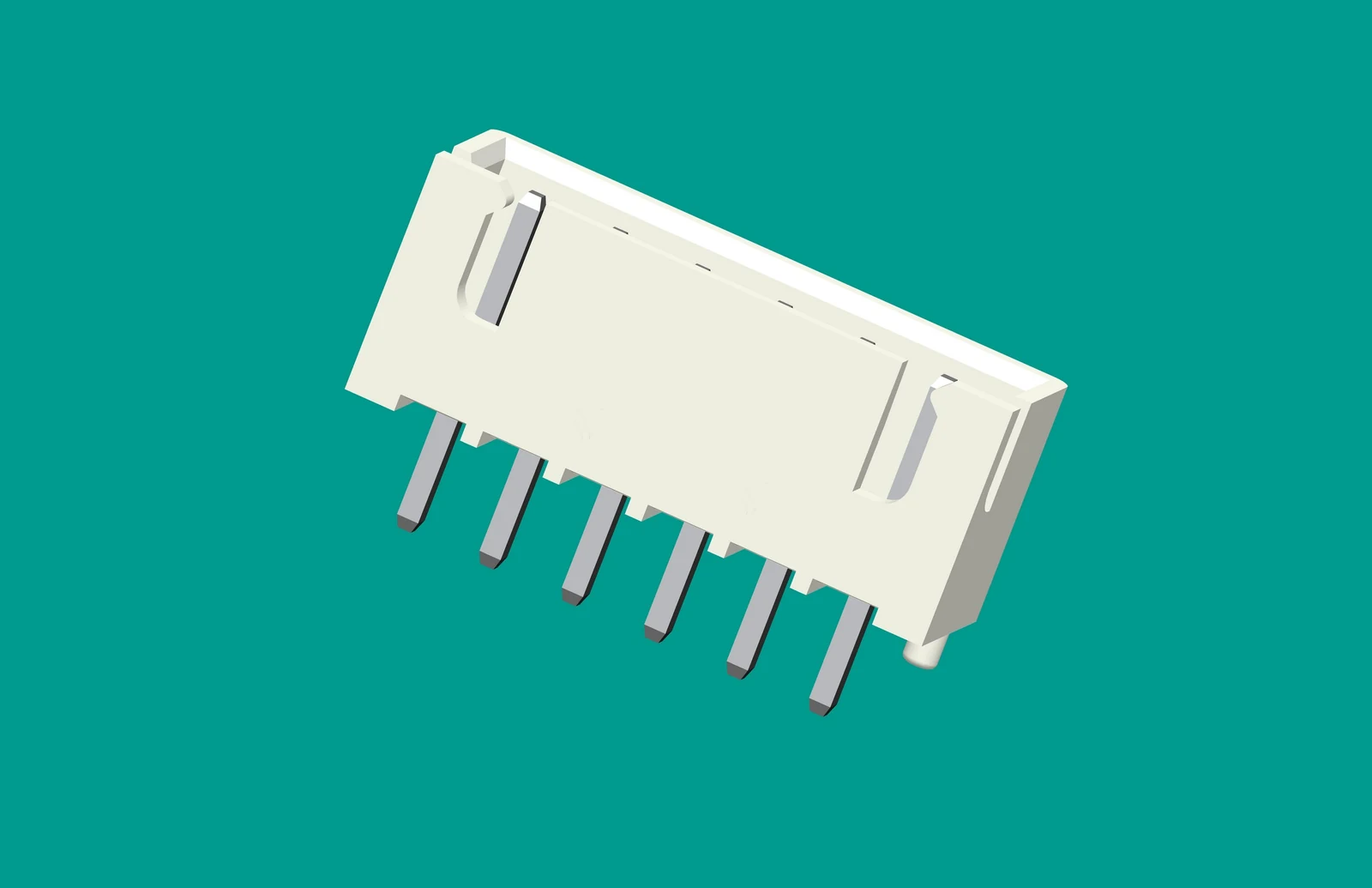
In vehicle electrical distribution, a rectangular connector is normally a multi-position interface that locates and retains terminals in a defined geometry. It may serve a sensor, lamp, actuator, body harness, motor, or compressor circuit. Procurement teams often use the term standard automotive connectors for common, repeatable formats; that convenience can obscure the fact that two visually similar parts can be mechanically or electrically incompatible.
How a rectangular connector becomes a reliable harness interface
Housing geometry controls the first fit decision
A housing establishes cavity count, pitch, polarization, primary latch geometry, and often a connector-position-assurance or terminal-position-assurance feature. Keying prevents unintended mating between adjacent circuits, but only when both halves use the same key code. A practical incoming check compares cavities, key features, latch direction, mating face, and terminal access side against the approved drawing.
The terminal system carries the electrical and retention requirements
Male tabs, female receptacles, blades, sockets, and crimp contacts are designed around a particular interface and locking lance. The nominal conductor cross-section is only one input: insulation diameter, plating, crimp barrel design, and terminal retention window also matter. IEC 60512 includes methods used to evaluate connector characteristics, including contact resistance, mechanical operation, and environmental performance; a buyer should request the relevant test evidence rather than infer performance from a familiar outline.
Seals and secondary locks are functional parts, not accessories
For a sealed assembly, wire seals, interface seals, cavity plugs, and secondary locks must suit the exact housing and terminal design. A seal intended for one insulation diameter can be damaged or fail to seal on another. Assembly validation commonly includes visual inspection, crimp-height control, terminal retention checking, and a mated-housing check before any program-specific environmental testing. Do not assume interchangeability when a connector has the same number of positions.
Sealed and unsealed designs solve different exposure problems
Unsealed connectors can be appropriate inside protected cabins, modules, or enclosures where the system design limits water and contaminant exposure. Sealed connectors add interface and wire-entry protection for locations exposed to splash, wash, dust, salt, or temperature cycling. Neither format is automatically better; the correct choice follows the installation environment and the vehicle manufacturer’s specification.
For sealed applications, the mating process deserves explicit work instructions. A partially seated terminal may look acceptable from the wire side yet prevent a secondary lock from closing; an omitted cavity plug can leave an unused path open. Mating-system validation reduces avoidable rework before pilot builds and service release.
Common automotive connector families and their limits
Common families include multiway rectangular housing-and-terminal systems, blade and receptacle connections, ring and spade terminals, bullet-style single-wire connections, and motor or compressor connector assemblies. FASTON-style terminals and RAST 2.5 or RAST 5.0 arrangements can appear in established electrical architectures, but family names alone are not complete specifications. The required interface, material, retention design, and wire range remain application-specific.
Standard automotive electrical connectors are often selected for serviceability as well as assembly speed. Even so, an OEM replacement check must compare the released part number, revision, circuit function, mating half, terminal part number, cavity plugs, seals, and applicable repair procedure. A generic housing can introduce a clocking, retention, or material mismatch that appears only during assembly or in service.
Comparison: where selection errors create total cost
| Selection dimension | Matched connector system | Appearance-based substitute | Commercial consequence |
|---|---|---|---|
| Compatibility | Housing, terminal, keying, and seal are verified together | Position count or outline is treated as sufficient | Lower risk of line stoppage and field-return investigation |
| Assembly efficiency | Crimp tooling and insertion process are defined | Tooling suitability is assumed | Less rework from damaged strands, poor retention, or incomplete locking |
| Durability | Materials and environmental validation align with use | Exposure conditions are left unverified | More predictable maintenance and warranty planning |
| Unit-cost tendency | May include seals, locks, and controlled terminals | May look less expensive at purchase | Illustrative TCO can rise if a low-cost part causes sorting, rework, or returns |
| Serviceability | Replacement references and repair steps are traceable | Mixed components lack a controlled record | Faster diagnosis and clearer responsibility |
The total-cost question is broader than piece price. For illustration, a one-unit component saving can be outweighed if a small share of installations requires diagnostic time, harness rework, vehicle handling, and a replacement part. Use the program’s labor, containment, return, and warranty assumptions rather than a generic percentage.
Application matrix for connector selection
| Application condition | Selection focus | Evidence to review | Typical decision risk |
|---|---|---|---|
| Protected interior circuit | Keying, terminal retention, wire range, service access | Approved drawing, crimp instruction, mating sample | Mixing terminal systems within similar-looking housings |
| Exterior or splash-exposed circuit | Seals, plugs, material suitability, full seating | Assembly verification and applicable environmental test plan | Using an unsealed or incompletely sealed interface |
| Motor or compressor connection | Load path, vibration, thermal environment, strain relief | OEM specification and application validation | Assuming a generic terminal is suitable for the duty |
| Aftermarket repair | OEM part number, connector revision, wire repair method | Vehicle documentation and mated-half comparison | Incorrect key code, cavity layout, or terminal plating |
Standards, quality systems, and responsible claims
IEC 61984 is a connector standard covering safety requirements and tests; it is not a blanket statement that every connector offered by a supplier is certified. IEC 60512 is a series of test and measurement methods used for electromechanical components, and the relevant methods must be selected for the intended application. Test methods, reports, and product approvals should never be conflated.
IATF 16949 defines quality-management-system requirements for organizations involved in automotive production and relevant service parts. It does not set a connector’s electrical rating, sealing level, or vehicle-specific approval. Claims about conformity or certification should be supported by the actual scope, issuing body, product configuration, and destination-market requirements.
A procurement checklist for standard automotive electrical connectors
- Start with the OEM drawing, approved supplier reference, or released repair documentation; record the connector and terminal revisions.
- Confirm the OEM replacement check: mating half, key code, cavity layout, locking features, terminal family, seals, and plugs.
- Match terminal barrel and seal options to conductor cross-section and insulation diameter, then use the approved crimp tooling and inspection criteria.
- Define application validation for the fitted assembly, including mechanical operation and environment relevant to the vehicle location.
- Retain traceable specifications and test evidence so engineering, purchasing, and service teams use the same configuration.
For buyers sourcing rectangular systems, ZUCH is a Chinese listed connector-system manufacturer founded in 1994. Its range includes rectangular connectors, RAST 5.0/2.5 options, FASTON terminals, connecting and solderless terminals, motor/compressor connectors, and ring/spade terminals. The appropriate sourcing discussion is configuration-led: confirm the drawing, terminal system, wire range, and required validation documentation before selecting components.
Frequently asked questions
What are standard automotive electrical connectors?
They are commonly used connector formats for vehicle wiring that combine insulating housings with terminals to create removable electrical interfaces. They can be rectangular multiway systems or other established terminal-and-housing arrangements. “Standard” does not mean universally interchangeable; the approved application defines the required configuration.
How do I identify a standard automotive connector?
Use the OEM part number or engineering drawing first, then compare the mating face, cavity count, polarization, latch, terminal style, seals, and wire-entry design. Photographs can support initial sorting but are not adequate for final identification. A trial mate with the approved counterpart is a useful controlled check.
Are standard automotive connectors interchangeable between vehicles?
No. Even within one vehicle platform, two connectors can share an outline while using different keying, terminals, seals, or materials. Standard automotive connectors should be replaced only after the specific vehicle, circuit, mating half, and OEM repair information have been checked.
When should I choose a sealed automotive connector?
Choose a sealed design when the installation environment requires protection from water, contaminants, or other exposure defined by the vehicle program. The decision also requires compatible wire seals, interface seals, plugs, terminals, and assembly controls. A sealed housing alone does not establish a sealed connection.
What is the difference between a connector housing and a terminal?
The housing provides the insulating structure, cavity locations, keying, and latching features. The terminal is the conductive contact crimped or attached to the wire and retained in the housing. Each terminal must be approved for that housing cavity and for the mating contact interface.
How do I match an automotive connector to the wire gauge?
Match the terminal’s approved conductor cross-section range and insulation-diameter range to the actual wire, then use the specified crimp tooling and inspection method. Do not select by conductor size alone: the seal, crimp barrel, terminal retention, and current-carrying application must also be reviewed. For related component options, see automotive terminals and the broader connector range.
References and next step
- International Electrotechnical Commission (IEC)
- IEC 61984: Connectors — Safety requirements and tests
- IATF 16949
The durable decision is the one that proves every interface, rather than trusting a familiar shape. When a vehicle program or replacement project needs a documented connector-system review, contact ZUCH to discuss the application and explore the product range.