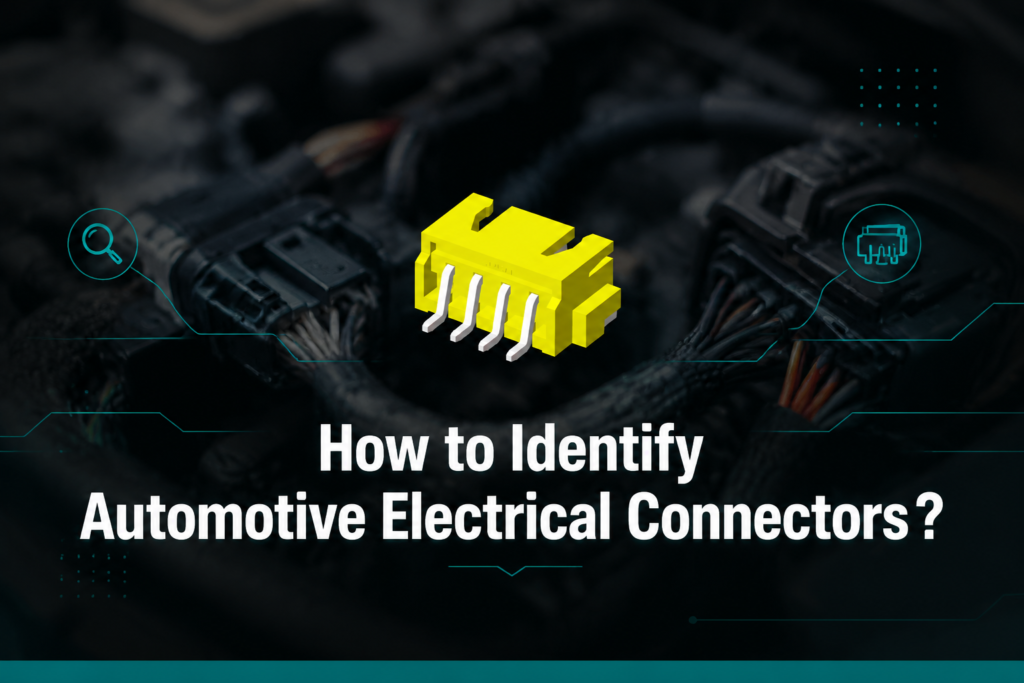
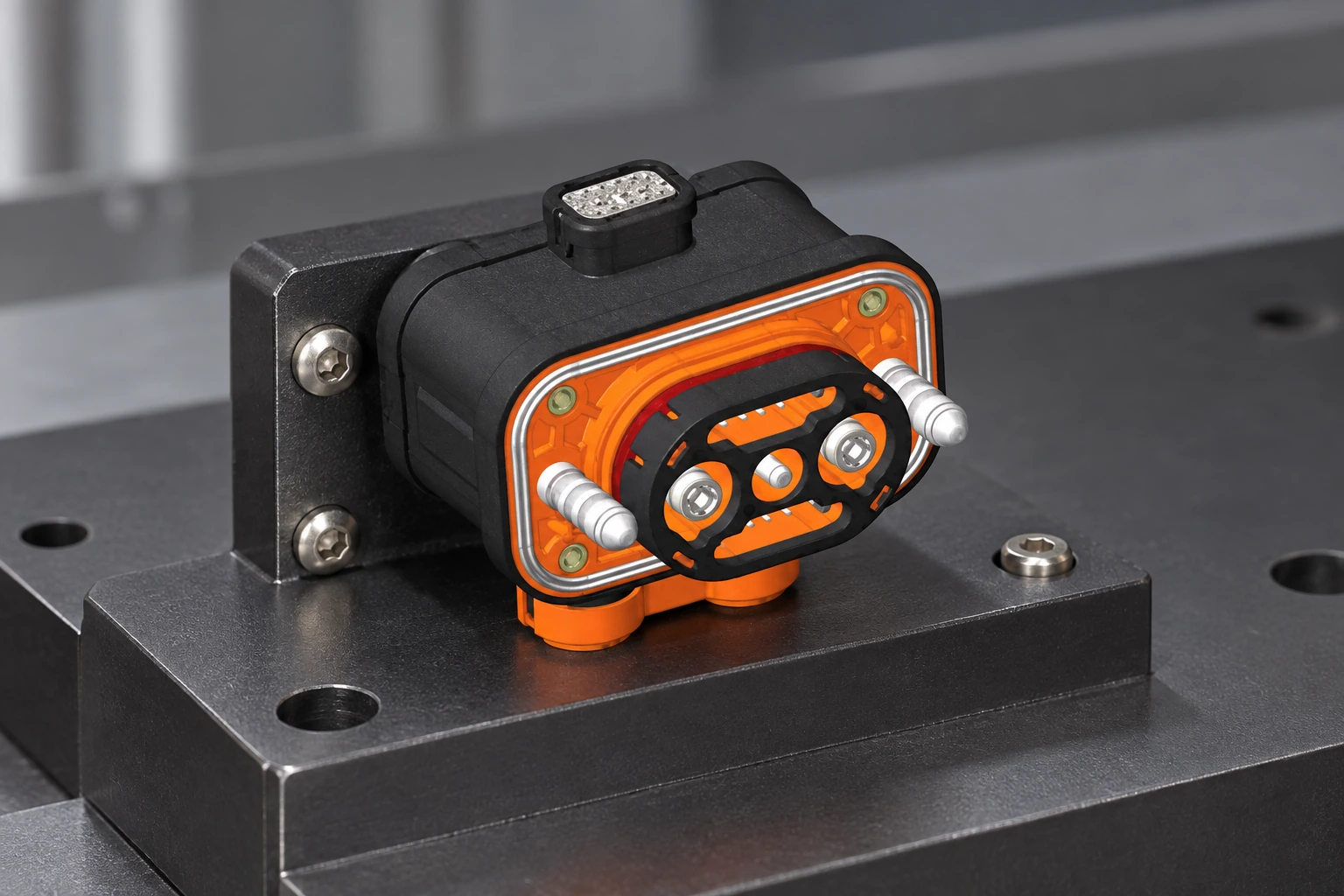
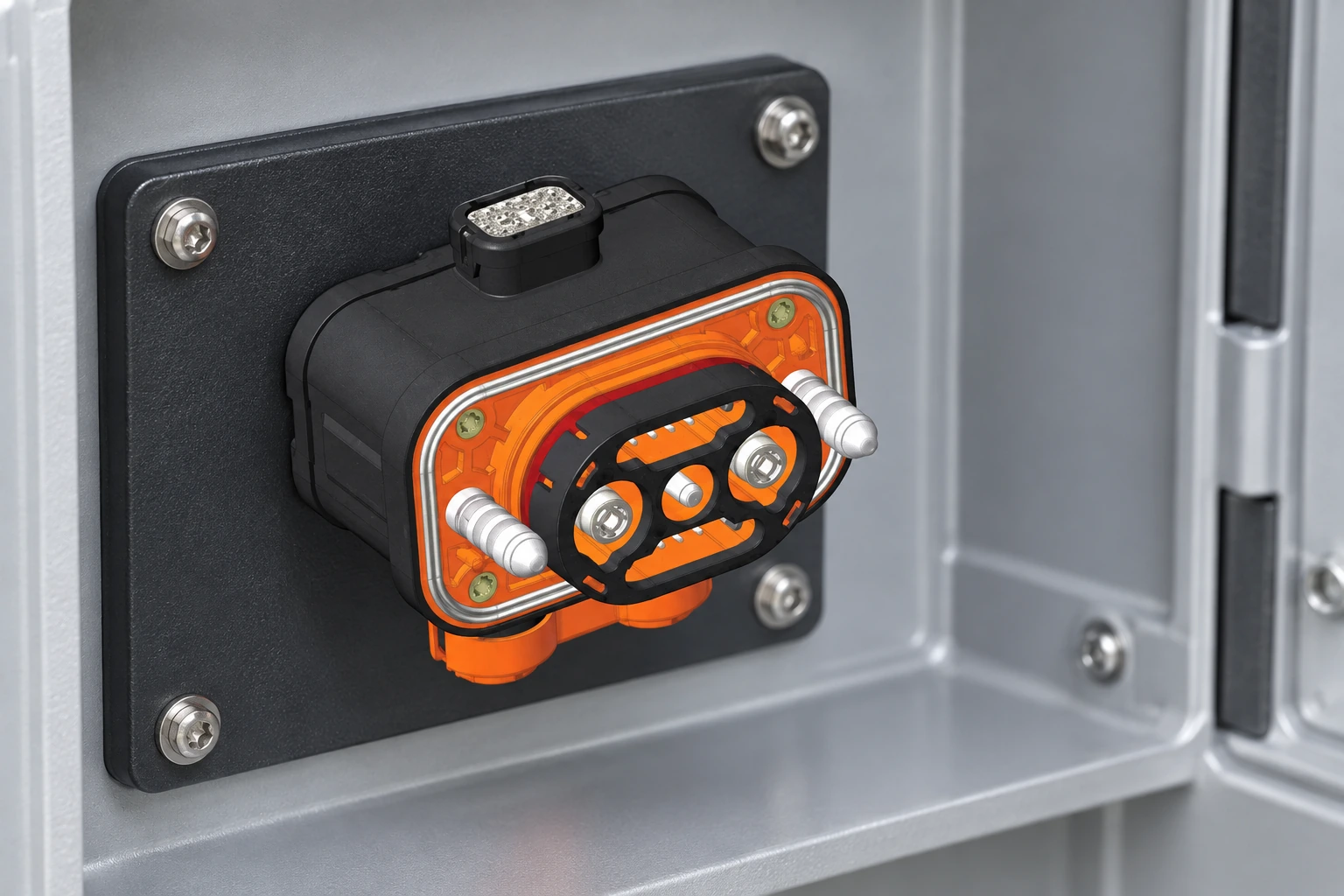
There is a wide range of automotive electrical connectors with various designs and types. These connectors are essential to the function of automotive electrical systems, providing proper electrical connections within the electrical systems of the vehicle. Therefore, automotive electrical connectors will connect electrical components of the vehicle, such as electrical lights, engine control modules, sensors, and infotainment systems. Whether you are an automotive technician working on your own vehicle, or if you are a do-it-yourselfer, or if you are a potential buyer wanting to fix or upgrade your vehicle’s electrical systems, this guide will provide the information you will need to correctly identify automotive electrical connectors.
Quick Answer: How Do You Identify an Automotive Electrical Connector?
Quick Answer: Identify the vehicle, connector location, and circuit first; then record the housing shape, cavity count, keying, latch, terminal style, seal arrangement, wire size, and every molded marking. Compare those details with the vehicle wiring information and a manufacturer drawing or catalog. A photograph can narrow the search, but appearance alone does not confirm the mating interface, terminal system, electrical rating, or environmental suitability. Isolate power before disconnecting or probing a circuit, especially around high-voltage or safety-related systems.
Understanding Automotive Electrical Connectors
Automotive electrical connectors are designed to connect electrical components within your automobile. They can typically be found throughout your vehicle in multiple locations, including under your vehicle hood, behind your dashboard, and in your vehicle wiring harness. Automotive electrical connectors are a critical component to systems such as power, ignition, and electronic control modules.
Auto electrical connectors come in many different designs and uses depending on where they are being used in the vehicle. Therefore, automotive electrical connectors will vary in the type of connector, the materials used to manufacture them, and the way they function. Automotive electrical connectors can also have different configurations based on the type of connector and number of terminals. It is helpful to know what individual structures exist to help you properly identify the types of automotive electrical connectors during diagnostic or repair work on your automobile.
Steps to Identify Automotive Electrical Connectors
There are several practical methods that you can use to identify automotive electrical connectors.
Physical Inspection: The easiest way to help determine an automotive electrical connector is by examining the physical characteristics of the connector. For example, you may want to measure the size, shape, color, and number of pins/terminals of the connector. Another example is that automotive electrical connectors are typically round for sensor applications while blade connectors will typically be used in fuse box applications. Treat these shapes only as clues, because the same general form can serve different circuits.
Electrical Testing: The necessity for electrical testing to identify an automotive electrical connector will depend on several different factors such as location, function, and terminal configuration. In most cases, performing electrical testing will help to properly identify a vehicle electrical connector. The most common form of electrical testing will use a multimeter; however, you could also use a test light or an automotive diagnostic tool to test for continuity between wire harnesses or electrical devices. If the connector does not have a complete circuit, then it would indicate a faulty electrical connector. Testing should follow the vehicle service information: an open reading can also come from an open switch, module state, disconnected component, or measurement at the wrong points, so it does not identify the connector by itself.
Check for Labels or Markings: The markings on the connector itself will often help you find its intended use and where to install it. Record the entire molded code, logo, cavity numbering, and key or polarization marks rather than relying on color alone.
Review the User Manual for Your Vehicle: The vehicle’s User Manual will contain an electrical wiring diagram that shows what type of connector it uses and where to find them. When the owner’s manual does not include connector views, use the applicable vehicle service manual, wiring manual, or authorized repair information.
Use Modern Tools Such As an Online Database / Repair App / Manufacturer’s Website: The use of databases available on the Internet for automotive repairs, such as connector databases, can be very useful when performing advanced repairs on a vehicle. Entering the information about the vehicle (make, model, and year) may provide information about each of the connectors you are working with.
Verify With A Multimeter: A multimeter is an important tool to confirm whether or not the connector is working correctly and/or connected properly. This is particularly helpful when you cannot visually see the connector and want to verify the correct combination of both physical connections and electrical conditions. Use the specified test points and ranges; do not force oversized probes into terminal interfaces because that can spread or damage the contacts.
A Repeatable Connector Identification Workflow
Use the following sequence before ordering a replacement or attempting a repair. It separates observations that help identify a connector from tests that only confirm circuit condition.
Step
What to record or check
Why it matters
1. Define the vehicle and circuit
Year, make, model, applicable variant, connector location, component, and circuit function
Connector families may look alike while their keying, terminals, or circuits differ.
One front-view picture can hide the key, lock, seal, and terminal-retention details.
3. Count cavities and populated ways
Total cavities, occupied cavities, cavity numbering, blanking plugs, and connector-view orientation
A six-cavity housing with four populated positions is not necessarily the same as a four-way connector.
4. Record mechanical features
Housing dimensions, shape, polarization ribs, latch position, CPA or secondary lock, and mating-half geometry
These details often distinguish variants within the same connector family.
5. Record terminal and seal details
Pin, socket, blade, tab, or eyelet form; terminal size; individual wire seals or interface seal; wire outside diameter
Housing fit does not prove that the terminal, seal, and wire combination is compatible.
6. Decode markings
Complete molded part number, supplier logo, material code, date code, and cavity marks
A partial code or mold mark can be mistaken for an orderable part number.
7. Cross-check documentation
Vehicle connector view, wiring diagram, supplier drawing, mating part, terminal, seal, and accessory list
Documentation confirms the system as a set instead of matching only its appearance.
8. Verify safely
Power isolation, pinout orientation, expected circuit state, and specified continuity or voltage checks
Electrical testing confirms circuit assignment or condition; it should not be used as the sole part-identification method.
If terminal removal is necessary to read the terminal or inspect its retention features, follow the correct service procedure and use the appropriate extraction tool. This guide to how to depin an automotive connector explains the general precautions.
Common Types Of Connectors Found In Vehicle Wiring Systems
There are many different types of connectors that are used in automotive wiring. Let’s look at some examples of different types of automotive electrical connectors:
Waterproof: These connectors can be used in wet areas like outside and inside most vehicles. In practice, verify the supplier’s environmental specification for the complete mated system; a visible seal alone does not establish a rating.
Quick Disconnect: Allows you to easily disconnect and reconnect battery cables or anything requiring frequent access.
Heat Shrink: Heat-shrink tubing is used on these types of connectors to make sure the wires are secure and protected from outside contaminants.
Terminal Blocks: Terminal blocks are used in fuse dashboards, etc., to combine groups of multiple wires together for additional organization and functionality.
How Common Connector Features Compare
The labels below describe visible design features, not universally interchangeable product categories. Confirm the exact series and application with the vehicle and component documentation.
Feature or form
Useful identification clues
Typical selection concern
Do not assume
Sealed multi-pin housing
Interface seal or individual wire seals, latch, keying, cavity numbers, and often a secondary lock
Correct mating half, terminals, seals, wire range, and environmental specification
That every connector with a colored seal is waterproof or equivalent
Unsealed multi-pin housing
Open wire-entry area, defined latch and polarization, multiple cavities
Interior location, terminal retention, strain relief, and mating compatibility
That cavity count alone identifies the family
Blade or quick-disconnect terminal
Flat tab and matching receptacle, sometimes within an insulating housing
Tab width and thickness, wire range, retention, insulation, and circuit duty
That all visually similar blades have the same dimensions or rating
That a ring terminal is correct because it fits over the stud
Inline splice or heat-shrink repair
No mating pair; wires join through a crimped or otherwise specified splice and may have a sealing sleeve
Approved repair method, conductor size, sealing, support, and location
That a splice is a substitute for a serviceable plug-and-socket interface
Battery or high-current connection
Larger conductors, robust terminals, protective covers, and application-specific retention
Vehicle procedure, touch protection, conductor and terminal compatibility, and circuit isolation
That physical size proves current capability or that the circuit is safe to handle
Connector Selection Tips
When replacing or purchasing automotive electrical wiring connectors, you want to make sure you have compatibility as well as quality. Here are some quick tips:
Material: Look for connectors made of durable/high-temperature materials such as nylon or polycarbonate. Confirm the material and temperature suitability in the supplier documentation rather than selecting by appearance.
Pin Configuration: Check to be sure that the pin configuration matches the wiring harness that you are working with. Match the cavity layout, keying, terminal type, wire range, seals, and mating half as well.
Waterproof/Sealing: If you are using your connectors outside/engine compartment, you need to make sure your connectors can be used in wet situations without deteriorating due to moisture and/or corrosion. The specified environmental performance applies only under the stated assembly and test conditions.
Connector Ratings: Check for current and voltage ratings to ensure that there is enough power for your application. Also review temperature, vibration, sealing, wire, derating, and other application requirements stated by the vehicle or connector supplier. If a replacement requires new terminals, use a documented process such as the one outlined in how to crimp automotive connectors.
Standards, Drawings, and Verification Scope
IPC/WHMA-A-620 addresses requirements and acceptance criteria for cable and wire-harness assemblies. It can inform workmanship discussions for harness production, but it is not a connector-identification catalog, vehicle repair manual, or blanket product certification. Applicability, class, acceptance criteria, and any required tests must come from the contract, vehicle documentation, component specification, and intended market.
Supplier drawings and connector-system catalogs from organizations such as TE Connectivity, Molex, and Aptiv can help compare housing, terminal, sealing, and mating information. A drawing match still needs to cover the complete system and its application; a similar outline or cavity count is not proof of interchangeability. For commercial sourcing, keep a record of the confirmed housing, mating half, terminals, seals, accessories, wire range, and applicable assembly instructions. Buyers who need documentation and supply coordination can also review ZUCH’s automotive electrical connector OEM overview.
FAQs on Automotive Electrical Connectors
Are there standard wiring color codes for wiring connectors on vehicles?
Yes, wiring color codes for automotive connectors do exist; however, they may vary slightly by manufacturer or country. Generally speaking, the colours used to wire up an automotive electrical connector are red for positive, black for negative (grounding), and yellow or green for signaling/grounding. The vehicle wiring diagrams supplied with the vehicle will provide accurate details on what colour wires should be used. Do not identify a circuit from color alone, because vehicle makers and harness variants may use different schemes.
Can I replace a connector from one manufacturer with another?
If you’re able to switch out an automotive connector with one that is not from the same manufacturer, you must use a connector with the same pin configuration as the original, and the same material and electrical ratings. Failure to do so may create electrical issues or safety concerns. Also verify mating geometry, keying, terminals, seals, wire range, retention, environmental requirements, and approval under the vehicle repair procedure.
How do I know if an electrical connector is bad?
Bad electrical connectors are usually indicated by persistent electrical problems, visible wear and tear or damage, any form of corrosion, and/or loose connections. Using a multimeter to measure the electrical continuity of an electrical connector is a great technique to determine whether or not the electrical connector is working. Follow the circuit-specific diagnostic procedure, because a continuity check alone does not reveal every intermittent, loaded, retention, or sealing problem.
Can I identify a connector using a picture?
A clear picture can narrow the possibilities when it shows the mating face, wire-entry side, latch, keying, cavity numbers, markings, and a scale reference. It usually cannot confirm terminal size, wire range, mating part, rating, or seal compatibility. Use the image to build a shortlist, then verify the result against the vehicle documentation and the connector manufacturer’s drawing.
What are the different types of automotive electrical connectors?
Automotive connector systems include sealed and unsealed multi-pin housings, blade-and-receptacle interfaces, ring terminals, battery and high-current connections, data connectors, and specified splice systems. These broad labels do not define interchangeable parts. Identify the exact family through its housing, keying, terminals, seals, markings, mating half, wire range, and application requirements.
What are the three types of connectors?
There is no universal automotive standard that reduces every connector to only three types. For a simple service discussion, people may group connections as plug-and-socket housings, individual terminals such as blades or rings, and permanent or semi-permanent splices. Procurement and repair still require the exact connector family, terminal, wire, environment, and circuit specification.
What are the different types of 12V electrical connectors?
A 12 V vehicle can use many connector forms, including sealed sensor plugs, unsealed interior harness connectors, blade terminals, ring terminals, accessory power interfaces, and battery connections. System voltage alone does not identify a connector or establish current capacity. Match the circuit, mating geometry, terminals, wire size, environmental conditions, and supplier ratings.
How to identify automotive electrical connectors?
Start with the vehicle and circuit, then record the housing shape, cavity count, populated positions, keying, latch, terminal form, seals, wire details, and every molded marking. Compare front and rear photographs with the wiring information and a supplier drawing, including the mating part and accessories. Use electrical tests only under the service procedure to verify circuit assignment or condition after the physical identification has been narrowed.
How to identify different connector types?
Classify what you can observe—mating method, terminal form, number of cavities, sealing, polarization, locking features, and markings—then compare those features in a documented sequence. Do not use color, pin count, or a single photograph as the deciding factor. A reliable identification matches the complete interface and application, not merely the housing silhouette.
Tools for Working with Automotive Electrical Connectors
To successfully work with and identify automotive electrical connection systems, you will need the appropriate tools. Good tools to consider include electrical connector pin removal kits, crimpers, and electrical testers. These tools will facilitate the process of repairing, replacing, and installing automotive electrical connectors to ensure that they adequately match.
Additionally, if you regularly repair or install automotive electrical connection systems, you will benefit greatly from learning how to read wiring diagrams and connect or disconnect connectors based on electrical connector specifications.
For buyers of automotive electrical connectors, you need to ensure that you deal with a reputable manufacturer or supplier to ensure that your investment is a good one.
Recognising automotive electrical connectors should not be a difficult task if you learn about the connector types, characteristics, and functions. Having the proper tools, knowledge, and resources will give you the ability to successfully resolve any automotive electrical connection issue. If you are an automotive technician, or an automotive vehicle owner, knowing how to select and recognise automotive electrical connectors will save you significant time and effort, and will help ensure that your vehicle will operate well and remain safe.
The most dependable identification is a documented match: housing, terminals, seals, mating half, wire, and application all agree. ZUCH can support connector selection discussions with product information and sourcing communication. If you are evaluating an automotive connector, review the waterproof automotive wire connector guide for environmental questions, then contact the ZUCH team with your vehicle or equipment context, drawings, interface photos, wire details, and application requirements.
 Zhejiang ZUCH Technology Co., Ltd.