Zhejiang ZUCH Technology Co., Ltd.
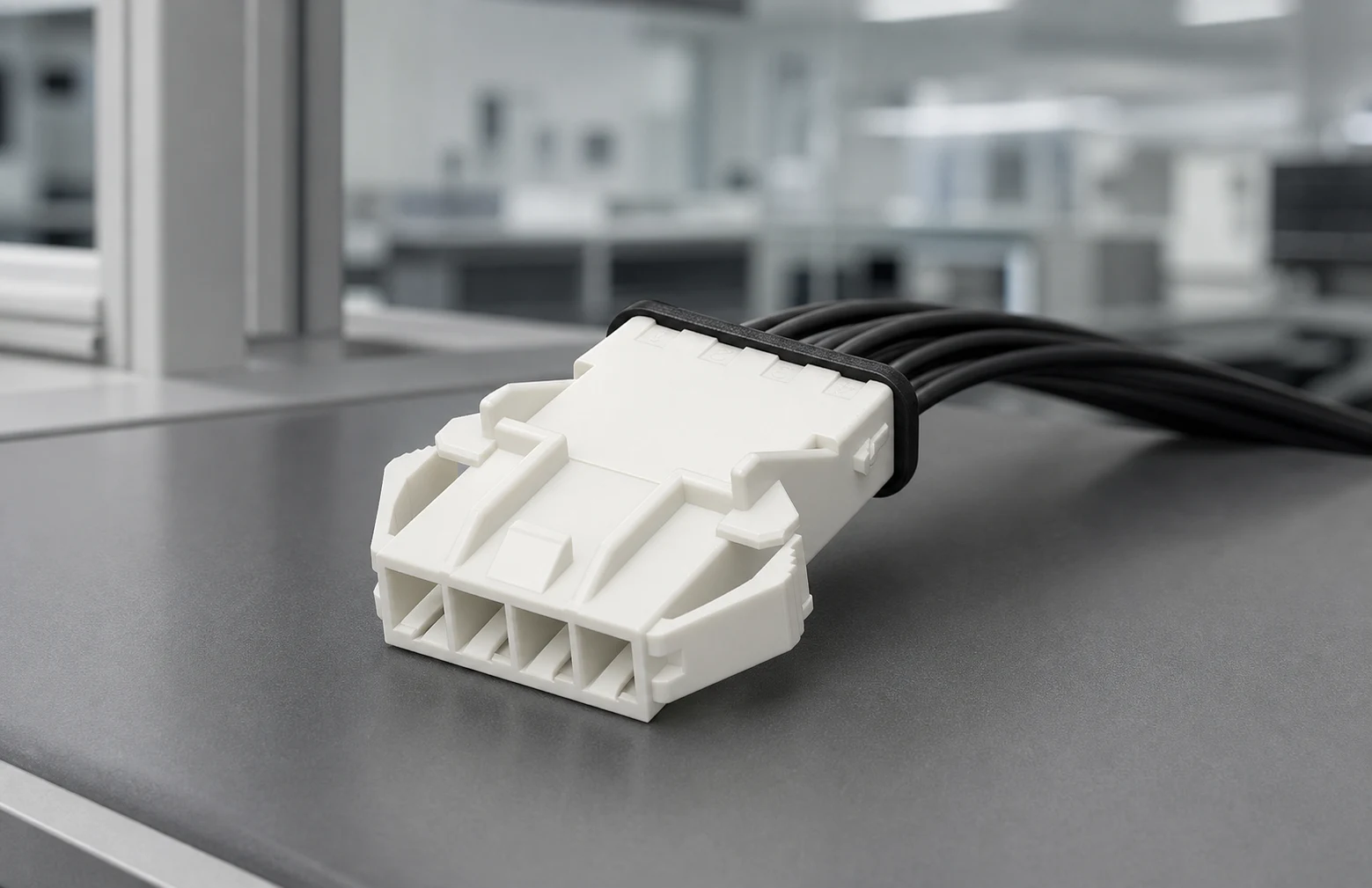
When a maintenance supervisor in Rotterdam encountered repeated intermittent stops on a packaging line, the team wiped the exposed connector faces during a rushed shutdown; a corroded contact then lost continuity as the line restarted. The reversal came after the assembly was isolated and reviewed: the failure was not simply a bad connector, but an open-style interface specified for washdown exposure and maintained without a documented seal check.
Summary: Industrial rectangular connector maintenance starts with a de-energized inspection, then uses the OEM-approved cleaning method, seal and latch examination, and controlled storage. IEC 60512 describes connector test methods, while IEC 61984 defines the safety and performance scope for connectors; neither substitutes for an application-specific maintenance plan. Record condition at each service interval and replace damaged components instead of improvising repairs. For automotive-adjacent equipment, keep rectangular automotive connectors separate from industrial connector decisions because their mating systems, environmental duties, and OEM procedures may differ.
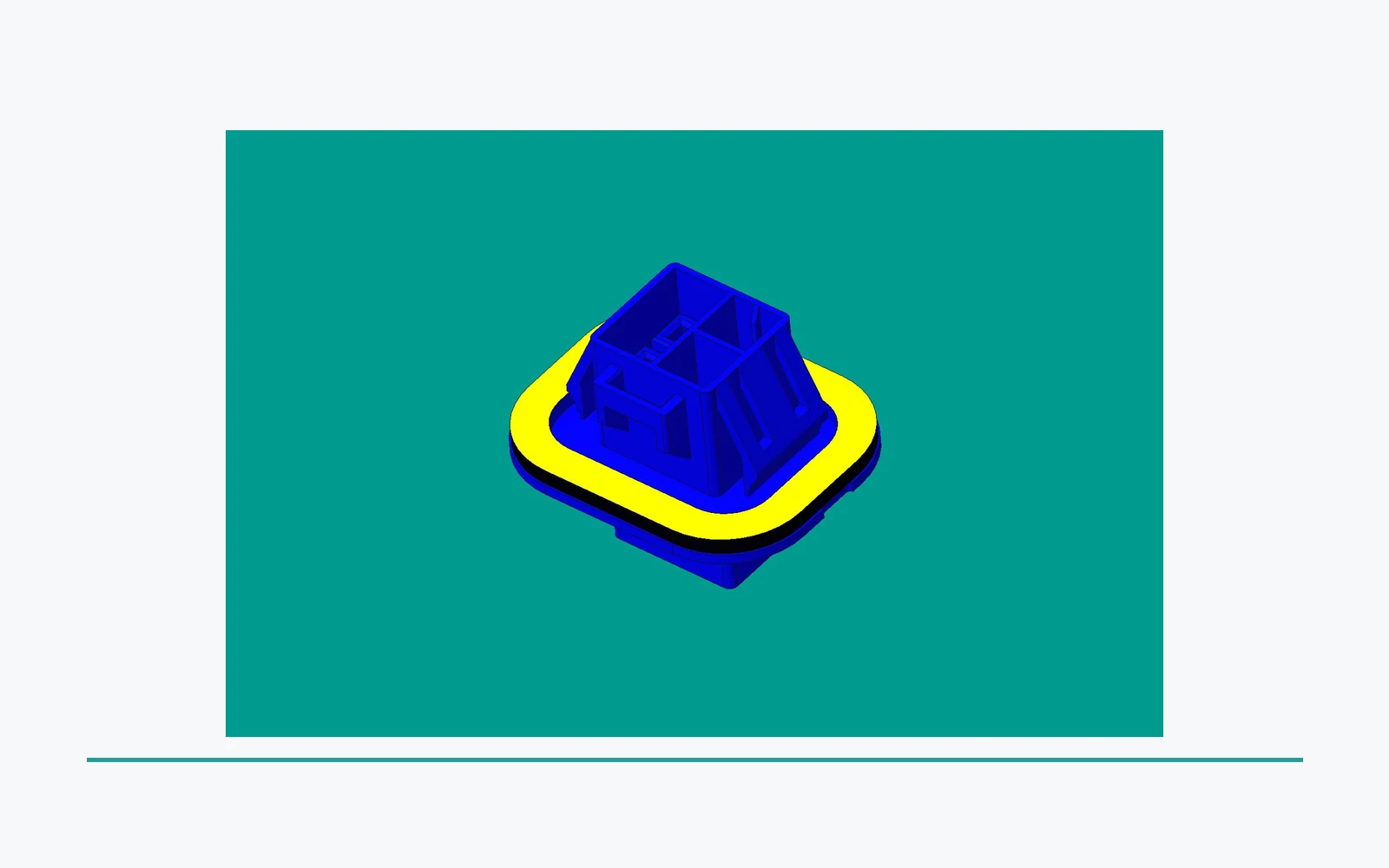
Rectangular interfaces are used to organize power, signal, and mixed circuits in machinery, panels, mobile equipment, and other controlled environments. A sound program protects uptime by detecting contamination, loss of retention, or moisture paths before a minor defect becomes an intermittent fault. It should be performed only by competent personnel following the equipment and connector manufacturer’s approved procedures.
Set an inspection schedule around the operating environment
Inspection frequency should reflect duty cycle, vibration, contaminants, washdown, thermal cycling, and the consequence of an unplanned stop. A clean indoor control cabinet may be reviewed during a planned quarterly or semi-annual service window; a high-vibration, outdoor, or washdown installation may need visual checks before each scheduled production campaign and a documented detailed inspection at every OEM-defined interval. These are planning examples, not universal replacement intervals. Include the exposure and tested assembly state behind an IP65 or IP67 connector rating in that inspection plan.
With the circuit de-energized, inspect the housing, keying, strain relief, backshell, cable jacket, latch position, contact cavities, and visible seals. Look for discoloration, cracks, bent contacts, loose hardware, residue, fretting debris, or evidence of water ingress. Compare findings against the approved drawing, installation instructions, and prior records. Contact resistance is a useful diagnostic only when measured with the correct method and acceptance limits; IEC 60512 includes relevant test-method families, but the pass/fail criterion remains the product and system specification.
Clean contacts without creating a second failure
First isolate, lock out, and verify absence of energy according to the site’s electrical-safety procedure. Never use abrasive materials, compressed air of uncertain cleanliness, unapproved solvents, or metal tools in a connector interface. Those practices can remove plating, drive debris into cavities, leave conductive residue, or compromise seals.
Use only the contact-cleaning materials and drying sequence approved by the connector and equipment OEM. A controlled visual inspection after cleaning should confirm that no fibers, liquid, or displaced seals remain before mating. If contamination persists, a contact is discolored, or mating force changes materially, escalate to the approved service process rather than burnishing or reshaping the contact in the field. This distinction matters for industrial products as well as automotive electrical connectors, which commonly have vehicle-specific service instructions. The service bulletin for rectangular electrical connectors used on stationary machinery should likewise govern materials and acceptance criteria.
Protect seals, latches, and mating geometry
Seals prevent ingress only when the specified connector halves, cable range, assembly process, and closure condition are all correct. Examine perimeter and wire seals for cuts, flattening, swelling, extrusion, or contamination; confirm that the latch reaches its fully locked position without forcing it. Do not stretch a seal to fit, substitute a visually similar part, or apply grease unless the relevant OEM explicitly approves the material and location.
An IP rating describes protection under defined test conditions, not indefinite performance in every fluid, pressure, temperature, chemical, or mated/unmated state. The rating also belongs to the evaluated assembly configuration. A connector body marked for a particular IP level does not establish that an incomplete harness, open cavity, damaged seal, or differently installed system has that same protection. Retention and mechanical operation may be evaluated through applicable IEC 60512 methods, but field service should follow the manufacturer’s limits.
Store spares to prevent corrosion before installation
Keep connectors in their original protective packaging, in a clean, dry, temperature-controlled area that avoids condensation and corrosive vapors. Use stock rotation, preserve lot identification where required, and do not place loose parts together where terminals can rub or keying features can be damaged. Before issuing a spare, inspect packaging integrity and confirm that the exact approved mating component and accessories are available. For a custom rectangular power connector, also confirm the current drawing revision before issuing a replacement.
For sites with salt, sulfur compounds, chemical mist, or frequent temperature swings, procurement should define sealed packaging, indoor storage conditions, and inspection on issue. Moisture-control materials should be used only where the manufacturer’s packaging instructions permit them. This avoids treating corrosion as a cleaning problem after plating or spring properties have already been affected.
Compare maintenance approaches before a failure becomes expensive
| Approach | Near-term effect | Durability implication | TCO consideration |
|---|---|---|---|
| Documented preventive inspection | Planned service time | Finds seal, latch, and contamination issues early | Can reduce unplanned diagnosis and secondary damage |
| Condition-based review after alarms | Targets known symptoms | May miss dormant environmental damage | Useful when supported by reliable records and access |
| Run-to-failure response | Defers routine work | Raises exposure to interruption and collateral fault finding | Often shifts cost into downtime, labor, and expedited sourcing |
| Unapproved field rework | May appear quick | Can alter plating, retention, or sealing | Creates traceability and warranty risk |
The lowest unit-cost action is not necessarily the lowest total-cost choice. An illustrative example is a short corrective intervention that becomes costly when access requires a shutdown, fault isolation, cable replacement, and production recovery. Maintenance records make the cost driver visible: condition, exposure, labor time, and lost availability—not just the price of an individual connector.
| Inspection finding | Likely cost driver | Approved response |
|---|---|---|
| Surface residue with no damage | Cleaning time and access | Use the OEM-approved de-energized cleaning process and re-inspect |
| Seal deformation or missing cavity protection | Ingress risk and harness work | Replace with the specified component or assembly |
| Latching does not fully engage | Intermittent connection and diagnosis | Check approved parts, alignment, and housing condition; replace if damaged |
| Corrosion, heat damage, or contact damage | Downtime, replacement, and root-cause review | Remove from service under the approved repair or replacement procedure |
Use standards accurately in maintenance and procurement
IEC 60512 is a series of test methods for electromechanical components; it provides a common basis for evaluating characteristics such as electrical continuity, mechanical operation, and environmental behavior under specified conditions. It is not a blanket product certification and does not prove field suitability for every application. IEC 61984 addresses safety requirements and tests for connectors, with scope and applicability determined by the standard edition and product design.
Procurement documents should identify the actual connector series, rated use, mating configuration, accessories, required environmental performance, and destination-market obligations. Claims about compliance, sealing, or performance should be supported by the manufacturer’s documentation for the complete intended configuration. Unsupported claims can create acceptance disputes, warranty exposure, and redesign work when equipment crosses markets or operating conditions.
Select components and service controls that support maintainability
- Specify the mating pair, contacts, seals, accessories, cable range, and assembly tooling as one controlled system.
- Match environmental protection to the actual exposure, including whether inspection or servicing occurs while the interface is unmated.
- Require installation instructions, inspection criteria, and replacement part traceability in the sourcing package.
- Train maintenance teams to recognize when a defect requires replacement rather than cleaning or adjustment.
For sourcing teams, ZUCH rectangular connector options can be reviewed alongside the documented mating system and service requirements. ZUCH, a Chinese listed connector-system manufacturer founded in 1994, also presents related waterproof connector options; buyers should confirm the product-specific documentation and intended assembly before assigning an environmental duty. The same controlled-selection principle applies when an industrial system sits near vehicle equipment using rectangular automotive connectors. It does not make rectangular electrical connectors interchangeable with vehicle-specific interfaces; documentation must establish the duty, mating system, and service method.
Frequently asked questions
How often should industrial rectangular connectors be inspected?
Use the OEM schedule as the baseline, then adjust for vibration, contaminants, washdown, temperature cycling, and criticality. Many facilities include clean indoor connectors in planned periodic maintenance and inspect exposed or high-risk interfaces more frequently. Record findings so the interval can be reviewed with evidence rather than habit.
What is safe to use when cleaning connector contacts?
Only use cleaning materials, solvents, applicators, and drying steps approved by the connector and equipment OEM, after the circuit is de-energized. Avoid abrasives, improvised chemicals, and tools that can damage plating or retention features. If the approved process does not restore an acceptable condition, replace the affected item through the authorized procedure; the same discipline applies to automotive electrical connectors.
How do I prevent corrosion in rectangular connectors?
Prevent corrosion by selecting the correct environmental configuration, keeping seals and latches intact, using controlled packaging, and storing spares in clean, dry conditions. Inspect after exposure events and investigate the moisture or contaminant path rather than repeatedly cleaning a damaged interface. The applicable IP rating must match the complete installed configuration. Those same boundaries should be confirmed separately for automotive electrical connectors.
Should I apply dielectric grease to rectangular connector seals?
Apply it only when the connector OEM explicitly approves the grease, quantity, and location for that series and application. An unapproved material can affect seal materials, attract contamination, or change mating behavior. Follow the documented assembly instruction rather than a general rule of thumb.
What causes a connector latch to stop locking?
Common causes include contamination, misalignment, a damaged housing or key, an incorrect mating part, and deformation from prior handling. Do not force the latch or trim the housing. With power isolated, inspect against the approved assembly instructions and replace damaged components as specified. This is particularly important when service teams encounter rectangular automotive connectors on vehicle-related assets.
When should an industrial rectangular connector be replaced?
Replace it when inspection finds cracked housing, damaged or corroded contacts, loss of retention, compromised sealing, heat damage, or a latch that cannot lock within the approved process. Replacement is also appropriate when an approved cleaning and inspection procedure does not restore acceptable condition. The decision should use the OEM criteria and the system’s safety and availability requirements; it applies equally to approved rectangular electrical connectors in industrial equipment.
References and next step
- International Electrotechnical Commission (IEC)
- IEC 60512, Connectors for electronic equipment — Tests and measurements
- IEC 61984, Connectors — Safety requirements and tests
Reliable connector maintenance is a controlled decision: isolate, inspect, follow the approved method, and replace rather than improvise when the interface no longer meets its specification. For a documented product discussion, procurement and engineering teams can review connector categories and contact ZUCH about its product range for the next sourcing decision.