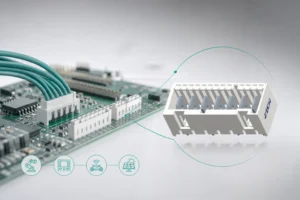
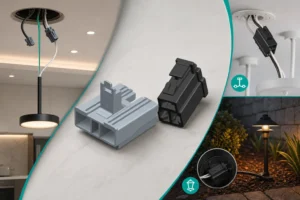
A terminal may be a small component, but it carries electrical current, mechanical load, and the responsibility for a reliable connection. A purchasing approval based only on a sample appearance or a price comparison can leave important risks unaddressed. Buyers and engineers should review the controls that govern terminal material, forming, plating, crimp performance, inspection, and traceability before approving a supplier for production.
This article outlines the evidence that a procurement team should request and the questions that help distinguish a repeatable production process from a one-time sample capability.
1. Verify the terminal specification first
Start with a controlled technical specification. It should identify the terminal type, base material, plating requirement, conductor range, compatible housing or mating tab, applicable wire standard, operating current, temperature range, and any environmental requirements. If the terminal will be crimped, include the approved crimp profile, tooling interface, and acceptance requirements.
Without this foundation, supplier comparisons are unreliable. Two parts with similar shapes may differ in material temper, plating thickness, contact force, or retention feature.
2. Request material and plating controls
Terminal performance begins with the strip material and plating. Ask the supplier how it verifies material grade, thickness, conductivity, and temper on receipt. For plated terminals, request the plating specification and the method used to confirm thickness and coverage. The required plating depends on the application: corrosion environment, mating cycles, current level, and the material of the mating contact all matter.
Review how the supplier prevents mixed material or plating lots. Lot-level identification and documented first-article checks make it possible to investigate a problem without relying on assumptions.
3. Examine stamping and forming process controls
Progressive stamping can produce high volumes, but it also requires disciplined control of wear and dimensional drift. Ask for examples of in-process inspection points, tool-maintenance records, and reaction plans for out-of-tolerance dimensions. Critical features often include terminal width, thickness, contact geometry, lance height, burr direction, and carrier condition.
A useful question is not just ?Do you inspect?? but ?Which dimensions are checked at what frequency, and what happens when a check fails?? The answer should identify the containment method, root-cause process, and how potentially affected stock is handled.
4. Confirm crimp quality expectations
For crimp terminals, the supplier should be able to support a defined crimp process rather than a visual-only acceptance method. Request the recommended crimp height, crimp width where applicable, conductor strip length, pull-force requirement, and cross-section acceptance criteria. A cross-section review can reveal incomplete conductor compression, damaged strands, excessive bellmouth, or poor insulation support that might not be visible from the outside.
Crimp requirements must be matched to the actual wire. Wire gauge alone is not sufficient; strand count, insulation diameter, plating, and terminal design can all influence the result.
5. Check terminal-to-housing retention
When a terminal is used in a housing, verify primary locking and any secondary retention feature. Buyers should request terminal retention force data and confirm that the test uses the intended housing. If the application sees vibration, thermal cycling, or repeated service access, the qualification plan should include those conditions.
Also consider assembly error prevention. Clear terminal orientation, insertion confirmation, polarization, and terminal-position assurance features can reduce defects before equipment reaches the customer.
6. Review electrical and environmental validation
The required tests depend on the application, but a terminal supplier should explain the basis for its ratings. Common data includes contact resistance, voltage withstand, insulation resistance when part of an assembly, temperature rise, vibration, thermal cycling, and corrosion exposure. Ask whether the terminal was tested with the proposed mating part and conductor size, because the complete connection determines field performance.
7. Require traceability and controlled changes
Each production lot should be traceable to material, manufacturing date, tooling or line, inspection status, and shipment. This information is important for containment and supports an efficient response if a quality issue occurs. In addition, establish a written notification process for changes in strip material, plating source, tooling, process, production location, or inspection plan.
For high-risk programs, buyers can require a requalification package before a change is implemented. The package should define what changed, why it changed, the validation performed, and the revision level of the approved documentation.
Buyer approval checklist
- Controlled terminal drawing and application requirements
- Material and plating specifications with lot controls
- Stamped-feature inspection plan and tool-maintenance process
- Approved crimp data, pull testing, and cross-section criteria
- Terminal retention data with the intended housing
- Relevant electrical, thermal, vibration, and corrosion validation
- Lot traceability, nonconformance process, and change notification
ZUCH offers terminal solutions and related connecting terminal products for multiple interconnect applications. For a project-specific review, contact ZUCH with the wire, current, environment, and mating requirements.
 Zhejiang ZUCH Technology Co., Ltd.