What Are the Best Automotive Wire Connectors?
Quick Answer
The best automotive wire connector is the one matched to the circuit, wire size, current load, environment, mating interface, and service plan. Use a sealed multipin connector for exposed harness junctions, a correctly sized crimp splice for a permanent in-line repair, and a serviceable quick-disconnect only where planned disconnection is required. Connector quality depends on the whole terminated system—not the housing alone—so confirm the terminal, seal, wire, tooling, and assembly instructions as a set. For a related technical topic, see Best Wire Connectors For Automotive.
The importance of picking out high-quality automotive wire connectors cannot be understated if you want your vehicle’s electrical systems to perform reliably and provide a long-lasting connection. Wirings and electronic devices must be connected reliably for automotive wiring and electronic systems to operate safely. In this article, we will discuss the qualities of a good automotive wiring connector. We will also look at the various types of automotive wiring connectors and provide recommendations for which connectors to use depending on your specific application.

The Challenges of Automotive Electrical Systems
Automotive wiring systems typically face different types of challenges than many other industries’ electrical systems do. Exposure to temperatures, harsh environments, vibrations, moisture, degradation due to chemicals, and corrosion are just a few of the challenges automotive wiring systems face on a daily basis. The use of the wrong type or inexpensive types of automotive wiring connectors can result in many types of defects including intermittent electrical faults, complete failures of parts of systems, and serious hazards such as short circuits or fires. Good quality automotive wiring connectors can provide strong connections that are able to withstand the harsh conditions of the automotive environment.
A connector should therefore be evaluated as an assembly. A sealed housing can still fail if the wire seal does not fit the insulation diameter, the contact is crimped with the wrong die, the terminal is not fully locked, or the harness places side load on the mated pair. For production and repair work, record the approved wire range, terminal part number, seal, strip length, tool, and inspection criteria before assembly.
Automotive Wire Connector Comparison
No connector family is universally “best.” The practical choice is the family whose strengths align with the location and whose limitations can be controlled by the harness design.
| Connector type |
Best-fit use |
Main advantage |
Selection caution |
Verification focus |
| Crimp butt splice |
Permanent in-line wire repair |
Compact and fast when the splice, wire, and tool are matched |
Not intended for repeated disconnection; sealing must suit the location |
Wire range, crimp height or tool setting, pull integrity, insulation support |
| Quick disconnect |
Serviceable accessories, lamps, or speakers in protected locations |
Convenient mating and removal |
Unsealed versions are a poor choice in splash, dirt, or salt exposure |
Contact engagement, retention, polarity, strain relief |
| Sealed multipin connector |
Exposed harness junctions and grouped circuits |
Organized circuits with environmental protection when assembled correctly |
Every terminal, cavity plug, seal, and wire size must be compatible |
Seal compression, terminal lock, secondary lock, cavity assignment |
| Unsealed multipin connector |
Dry cabin or protected module interfaces |
High circuit density and easier service |
Do not assume an interior location is free from condensation or spills |
Mating key, pinout, latch retention, contact plating compatibility |
| Solder-seal splice |
Controlled repair where the vehicle maker or repair procedure permits it |
Combines joining and heat-shrink sealing in one component |
Heat distribution, solder flow, conductor support, and local repair rules matter |
Full wetting, undamaged insulation, complete seal, strain relief |
Types of Automotive Electrical Connectors
There are several different types of automotive wiring connectors to choose from which can ultimately determine which type of wiring connector will satisfy your needs. The following is an overview of the major types of automotive electrical connectors:
1. Butt Connectors
These are among the most simple and common types of wiring connectors and are designed specifically to splice two wires together by inserting the ends into the opposite ends of the connector and crimping or soldering them into place. They work very well for making simple repairs of automotive wiring or for lengthening wires.
2. Quick Disconnects
Quick disconnects are designed for ease of disconnection without the need for cutting the wires. They are commonly applied in situations requiring easy assembly (and disassembly), such as speaker and light connections.
3. Weatherproof Connectors
These connectors have been specially manufactured for use in extreme weather conditions and include an internal seal or grommet which provides protection against dust and moisture. If you are working in any marine, off-road, and/or other high exposure types of environments, weatherproof connectors are essential.
4. Multipin Connectors
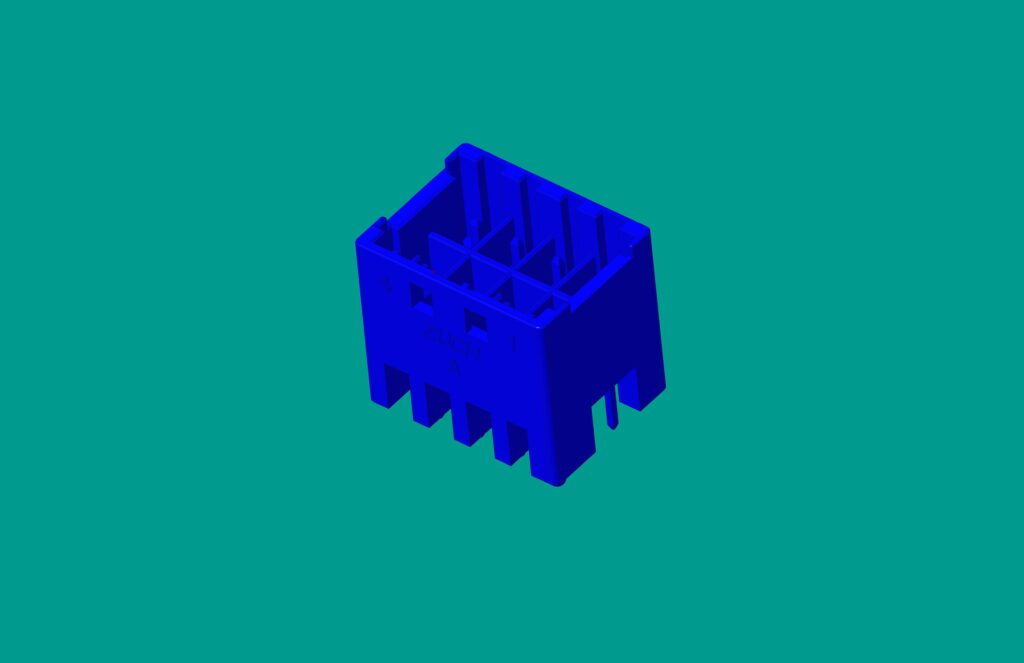
Multipin connectors are designed to house multiple wires within one plug, making installation easier for the installer while at the same time providing a more organized appearance for all of the wires. They are used in a variety of automotive components including engine control units, automotive lighting, and automotive audio installations.
5. Solder Seal Wire Connectors
Solder Seal Connectors consist of a solder connection and heat shrink that are both manufactured as part of a single process, so when heat is applied to them they will both melt and adhere to each other at the same time, thereby allowing for a single convenient step for the installer. Solder Seal Connectors are ideal for those seeking simplicity in installation with reliable reliability of the connection.
How to Choose the Best Automotive Wire Connectors for You
To select the correct connector for your application, consider the following key elements:
Durability and Material
The majority of high-quality automotive wire connectors are made with corrosion-resistant materials such as brass or copper, which will provide strength and longevity to the connection. Insulated connectors that are made with heat-resistant plastics or Teflon are also recommended to provide a level of added protection.
Current Rating (Amperage) and Voltage Rating
Be sure you are using a connector that is rated for the amount of current or voltage you will be working with. Using inferior connectors may cause overheating or failure.
Ease of Use
Some connectors (such as solder seal and crimp) have been developed with the ease of installation in mind. When selecting your connectors, you should know your skill level before choosing a connector that matches your capabilities.
Environmental Resistance
If your vehicle is subjected to extreme conditions, the best bet is to use weather-resistant connectors or those rated for a greater thermal or chemical resistance.
Connector Selection Matrix
Use the table below to turn a general connector choice into a procurement and assembly specification. Published supplier data and the applicable vehicle or harness drawing should decide the final limits.
| Decision factor |
Question to answer |
Evidence to request |
Risk if omitted |
| Electrical load |
What continuous and peak current will each circuit carry? |
Contact rating under stated wire, temperature, and derating conditions |
Excess heat, voltage drop, or contact damage |
| Wire compatibility |
Do conductor size and insulation diameter fit the terminal and seal? |
Approved wire range and application specification |
Weak crimp, cut strands, poor sealing, or terminal back-out |
| Environment |
Will the connector face water, salt, dirt, chemicals, heat, or vibration? |
Test conditions and results relevant to the installation zone |
Corrosion, seal leakage, fretting, or intermittent faults |
| Mechanical interface |
Are keying, latch, terminal position assurance, and mating geometry correct? |
Interface drawing, cavity map, and mating-part numbers |
Mis-mating, incomplete locking, or damaged contacts |
| Service strategy |
Is the joint permanent, periodically disconnected, or field-repairable? |
Assembly, depinning, and repair instructions |
Unnecessary harness replacement or unreliable reuse |
| Process control |
Can the correct tooling and inspection method be maintained? |
Tooling specification, visual criteria, and acceptance plan |
Variation between operators and hidden termination defects |
For exposed locations, see the practical distinctions in waterproof automotive wire connectors. If the project is moving from repair quantities to production volumes, an automotive electrical connectors OEM review can help define documentation, tooling, traceability, and supply requirements.
Top Rated Automotive Wire Connector Brands
Even though the market has numerous choices, the following manufacturers produce high-quality wire connectors automotive professionals trust:
Delphi: A leader in the manufacturing of OEM-quality connectors, Delphi’s products provide rugged and high-performance solutions for extreme operating conditions.
Molex: A long-time contributor to the connector industry, Molex provides a wide range of connector types that can be used for automotive or industrial applications.
Deutsch: A trusted source for rugged automotive and off-road applications, Deutsch connectors have been designed to be weather-resistant and vibration-resistant.
Posi-Lock: Providing simple installations and reusable designs, Posi-Lock connectors are ideal for creating fast and secure connections with little to no tools required.
Brand-selection note: A familiar brand name does not replace application verification. Compare exact series and part numbers, wire and seal ranges, mating compatibility, tool requirements, published test evidence, lifecycle status, and authorized supply channels. The “best brand” is the one that can document a suitable, repeatable system for the application.
Standards and Evidence: What to Verify
IPC/WHMA-A-620 provides acceptance requirements for cable and wire harness assemblies. It is an assembly workmanship and acceptance standard, not a blanket product certification and not proof that every connector is suitable for every vehicle location. Buyers should identify the required class or customer criteria, the applicable revision, and any vehicle-maker-specific drawing or test specification before using it in a purchase order or inspection plan.
- For termination quality: define conductor preparation, crimp acceptance, insulation support, pull-test sampling, and visual inspection requirements.
- For environmental suitability: compare supplier test conditions with the actual installation zone; a general “waterproof” or “automotive grade” label is not enough.
- For compatibility: verify the housing, terminal, seal, wire, secondary lock, mating half, and tooling as one controlled system.
- For sourcing: require traceable part numbers and change-control communication where continuity matters.
Proper Installation of Automotive Wire Connectors
All high-quality connectors must be installed correctly to achieve maximum performance. To ensure a successful installation, remember these steps:
1. Carefully strip back the insulation from each end of the wire exposing just enough conductor to make contact without damaging the conductor’s insulation.
2. Select the proper connector for the application by evaluating the size, type and environmental constraints of each connector.
3. Use the proper tools to make sure each connector is correctly installed (i.e., crimp connectors are installed with a crimping tool, solder seal connectors are installed with a heat gun).
4. Verify the integrity of the connection by checking that it is leak-proof; also check that the connection is good by testing it with a multimeter as required prior to completing the assembly.
For a controlled termination process, follow the connector maker’s strip-length and tooling instructions and use the acceptance criteria agreed for the harness. This automotive connector crimping guide explains the workflow in more detail. Electrical continuity alone is not a complete quality check: also confirm terminal retention, strain relief, seal placement, latch engagement, polarity, and a secure mating cycle.
Frequently Asked Questions (FAQ)
What types of automotive electrical connectors exist?
Butt connectors, quick disconnects, weather-resistant connectors, multipin connectors and solder seal connectors are just some examples of the many different types of connectors made for specific wire applications.
What is the difference between crimped connectors and soldered connectors?
Crimped connectors rely on holding the wires in place through pressure and soldered connectors rely on a melted metal (solder) to join the two wires together. Crimp connectors are usually installed faster than soldered connectors, and soldered connectors tend to provide more permanent connections that have less resistance than crimped connectors, which is especially important in high-vibration environments.
Selection note: Lower resistance or better vibration performance should not be assumed solely from the joining method. A correctly engineered and tooled crimp is widely used in vehicle harnesses; follow the vehicle maker’s repair procedure and assess the actual termination, strain relief, and environmental protection.
How do I decide upon a suitable connector for an automotive application?
When selecting a suitable connector for automotive applications you will need to consider several variables, including the working environment (i.e., wet and dirty vs. dry), the amount of current and voltage being carried, the ease of assembly, and the quantity of wires. If the wires are exposed to harsh conditions such as rain, snow, mud or salt (e.g., outside of a vehicle), choosing connectors with a seal will improve their performance. If you are working on a complicated system where a connector has many pins, you may want to look at multipin connectors as they will be the most efficient option.
Do I need weatherproof connectors?
If your application will expose the wiring to wet conditions, dirt and/or other harsh elements, you need to invest in weatherproof automotive connectors to help avoid possible electrical failures due to moisture and corrosion.
Can I reuse automotive wire connectors?
While some automotive wire connectors, such as Posi-Lock connectors, are designed for multiple uses, it is not generally recommended to reuse crimp type and solder type connectors as they may not be as reliable after they have been removed from the original application.
Buyer FAQs
What is the best way to connect automotive wires?
For most permanent harness terminations, use the connector maker’s approved crimp terminal, compatible wire and seal, and specified crimp tool. For a repair, follow the vehicle maker’s service procedure; the location, circuit load, exposure, and need for future disconnection determine whether a sealed splice or serviceable connector is appropriate.
What is the best brand of wire connectors?
There is no single best brand for every vehicle or circuit. Choose an established supplier that provides the exact compatible housing, contacts, seals, mating parts, tooling instructions, ratings, test conditions, and traceability required for the application, then evaluate the specific series rather than relying on the brand name alone.
What type of electrical connectors are commonly used in automotive wiring?
Common types include sealed and unsealed multipin housings, crimp terminals, butt splices, quick-disconnect terminals, ring terminals, and specialized high-current or data connectors. Their use depends on whether the joint is inside the cabin, in an exposed harness, at a sensor, at a module, or in a serviceable power connection.
What are the different types of automotive wiring connectors?
Automotive wiring connectors can be grouped by function: in-line splices, single-circuit disconnects, multipin harness connectors, sealed environmental connectors, power terminals, and signal or data interfaces. They can also be classified by terminal style, locking method, sealing approach, circuit count, and serviceability.
How to choose the right wire connector?
Start with the circuit’s continuous and peak current, voltage, wire size, insulation diameter, and mating interface. Then define temperature, vibration, moisture, chemical exposure, sealing, service cycles, tooling, inspection, and sourcing requirements; approve the connector only when the supplier’s documented limits cover those conditions.
What are the best wire connectors for cars?
The best choices are application-specific: sealed multipin connectors for exposed harness junctions, protected multipin connectors for dry module interfaces, correctly sized crimp splices for permanent repairs, and purpose-designed serviceable terminals where disconnection is expected. Avoid selecting by appearance alone—fit, ratings, seal compatibility, terminal retention, and assembly quality control matter more.
By selecting the right type(s) of automotive wire connectors, you can help ensure a safe, effective, and long-lasting electrical installation within your vehicle. The requirement of choosing the correct automotive wire connectors is the optimal way to provide both an effective and reliable electrical system.
References and Further Reading
- IPC/WHMA-A-620: Requirements and Acceptance for Cable and Wire Harness Assemblies
- TE Connectivity: Automotive Connector Systems
- Molex: Automotive Solutions
- Aptiv: Automotive Connection Systems
 Zhejiang ZUCH Technology Co., Ltd.