Quick-Connectors for Serviceable Assemblies: Review Access and Replacement Inputs
Quick-Connectors for Serviceable Assemblies: Review Access and Replacement Inputs
A service team may see a quick connector and assume that the assembly can be opened, replaced, and returned to service with little planning. That assumption can fail when a cover blocks the release path, the harness loads the interface, the mating part is undocumented, or the proposed substitute only looks similar. A serviceable quick-connector assembly is a controlled system decision: confirm the interface, access envelope, mating and release conditions, routing, and replacement evidence before treating a component as interchangeable. This guide gives engineering, procurement, and field-service teams a drawing-led review path without turning a connector category into a service authorization.
The short answer is that quick access does not equal approved replacement. First identify the exact connector and specified mate, then confirm how an authorized person reaches and releases it in the installed assembly. Review the harness route, enclosure conditions, and change records before requesting a sample or alternate. IEC 60512-1:2018 describes a generic framework for connector tests and measurements; the detail product specification still defines the selected method, severity, and permissible limits. IEC 60529 can classify enclosure protection where that requirement applies, but it does not establish a service procedure or prove a connector replacement. Keep the service boundary and the component-selection decision separate.

What does this serviceability review cover?
Which inputs define the serviceability boundary?
Begin with the released equipment definition rather than the connector label. Identify the connector and its specified mating interface, the service location, enclosure and access conditions, harness route, and the organization that owns the service procedure. If the equipment has an enclosure protection requirement, IEC 60529 provides the classification framework for degrees of protection supplied by enclosures; the applicable rating and verification still belong to the finished equipment and its documented configuration.
This boundary keeps three decisions distinct: whether a person may intervene, whether the interface can be reached and released, and whether a replacement part is technically acceptable. A supplier can discuss a connector family without approving any of those equipment-level decisions.
| Review input |
Why it matters |
Controlled record |
| Interface definition |
Identifies what is intended to mate and be reviewed |
Connector and mating drawings with revision |
| Access envelope |
Shows covers, nearby parts, and service limitations |
Enclosure and layout view |
| Service ownership |
Identifies who controls the procedure and records |
Equipment-specific service documentation |
How should controlled access to the interface be reviewed?
Review how the installed assembly exposes the connection for inspection, mating, and authorized service. Covers, adjacent components, cable length, orientation, tool clearance, and the direction of the release movement can change whether the concept is workable. Record the access envelope in the same released view used by design and service teams; a photograph of an isolated connector is not an installation clearance record.
Safety controls remain equipment-specific. A quick connector does not authorize removal, replacement, or energized work, and this article cannot establish which equipment is ready for intervention. Qualified personnel must follow the responsible organization’s controlled procedure and applicable electrical safety program; OSHA electrical safety guidance is a public reference for service-boundary context, not a substitute for the equipment procedure. For a related high-voltage service context, see MSD Connector Safety: Service Disconnect Procedures for High-Voltage Systems. IEC 60529’s enclosure classification is useful only for the protection requirement being evaluated; an IP classification is not a work instruction or a substitute for isolation controls.
Review gate: Do not call an interface serviceable until the responsible team can identify the approved service boundary, access path, release action, and records that close the review. A connector catalogue description alone cannot provide that approval.
What mating and release conditions must be confirmed?
Check the controlled mating direction, keying, latch or release definition, surrounding clearances, and any specified inspection condition. A similar-looking body can have a different mating part, orientation, packaging envelope, or release sequence. Use the exact drawing revision and specified mate when comparing a candidate replacement.
IEC 60512-1:2018 is a generic test and measurement framework for connectors and their components, including housings, locking mechanisms, contacts, and terminations. It directs users to the relevant detail specification for the selected test, severity, and permissible performance limits. It therefore supports a disciplined evidence request, but it does not create a universal latch-force, cycle, or interchangeability threshold for this assembly.
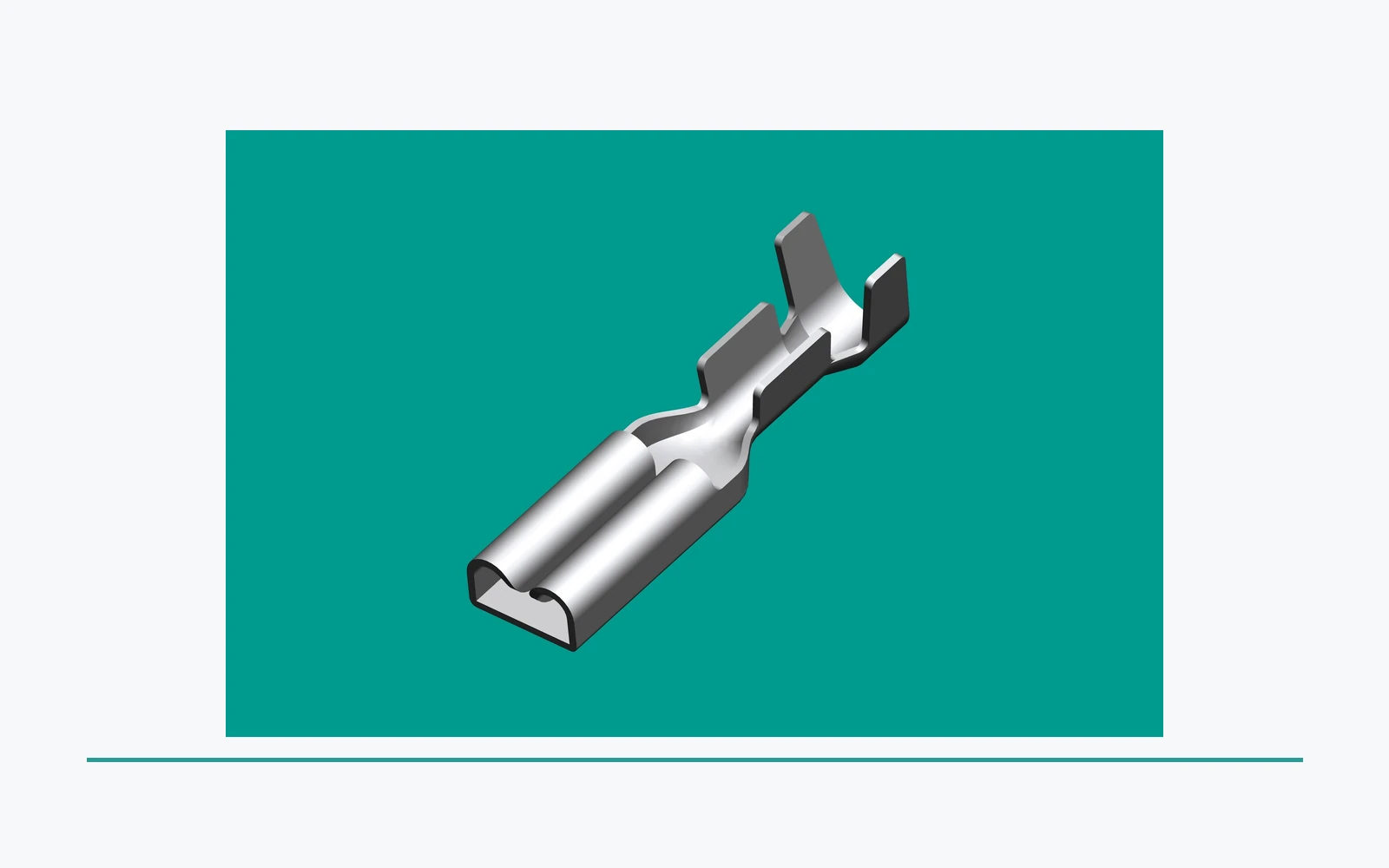
Keep three records separate during review: the static envelope when fully mated, the swept path during mating and unmating, and the space needed to operate the retention or release feature. If a test is required, define the assembly, sequence, environmental conditions, and acceptance limits before commissioning it. A test method or a supplier statement is not, by itself, proof that a finished product has been approved.
How do routing and replacement scope change the decision?
Harness routing, support points, bend space, adjacent hardware, and access paths can affect a replacement concept even when the connector outline appears unchanged. Review the entire installed assembly so that cable loads, wire departure direction, and enclosure contact are not omitted from the interface decision.
Define whether the request is a like-for-like replenishment, a documented alternate, or a broader equipment change. A like-for-like request still needs revision and traceability; an alternate needs a difference review; a broader change may reopen harness, enclosure, thermal, insulation, and service documentation work.
Routing can also change the conditions under which current capability is assessed. IEC 60512-5-2:2002 describes a current-temperature derating test method at elevated ambient temperature. Its scope does not supply a universal current rating or installed-assembly derating curve. Keep thermal evidence tied to the actual configuration, and reopen that review when the route, nearby heat sources, wire arrangement, or enclosure changes.
| Observed condition |
Decision question |
Next controlled action |
| Release is visible but a cover or adjacent part blocks tool access |
Can the approved service sequence reach and operate the feature? |
Update the installed access view and service procedure before selecting a substitute. |
| Candidate has a similar housing or latch |
Do the specified mate, keying, envelope, release path, and records match? |
Request exact drawings and document every difference against the released interface. |
| Harness route or enclosure changes |
Could access, loading, thermal conditions, or protection assumptions change? |
Reopen the affected mechanical, thermal, environmental, and service checks. |
| Evidence is a generic test report or catalogue statement |
Does it cover this assembly, mate, configuration, method, and acceptance basis? |
Hold the decision open and request application-specific evidence. |
What belongs in a serviceability RFQ package?
Provide controlled inputs rather than asking for a generic “service quick connector.” The package should let a supplier answer against the correct interface and should state what evidence the program needs to consider.
| Inquiry item |
Purpose |
Send with RFQ |
| Connector and mating definition |
Establishes the interface to be compared |
Current drawings, keying, and revision |
| Access and routing |
Identifies serviceability constraints |
Enclosure, routing, support, and clearance layout |
| Replacement scope |
Differentiates replenishment from a change |
Intended application and component-change context |
| Evidence and records |
States the project’s review needs |
Sample objective, requested records, and change notice |
Ask the supplier to answer against the submitted drawing revision and identify deviations explicitly. A useful response separates a proposed component, its specified mate, application evidence, and any limitations. It should not collapse a serviceability decision into a same-latch or same-pitch comparison. Include the intended service context and requested records so procurement can compare documentation and review effort as well as unit cost.
Where replacement planning includes wire preparation or termination work, identify the applicable workmanship document and controlled revision separately from connector test evidence. The public IPC Standards Revision Table lists IPC/WHMA-A-620, Requirements and Acceptance for Cable and Wire Harness Assemblies. That listing verifies the document identity and revision history only; it does not disclose acceptance criteria, authorize field retermination, or confirm that a proposed process is suitable. Obtain the actual specified document and supplier instructions before treating such work as part of a replacement method.
When should a system change reopen the review?
A change to the connector, mating part, latch, keying, access cover, harness route, enclosure, or intended service scope can affect the original decision. Document the difference and route it through the responsible engineering and service process before relying on prior records. This prevents a proposed substitute from being treated as routine simply because its release feature looks familiar.
Keep the changed-input review proportional to the change, but do not assume that evidence transfers automatically. IEC 60512-1 requires detail specifications to define the selected tests and limits; a report using a different mating pair or installation may not answer the new question. For a related interface review, see RAST Connectors on Appliance PCBs: Review Layout, Mating, and Retention.
Which changes invalidate an earlier serviceability decision?
- A new housing, mate, latch, keying feature, or orientation requires a complete interface and release comparison.
- A new wire exit, support point, harness route, or enclosure can change access, loading, thermal conditions, and protection assumptions.
- A new service location or procedure requires the responsible team to recheck authorization, tooling, records, and training boundaries.
- A new test report must be mapped to its method, severity, assembly, configuration, and acceptance basis before it closes a gap.
How can buyers prepare a controlled ZUCH inquiry?
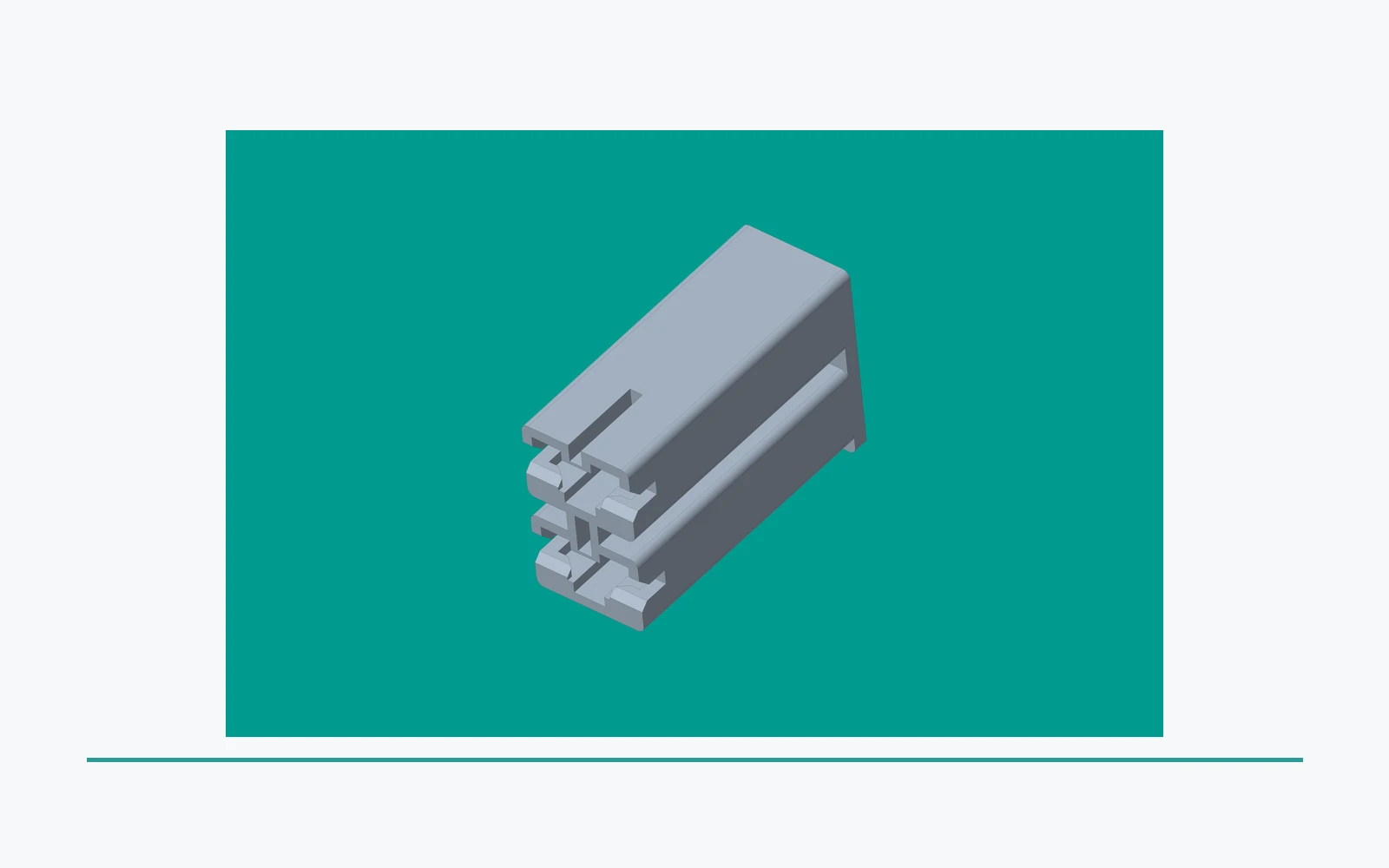
The ZUCH Quick-Connector page is a commercial discovery point for connector-family discussions. It does not confirm a field replacement method, service approval, fit, validation, availability, or suitability for a finished product.
For a serviceability-focused inquiry, send controlled connector and mating drawings, access and routing constraints, replacement scope, sample objective, requested records, and change-control requirements through the sample request route. The quick connector versus permanent crimp comparison provides a separate interface-selection lens. ZUCH’s public route can start the conversation; the responsible engineering team still decides whether evidence closes the application review.
What do buyers ask about quick-connectors for serviceable assemblies?
Does a quick connector make an assembly serviceable?
Not by itself. Serviceability depends on the released interface, access path, routing, equipment documentation, authorized process, and evidence required for the intended application.
Can this article tell me how to replace a connector?
No. Only qualified personnel using the equipment-specific controlled procedure and applicable safety program may perform service actions. This article defines review inputs, not an intervention authorization or work instruction.
Review the controlled mating interface, enclosure, covers, clearance, routing, support, orientation, release movement, and the organization’s service documentation. Use an installed assembly view rather than an isolated product image.
Why does harness routing affect replacement planning?
Routing can limit access, obstruct release, transmit loads, change the wire exit, or alter local thermal conditions. Review the actual supported route and reopen thermal or mechanical checks when the route changes.
Can a part with a similar latch be used as a replacement?
Not without a controlled comparison. Check the specified mate, keying, envelope, release path, routing, revision, and application evidence; a similar latch appearance does not establish interchangeability.
What records support serviceability review?
Relevant records can include controlled drawings, installed access layouts, revision history, service procedures, evaluation evidence, and approved change notices. IEC 60512-1 can help structure a test request, but the detail specification and application records define what closes it.
What belongs in a quick-connector inquiry?
Include the controlled connector and mating drawings, access and routing constraints, replacement scope, sample objective, requested records, and change-control expectations. State the installed configuration so a supplier does not answer against a generic family description.
Does a test method prove that a replacement is approved?
No. IEC 60512-1 identifies the generic testing framework, while the detail specification establishes method, severity, and limits. The evidence must still match the exact connector pair, assembly, conditions, and responsible organization’s acceptance basis.
References
- IEC 60529:1989+A1:1999+A2:2013 — Official IEC catalogue scope for degrees of protection provided by enclosures (IP Code); it supports an enclosure-classification discussion, not service authorization or connector interchangeability.
- IEC 60512-1:2018 — Generic connector test and measurement framework; detail specifications establish selected tests, severity, and permissible performance limits.
- IEC 60512-5-2:2002, Test 5b — Current-temperature derating method at elevated ambient; it does not provide a universal quick-connector rating or an installed-system result.
- IPC Standards Revision Table — Public identities and revision listings for IPC assembly documents; it does not disclose paid workmanship clauses or prove this connector’s process suitability.
Conclusion
A quick connector becomes a useful serviceability option only when the complete interface and its operating context are controlled. Start with the exact connector, specified mate, drawing revisions, and approved service boundary. Then verify the installed access path, release movement, housing envelope, harness route, support, and enclosure conditions. Classify the request as like-for-like, alternate, or broader equipment change, and ask for evidence that matches the actual pair and configuration. Keep enclosure protection, thermal capability, and connector testing as separate reviews; no catalogue statement or generic test method substitutes for application acceptance. Reopen the review when routing, covers, mating parts, or service scope changes. ZUCH’s Quick-Connector and sample-request routes can organize a documented supplier discussion, while the responsible engineering team retains the final approval decision.
 Zhejiang ZUCH Technology Co., Ltd.