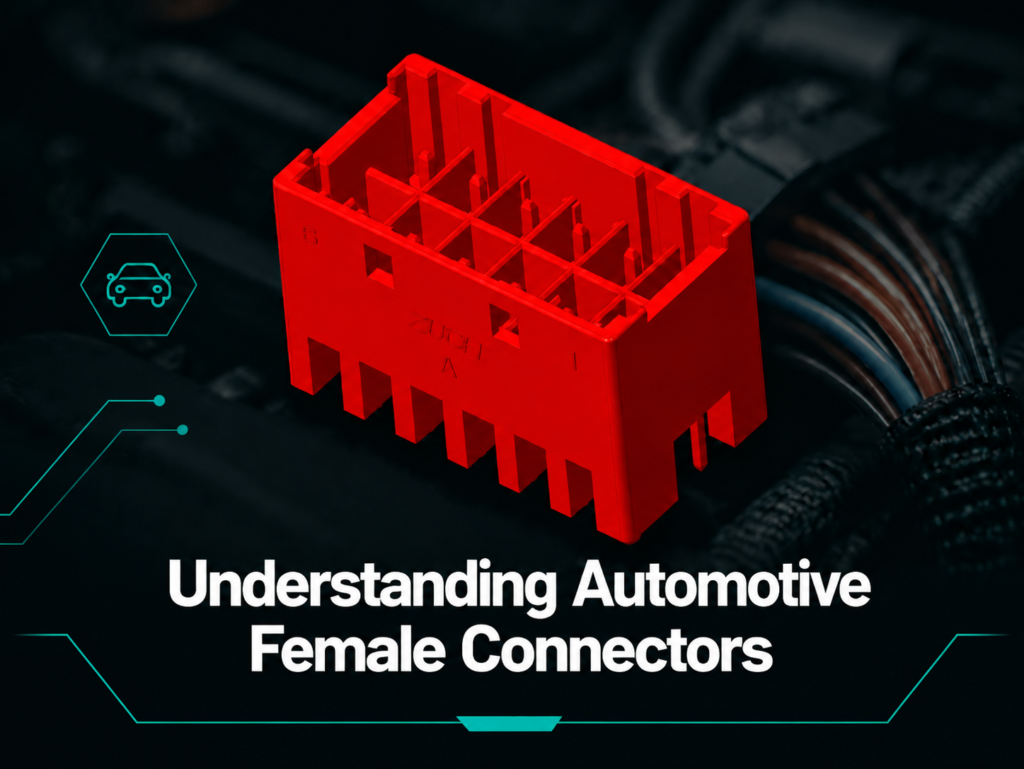
Understanding Automotive Female Connectors
When you think about modern automotive technology, it’s not just Bluetooth and Wi-Fi connectivity that matter; instead, connectivity also occurs at the heart of a modern car—the electrical wiring system’s physical connectors, known as female automotive connectors, which connect parts of the vehicle to complete an electrical circuit. Ultimately, they form the basis for a complete, reliable, safe, and functional driving experience through natural and seamless connections with all vehicle components. As an automotive engineer, automotive DIY person, or consumer shopping for durable automotive connectors, this guide will help you to better understand the importance of female connectors and where they are commonly used and what to look for when purchasing female connectors for your vehicle’s specific requirements.
What Are Female Automotive Connectors?
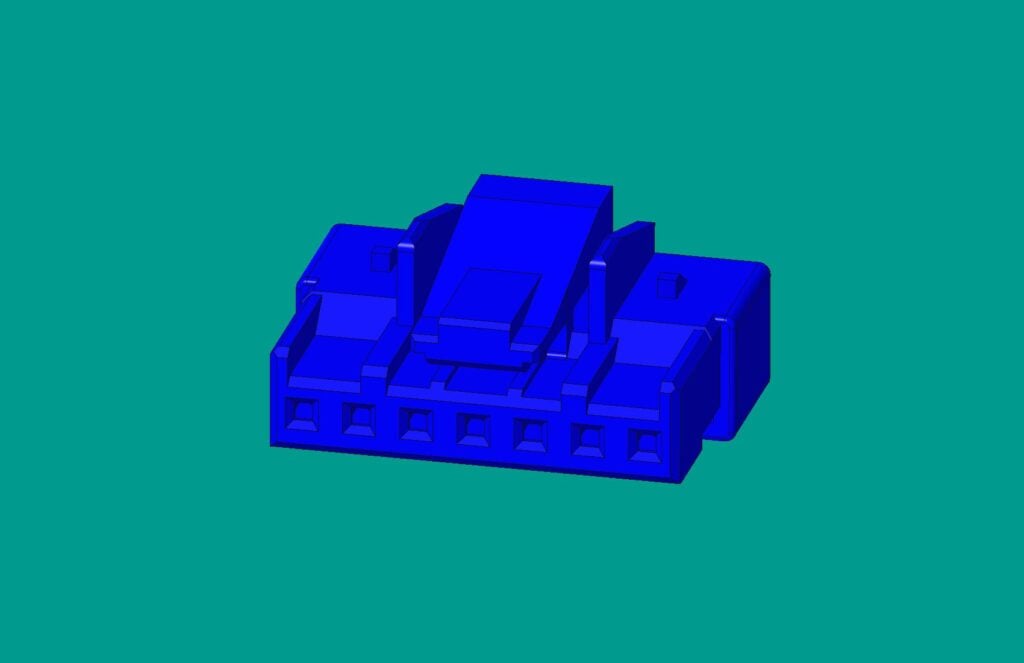
Female connectors are electrical connections that mate with male connectors to complete an electric circuit. In automotive applications, female electrical connectors are used in automotive wiring harnesses and other installed systems requiring reliable electrical connections. To form the connection, a female connector is typically a socket, and when the prongs from a male connector are inserted into the female connector assembly, it creates a durable, dependable connection that can withstand shock, vibration, and temperature changes that occur in a typical motor vehicle application.
Female automotive connectors are commonly used in wiring harness assemblies to transmit both power and signal. When connected to their corresponding male connector assemblies, female connector assemblies provide a stable electrical connection without interruption so that the various systems of a vehicle will be safe and operate efficiently.
Where Can Male and Female Automotive Connectors Be Found?
Both male and female automotive connectors can be found throughout the electrical architecture of an automotive vehicle:
- Engine and Electrical System: Female connectors are used to connect various components of the engine to the sensing, controlling, and actuating functions of the engine. This allows for real-time monitoring and adjustments to be made to the system to achieve optimal performance.
- Lighting System: All exterior lighting, including headlights, turn signals, brake lights, and interior lights, requires the use of properly mated male and female connectors for these systems to work.
- Infotainment and Communication Systems: All audio systems, speakers, and visual displays are reliant on precise electrical connections to function properly.
- Safety Features: Connectors play a critical role in the operation of safety systems such as airbags, anti-lock brake systems, and electronic stability programs. Both male and female connectors provide the means to communicate with other systems within the vehicle.
In addition to the above examples, connectors may also be found in connectorized steering columns, seats, doors, and other components. They can also be used in conjunction with smart modules that will enable the consumer to make changes to the systems without extensive rewiring.
Key Characteristics of Automotive Female Connectors
The following features should be considered when selecting automotive female connectors:
1. Material Quality: Choose connectors made from strong and corrosion-resistant materials. The majority of terminals used in automotive applications are made of metals or polymer-based materials with sufficient strength and corrosion resistance to withstand the rigors of the automotive environment.
2. Contact and Cavity Definition: Match the total and populated cavities, socket-terminal family, conductor range, insulation diameter, cavity map, mating part, and viewing orientation. Pin count alone does not establish compatibility.
3. Environmental Boundary: Select sealing and validation from the actual exposure to splash, dust, salt, fluids, condensation, heat, vibration, and service handling. An IP claim applies only to the tested configuration and conditions; IP68 is not a universal minimum for every vehicle connector.
4. Electrical and Mechanical Performance: Confirm voltage, current under stated conditions, contact resistance, temperature class, retention, mating cycles, wire range, and the applicable validation method. Connector performance is not expressed as one rating measured in kelvin.
5. Ease of Installation: Connectors should have a design that allows them to lock or snap into place easily for installation and repair.
Male vs Female Connectors
The primary distinction between male and female connectors is the design of each. Male connectors include prongs that insert into female connector sockets. Conversely, female connectors feature the receptacles or ports that accept the male connector prongs.
The design of male and female connectors ensures a secure fit and enables reliable electric current transmission between devices. Pairing male and female connectors is essential to the functioning of all automotive systems.
Applications of Automotive Female Connectors in the Industry
The automotive industry uses female connectors in a wide range of applications beyond just standard vehicle use. Some examples include:
- Electric Vehicles (EVs): With batteries, the electric vehicle battery management system (BMS) utilizes connectors, along with motor controllers and onboard chargers.
- Heavy-Duty Vehicles: Trucks, buses, and construction vehicles require heavy-duty connectors to support the operation of complex electrical systems in rugged conditions.
- Aftermarket Modifications: Many aftermarket modifications, such as audio systems, LED lighting, and dash cameras, rely on male and female connectors for quick integration.
The Female Contact Is a Spring System, Not Just an Empty Hole
The socket terminal must maintain normal force against the mating pin or blade while surviving vibration, temperature cycling, mating, and service. A female contact can look clean and still be unreliable if its spring beams are spread, plating is damaged, the terminal is partly backed out, or the wire crimp is compromised. Do not probe a socket with an oversized test pin; it can permanently reduce contact force.
| Failure clue | Possible mechanism | What to inspect |
|---|
| Intermittent operation during vibration | Low contact force, terminal back-out, damaged lock, fretting | Socket geometry, primary lance, secondary lock, mating witness marks |
| Heat discoloration at one cavity | High resistance from poor crimp, weak contact, contamination, or partial mating | Crimp, conductor strands, contact surface, cavity seating, load and wire size |
| Water or corrosion behind the seal | Wrong seal, missing cavity plug, damaged seal land, capillary path | Wire insulation diameter, rear seal, unused cavities, housing damage |
| Terminal pushes backward during mating | Incorrect terminal, damaged retention lance, secondary lock not engaged | Part number, insertion depth, pull/retention check, lock position |
How to Specify an Automotive Female Connector Without Ambiguity
- Identify the mating male terminal and housing from a controlled drawing.
- Record the socket-terminal family, contact size, plating, wire range, and insulation support.
- Declare the cavity map and whether the drawing shows the mating face or wire-entry face.
- Include housing key, latch, secondary lock, wire seals, cavity plugs, rear cover, and strain relief.
- Define electrical load, temperature, vibration, fluids, sealing, mating-cycle, and service requirements.
- Verify crimp, terminal retention, mating, continuity, and any application-specific voltage-drop or environmental tests.
Current Standards Context for Repairable Harness Connectors
ISO 8092-2:2023 covers terminology, test methods, and general performance requirements for specified voltage class A harness connectors that are disconnected for repair and maintenance. ISO 8092-5:2021 remains current after ISO confirmed it in 2026. These documents provide a test framework within their scope; they do not identify a replacement socket terminal or prove that two housings are interchangeable.
FAQs About Automotive Female Connectors
What Are Automotive Female Connectors?
Female connectors are designed to snap into place with male connectors to complete the circuit and transmit electricity and data between different parts of the electrical system.
Where Are Automotive Male and Female Connectors Found?
Automotive male and female connectors are found in nearly all automotive systems, including the engine, lighting, infotainment, safety features (such as airbags and anti-lock braking systems (ABS)), electric vehicles, and heavy-duty vehicles.
How can I tell whether a socket terminal has lost contact tension?
Possible signs include intermittent operation, heat at one cavity, abnormal voltage drop, weak drag against the specified test or mating pin, or visible spring damage. Use the manufacturer or vehicle service procedure; do not spread or reshape the contact by guesswork.
Can I test a female automotive terminal with a regular multimeter probe?
An oversized probe can deform the socket. Use the specified breakout lead, terminal test adapter, or back-probing method that avoids damaging the contact and seal.
Why does a female terminal push out when the connector is mated?
The terminal may be the wrong part, incompletely inserted, fitted with a damaged retention lance, or blocked by an incorrectly positioned secondary lock or seal. Remove power and inspect the released assembly instructions.
Can I replace only the female terminal instead of the whole connector?
Yes when the housing, cavity, lock, seal interface, wire, and mating part remain serviceable and the correct terminal and tooling are available. Replace the housing or approved pigtail when those supporting features are damaged.
Does a female connector need an IP68 rating?
Not universally. The required ingress protection depends on the installation and the tested, fully assembled mating system. Confirm the exact configuration, exposure, test conditions, and vehicle requirements.
If you’re looking for wholesale suppliers or manufacturers of automotive connectors, it’s essential to ensure that the manufacturer’s products conform to regulation standards such as ISO and SAE to ensure safety and performance.
To summarize, automotive female connectors facilitate the secure transfer of electricity and signals between different automotive systems, making them essential components of all modern automotive systems. Female connectors are important components in both conventional vehicles and electric vehicles. By understanding the essential attributes of automotive female connectors and their uses within the automotive industry, you can be confident that your automotive electrical systems will operate reliably and continue to be operational for many years.
Final Takeaway: A Female Connector Is More Than Its Housing
The socket contact, spring force, crimp, terminal retention, secondary lock, seal, wire, and mating pin work as one interface. Selecting and diagnosing the complete system helps prevent terminal back-out, intermittent contact, localized heating, and replacement parts that fit the shell but not the application.
References and Further Reading
- ISO 8092-2:2023 — road-vehicle harness connector terminology and tests
- ISO 8092-5:2021 — confirmed current in 2026
- Molex — Connector Fundamentals: Gender, Polarization, Keying and Mating
- TE Connectivity — Automotive connector housings catalog
- IPC/WHMA-A-620 cable and wire-harness acceptance resource
 Zhejiang ZUCH Technology Co., Ltd.