When you think about modern automotive technology, it’s not just Bluetooth and Wi-Fi connectivity that matter; instead, connectivity also occurs at the heart of a modern car—the electrical wiring system’s physical connectors, known as female automotive connectors, which connect parts of the vehicle to complete an electrical circuit. Ultimately, they form the basis for a complete, reliable, safe, and functional driving experience through natural and seamless connections with all vehicle components. As an automotive engineer, automotive DIY person, or consumer shopping for durable automotive connectors, this guide will help you to better understand the importance of female connectors and where they are commonly used and what to look for when purchasing female connectors for your vehicle’s specific requirements.
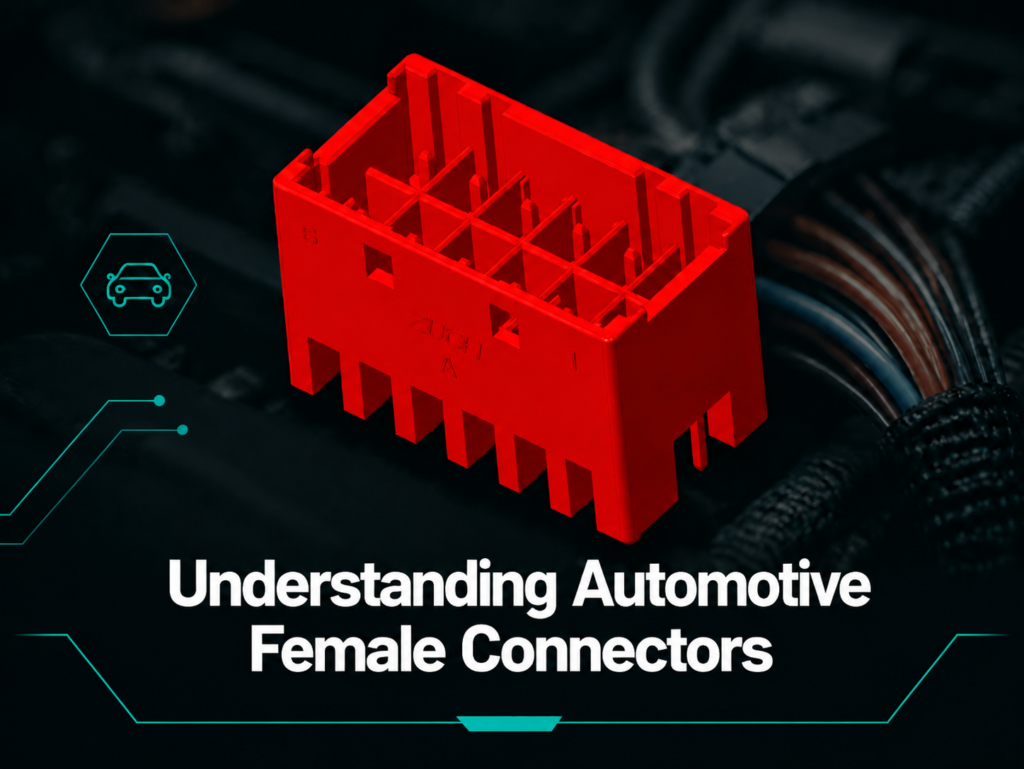
What Are Female Automotive Connectors?
Female connectors are electrical connections that mate with male connectors to complete an electric circuit. In automotive applications, female electrical connectors are used as part of many installed systems requiring reliable electrical connections. To form the connection, a female connector is typically a socket, and when the prongs from a male connector are inserted into the female connector assembly, it creates a durable, dependable connection that can withstand shock, vibration, and temperature changes that occur in a typical motor vehicle application.
Female automotive connectors are commonly used in wiring harness assemblies to transmit both power and signal. When connected to their corresponding male connector assemblies, female connector assemblies provide a stable electrical connection without interruption so that the various systems of a vehicle will be safe and operate efficiently.
Where Can Male and Female Automotive Connectors Be Found?
Both male and female automotive connectors can be found throughout the electrical architecture of an automotive vehicle:
- Engine and Electrical System: Female connectors are used to connect various components of the engine to the sensing, controlling, and actuating functions of the engine. This allows for real-time monitoring and adjustments to be made to the system to achieve optimal performance.
- Lighting System: All exterior lighting, including headlights, turn signals, brake lights, and interior lights, requires the use of properly mated male and female connectors for these systems to work.
- Infotainment and Communication Systems: All audio systems, speakers, and visual displays are reliant on precise electrical connections to function properly.
- Safety Features: Connectors play a critical role in the operation of safety systems such as airbags, anti-lock brake systems, and electronic stability programs. Both male and female connectors provide the means to communicate with other systems within the vehicle.
In addition to the above examples, connectors may also be found in connectorized steering columns, seats, doors, and other components. They can also be used in conjunction with smart modules that will enable the consumer to make changes to the systems without extensive rewiring.
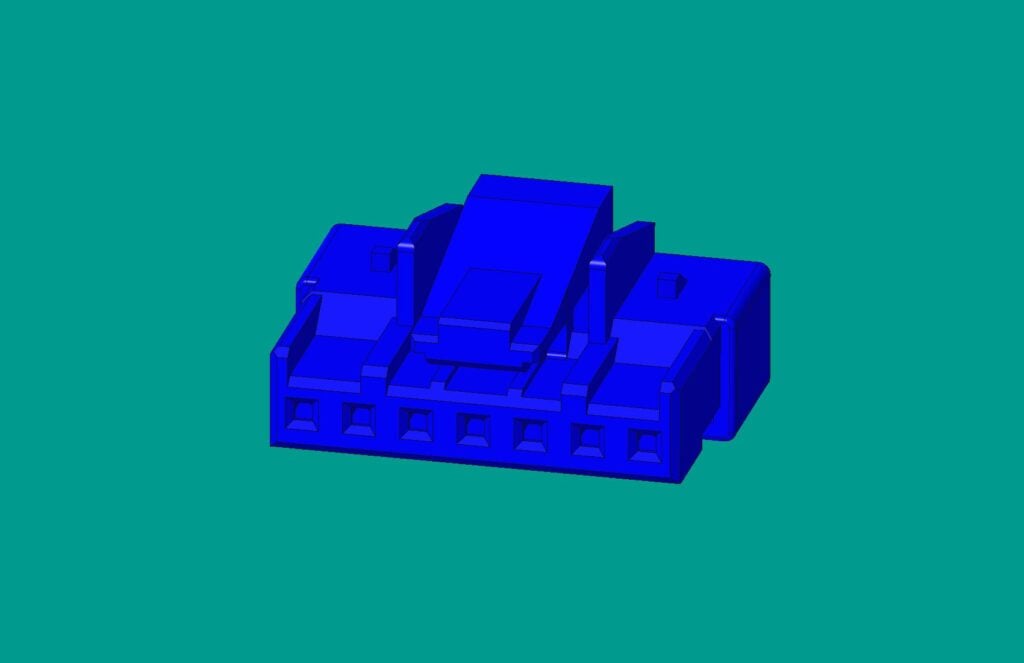
Key Characteristics of Automotive Female Connectors
The following features should be considered when selecting automotive female connectors:
1. Material Quality: Choose connectors made from strong and corrosion-resistant materials. The majority of terminals used in automotive applications are made of metals or polymer-based materials with sufficient strength and corrosion resistance to withstand the rigors of the automotive environment.
2. Terminal Pin Count: Ensure that the connector pin count matches that of the wire you are soldering to, enabling a successful connection.
3. Connector Ratings: Look for a connector with a rating of at least IP68 if the vehicle is to be used in extreme weather environments.
4. Performance Rating: Select connectors that have the highest performance rating (usually measured in kelvin) to ensure reliability and compatibility with your wiring system.
5. Ease of Installation: Connectors should have a design that allows them to lock or snap into place easily for installation and repair.
Male vs Female Connectors
The primary distinction between male and female connectors is the design of each. Male connectors include prongs that insert into female connector sockets. Conversely, female connectors feature the receptacles or ports that accept the male connector prongs.
The design of male and female connectors ensures a secure fit and enables reliable electric current transmission between devices. Pairing male and female connectors is essential to the functioning of all automotive systems.
Applications of Automotive Female Connectors in the Industry
The automotive industry uses female connectors in a wide range of applications beyond just standard vehicle use. Some examples include:
- Electric Vehicles (EVs): With batteries, the electric vehicle battery management system (BMS) utilizes connectors, along with motor controllers and onboard chargers.
- Heavy-Duty Vehicles: Trucks, buses, and construction vehicles require heavy-duty connectors to support the operation of complex electrical systems in rugged conditions.
- Aftermarket Modifications: Many aftermarket modifications, such as audio systems, LED lighting, and dash cameras, rely on male and female connectors for quick integration.
FAQs About Automotive Female Connectors
What Are Automotive Female Connectors?
Female connectors are designed to snap into place with male connectors to complete the circuit and transmit electricity and data between different parts of the electrical system.
Where Are Automotive Male and Female Connectors Found?
Automotive male and female connectors are found in nearly all automotive systems, including the engine, lighting, infotainment, safety features (such as airbags and anti-lock braking systems (ABS)), electric vehicles, and heavy-duty vehicles.
If you’re looking for wholesale suppliers or manufacturers of automotive connectors, it’s essential to ensure that the manufacturer’s products conform to regulation standards such as ISO and SAE to ensure safety and performance.
To summarize, automotive female connectors facilitate the secure transfer of electricity and signals between different automotive systems, making them essential components of all modern automotive systems. Female connectors are important components in both conventional vehicles and electric vehicles. By understanding the essential attributes of automotive female connectors and their uses within the automotive industry, you can be confident that your automotive electrical systems will operate reliably and continue to be operational for many years.
 Zhejiang ZUCH Technology Co., Ltd.