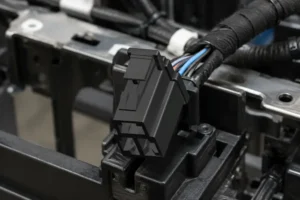
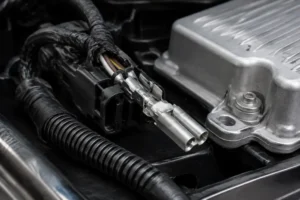
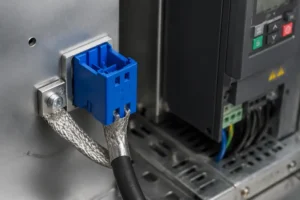
Automobile wiring connectors play a very important part in the operation of a car’s electrical system. They help to connect sensors, lighting, and supply power to various electronic components of a vehicle. Selecting the appropriate type of automobile wiring connector for your vehicle can enhance durability and improve performance.
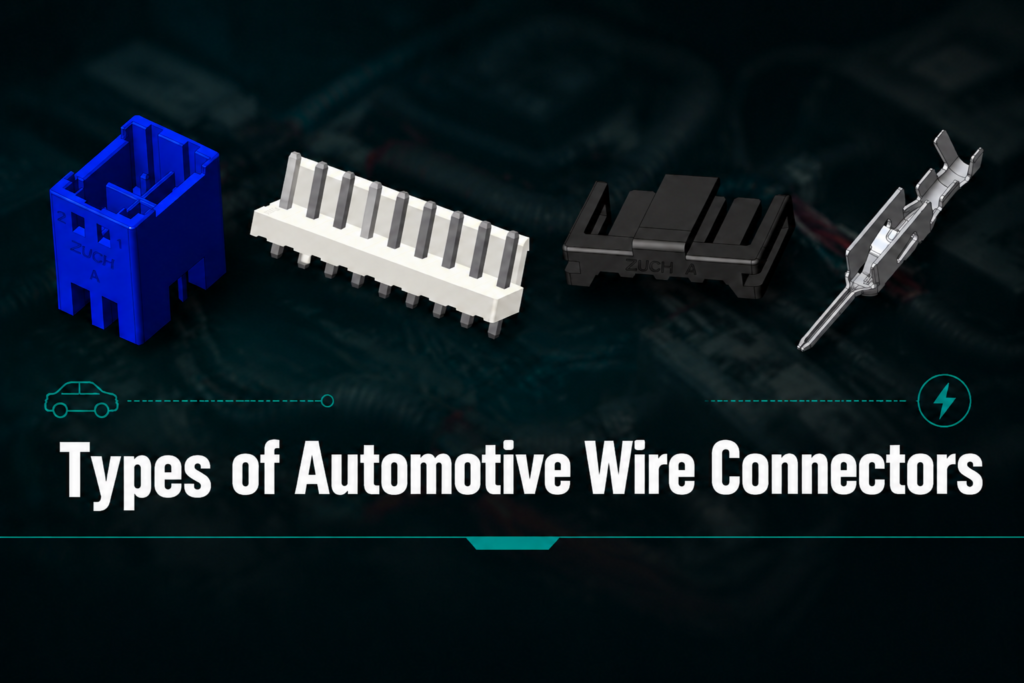
What Are Automotive Wire Connectors?
Automobile wiring connectors are electrical components used to attach wires or terminate electrical circuits in an automobile. They create protection from the elements (water, dirt, and heat) and maintain the electrical properties of the wire connection. Therefore, it is critical that you select the appropriate type of wiring connector for the reliability and efficiency of your automobile’s electrical system.
Common Types of Automotive Wire Connectors
There are various types of connectors available for automotive wiring; these different types of connectors are manufactured for specific uses. Below are the most common types:
1. Butt Connectors
Butt connectors allow you to join two wires end to end, and are available in a number of different configurations, including insulated and uninsulated. These connectors are suitable for making repairs to automotive wiring, extending wires, and ensuring reliable and stable connections for your vehicle’s electrical system.
2. Quick-Disconnect Connectors
Quick disconnect connectors are frequently found in applications where the connector will be connected and disconnected many times. They have very simple installation, and support many mating cycles, making them ideal for locations where you will need access to service the component.
3. Terminal Connectors
Terminal connectors include ring terminals, spade terminals, and bullet terminals. These types of connectors are used to connect wires to physical components such as relays, screws, switches, and more. The strength of these types of connectors also provides additional stability for making connections in situations with high vibration impact.
4. Heat Shrink Connectors
Heat shrink connectors offer superior protection from moisture, corrosion, and other contaminants. The tubing used in these types of connectors will shrink under high temperatures, providing a snug, insulated seal around the electrical connection.
5. Waterproof Connectors
Waterproof connectors have been designed for use in applications that are subject to exposure from moisture. They are typically used on parts in an automobile that are subject to water exposure; for example, when using outdoor lights or with components under a hood.
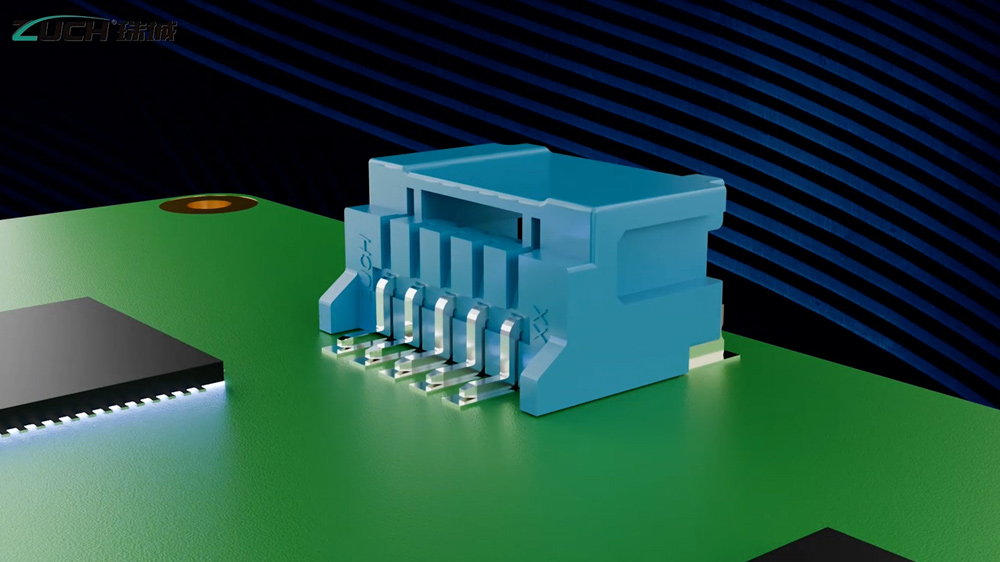
Wire Connector Material Options for Use in Automotive Applications
The materials used in wire connectors directly affect the longevity and performance of each connector. Some of the commonly used material options include the following:
Copper: Copper is the most common metal used for tip connectors in automotive applications because of its high conductivity and reliability to allow an efficient flow of electricity.
Brass: Brass connectors are highly resistant to corrosion and therefore have a very long lifespan. Due to their ability to function reliably under heavy loads, brass connectors are typically used in high-demand applications.
Plastic: Plastic connectors are often constructed from insulated plastic materials that provide additional barrier protection against moisture and other contaminants.
How to Choose the Right Connectors
Selecting the appropriate connector for your automotive application can seem like an overwhelming task. However, it is very important for your automotive vehicle’s safety and efficient operation. The following steps will guide you through the process of selecting the appropriate connector(s) for your automotive application:
1. Assess the Application: If possible, find out what the connector will be used for and where the connector will be installed. This is the best way to start the connector selection process. The elements of moisture, vibration, or heat should help determine what type of wire connectors to use.
2. Match Wire Gauge: Ensure that the connector size is appropriate for the wire gauge you are using to avoid overusing a small or large connector and causing wear to the connector from an improper connection.
3. Consider Insulation: If your application will be exposed to harsh environments, use insulated or water-resistant connectors for added protection.
4. Think About Ease of Installation: Some connectors can be complex and take time to install. Evaluate your abilities and tools that will be needed to find the best option for your application.
Applications of Automotive Wire Connectors
Automotive wire connectors are used in many parts of an automobile, including:
Lighting Systems: This type of connector is required to connect positive and negative terminals to headlights, taillights, and interior lights.
Sensors: Connectors are required to connect sensors to the vehicle’s Electronic Control Unit (ECU), allowing the ECU to measure and regulate conditions within the vehicle.
Entertainment Systems: Connectors are necessary for connecting the stereo system, DVD players, and video screens.
Power Distribution: Connectors are necessary to connect the power supply (e.g., battery and alternator) to an electrical component.
FAQs About Automotive Wire Connectors
How to Select Wire Connectors?
When selecting wire connectors, consider the application, environmental exposure, wire gauge, and ease of installation. Waterproof and heat-shrink connectors are best suited for moisture exposure.
Can Electrical Tape Be Used in Place of Connectors?
Electrical tape can only provide a temporary connection and cannot give the same type of secure connection that a quality automobile connector will give you.
Are All Wire Connectors Alike?
No, there are different types of connectors for different applications; for example, butt connectors are used for connecting two wires and quick disconnect connectors are used for providing temporary connections.
By understanding your vehicle’s electrical requirements and selecting the correct connectors, you can help ensure that your vehicle is reliable. By selecting quality connectors, you will experience a safe product, a long lifespan of your connectors, and decreased costs for repairs due to replacing faulty connectors. By learning about the various types of automotive wire connectors, their materials, and their applications, you are paving the way to an efficient vehicle. Feel free to ask automotive professionals or refer to your vehicle owner’s manual for further advice.
 Zhejiang ZUCH Technology Co., Ltd.