Best Wire Connectors for Automotive
Quick Answer: The best automotive wire connector is the one matched to the circuit load, wire size and construction, terminal system, installation tooling, and exposure to heat, vibration, moisture, and fluids. For serviceable multi-wire connections, use a compatible terminal-and-housing system; for an approved in-line repair, a correctly crimped splice with application-appropriate sealing is usually more dependable than choosing a connector by brand name alone. Follow the vehicle or equipment manufacturer’s repair information whenever it specifies the connector, splice method, or validation checks. For a related technical topic, see What Are The Best Automotive Wire Connectors.
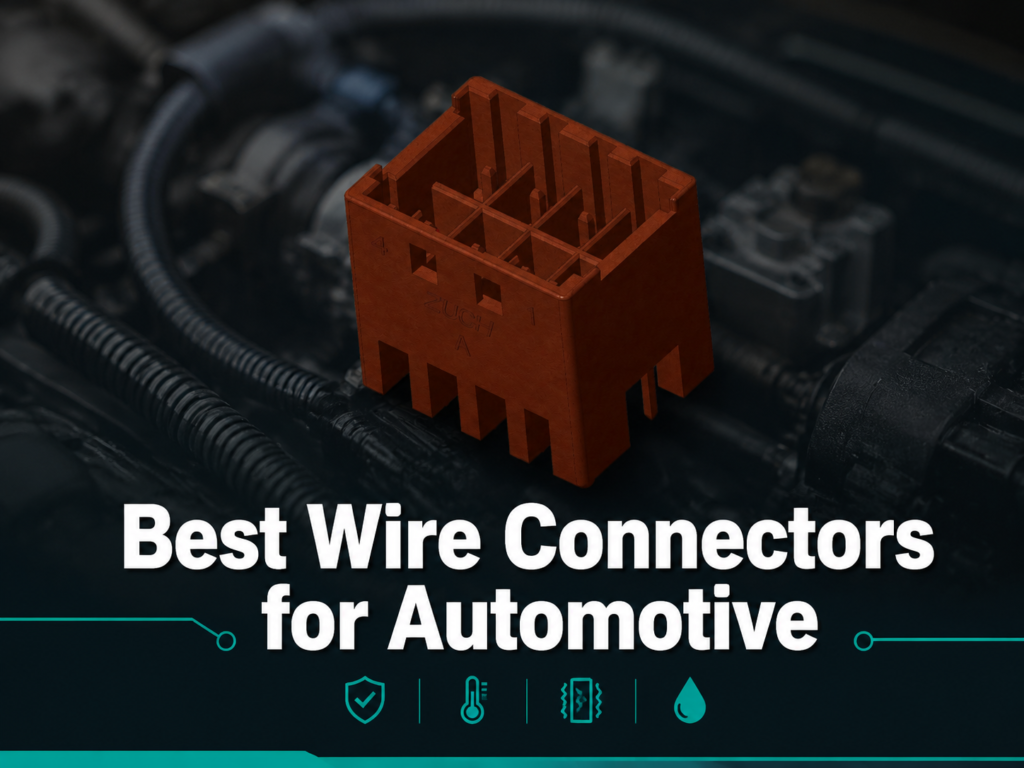
Wire connectors are extremely important when it comes to automotive systems. These connectors provide electrically secure, dependable, efficient, and safe connections among several parts of the automotive electrical system. The significance of using appropriate wire connectors cannot be overstated, whether you’re an expert or a novice do-it-yourselfer. This article will cover everything you need to understand regarding automotive wire connectors, as well as related tools and materials that can help make your installation as efficient as possible.
Importance of Quality Wire Connector Products in the Automotive Industry
Any car with electrical systems, such as lights, battery, sensors, etc., relies on large electrical systems. Therefore, quality wire connectors offer low resistance and guaranteed electrical conduction, thereby ensuring minimal risk of electrical failure. Poor wire connector quality can lead to large electrical problems, including failure and expensive repairs, and even loss of safety. Good wire connector products not only ensure the electrical reliability of the connection but also save time spent on repair and downtime due to repair.
Types of Automotive Wire Connectors
There are various types of automotive wire connectors, each designed for a specific use. Listed below are some of the most common types of automotive wire connectors:
Butt Connector: Used for connecting two wires together in a straight line. Commonly used for repair or extension.
Quick Disconnect Connectors: These are typically used for temporary connections that can be easily disengaged, especially in automotive applications when testing parts is required.
Heat Shrink Connectors: These provide excellent insulation and protection from moisture and work very well in outdoor and high-vibration environments.
Terminal Connectors: Terminal connectors are primarily used to connect wires to equipment such as connecting batteries and grounding wires.
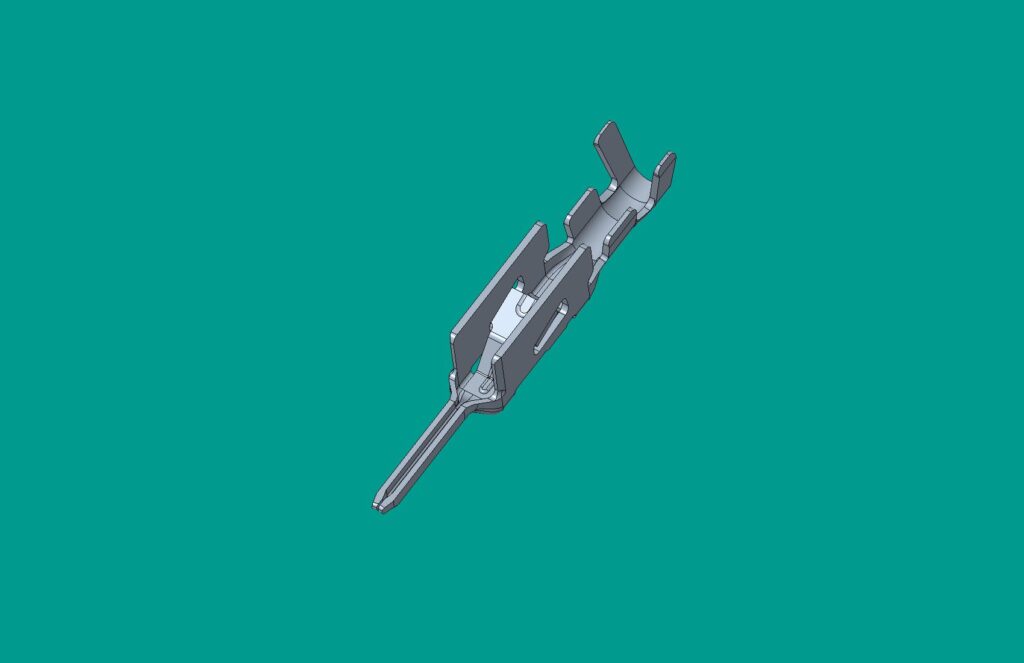
When choosing a connector option, keep in mind your specific application and the environment in which it will be installed. Examples of considerations include temperature, moisture, and vibration.
Connection Methods: Where Each Option Fits
A connector type and a joining process are not interchangeable decisions. Use the application drawing or repair information to confirm whether the joint must be separable, sealed, keyed, strain-relieved, or installed with a specified tool.
| Connection method |
Typical use |
Advantages |
Key limits and checks |
| Crimped terminal in a connector housing |
Serviceable multi-circuit harness connections |
Keying, terminal retention, organized mating, and optional sealing when the complete system supports it |
Housing, terminal, seal, wire range, cavity position, and crimp tooling must belong to a compatible system |
| Insulated butt splice |
Permanent in-line repair or wire extension where the approved procedure allows it |
Compact and straightforward when correctly sized and crimped |
Match conductor size and insulation support; add only the sealing method required by the application |
| Heat-shrink crimp splice |
In-line repair needing added environmental protection |
Combines a mechanical crimp with a heat-shrink outer layer |
The crimp must be made before shrinking; verify adhesive, temperature, fluid exposure, and repair-procedure compatibility |
| Solder-seal sleeve |
Selected repairs when the manufacturer permits the process and heat can be controlled |
Combines solder and sealing in one sleeve |
Heating, solder flow, conductor support, and vibration suitability require process control; it is not a universal replacement for a specified crimp |
| Quick-disconnect terminal |
Components that need planned disconnection for service |
Fast connection and removal |
Confirm current, retention, touch protection, polarization, and environmental exposure; an unsealed terminal may be unsuitable in a wet zone |
Recommendations – Wire Connectors for Automobiles
The following are recommended wire connectors for automobiles:
1. TICONN Heat Shrink Wire Connectors: TICONN heat shrink wire connectors provide reliable performance, water resistance, and excellent insulation.
2. Wirefy Heat Shrink Connectors: Wirefy Heat Shrink connectors are durable, easy to use, and ideal for use at the professional level for automotive work.
3. Sopoby Solder Seal Wire Connectors: Sopoby solder seal wire connectors come with pre-installed solder, and heat-shrink tubing making for secure connections without crimping.
4. Qibaok Crimp Terminal Connectors: Qibaok crimp terminal connectors provide quality insulation that offers a safe connection when used in an automotive situation.
Procurement note: These named products are examples retained from the original article, not a universal ranking or evidence that every item is suitable for every vehicle circuit. Before purchase, verify the exact part number, conductor range, tooling, environmental limits, technical documentation, and approval under the applicable vehicle or equipment repair procedure.
Wire Crimp Tools for Automotive Application Connections
Wire crimp tools are essential tools used when working with automotive connectors, allowing you to accurately compress the wire connector to the wire in a secure manner. Tools with adjustable pressure features or different head sizes for crimping will work for various types and sizes of connectors. Common choices are:
IWISS Crimping Tool: This tool offers both precision and comfort.
Titan Tools Crimping Kit: This kit is flexible since it can accommodate multiple kinds of connectors.
When you try out your wire using a quality wire crimping device, not only do you get the performance benefits of good wire crimping but you’ll also create a connection that will hold up against the rigors of time, extreme temperature, or excessive movement.
A tool name alone does not establish crimp quality. Confirm that the applicator or hand tool is specified for the selected terminal and wire range, then inspect the conductor and insulation crimps according to the supplier’s application specification. The practical sequence in this guide to crimping automotive connectors can help teams define installation and inspection checkpoints.
Important Reasons for Testing Connectors in the Automotive Industry
It’s essential to test wires and connectors used in an automotive application to ensure that they deliver optimal performance and safety. Failure to test wire connectors may result in loose connections, shorts, or corrosion of connectors that are commonly found in the automotive industry due to the typically harsh environmental conditions in which they are located. It also allows you to detect weak connections before they cause a problem and provides for a higher level of reliable connections. The most common methods of testing are continuity testing as well as thermal cycling, both of which replicate “real-world” durability stress on the connectors and allow for an effective evaluation of connector performance under different conditions.
Standards and evidence: IPC/WHMA-A-620 sets requirements and acceptance criteria for cable and wire harness assemblies. It is an assembly standard, not proof that an unspecified connector is certified for a particular vehicle, circuit, or environment. Continuity checks can detect an open circuit but do not by themselves validate crimp geometry, terminal retention, sealing, temperature endurance, vibration performance, or long-term contact stability. Buyers should request the supplier drawing, application specification, relevant test evidence, and any vehicle-program requirements that apply to the exact part and manufacturing process. Supplier overview pages from TE Connectivity, Molex, and Aptiv are useful for understanding automotive connection-system considerations, but they do not substitute for part-specific validation.
Recommendations for Using and/or Selecting Wire Connectors
Here are some tips to consider when selecting a wire connector for your automotive application:
Match wire connectors to wire size: Use connectors compatible with your wire size for a secure fit.
Consider the environment: Use wire connectors that will withstand exposure to moisture, heat, and cold.
Purchase quality wire crimping tools and a reliable heat gun: These items will help you with efficiency as well as reduce the chance of failure during installation.
Follow the manufacturer’s instructions: Proper installation techniques ensure safe and lasting connections.
Automotive Connector Procurement Checklist
| Decision area |
What to specify |
What to request or verify |
| Circuit and load |
Voltage, current profile, signal or power function, duty cycle, and fault protection |
Part-specific ratings and the conditions under which they apply; do not select by cavity count alone |
| Wire compatibility |
Conductor material, cross-sectional area or gauge, strand construction, and insulation diameter |
Approved terminal-to-wire range, strip length, crimp profile, and application tooling |
| Mechanical interface |
Mating part, keying, polarization, latch, terminal retention, mounting, and service access |
Drawings, mating part numbers, terminal position assurance details, and sample-fit confirmation |
| Environment |
Temperature, vibration, moisture, fluids, dust, and engine-compartment or cabin location |
Test method and report conditions relevant to the exact assembly; use this overview of waterproof automotive wire connectors to frame sealing questions |
| Process and quality control |
Manual or automated assembly, production volume, inspection plan, traceability, and repair method |
Application specifications, tool maintenance requirements, acceptance criteria, change control, and sample validation |
| Commercial fit |
Required quantity, packaging, lead time, lifecycle, and replacement availability |
Exact bill of materials, authorized supply route, revision status, and total tooling or rework implications—not unit price alone |
Common Questions (FAQs)
1. How can I find the best wire connectors for my auto project?
To find the best wire connector for your project you will need to consider what type of connection you need (butt, quick-disconnect), wire gauge, and application. If the vehicle you are working on operates in harsh environments, it would be a good idea to use waterproof or heat shrink connectors as this will allow for longevity and protection.
2. What is the difference between crimp and solder-sealed wire connectors?
Crimp connectors are mechanically compressed around the wire using crimp tools, whereas solder-seal connectors use solder and heat shrink, in one step, to create a permanent and secure connection. Both types of connectors are functional but intended for separate projects.
3. Are heat shrink connectors required for automotive wiring?
Heat shrink connectors are used to add more insulation and moisture protection for vehicle applications that may subject wiring to extreme conditions. Although they are not absolutely required in automotive wiring applications, heat shrink connectors are highly recommended for applications where exposure to outdoor elements or high vibration will be an issue.
4. Can wire connectors be reused for automotive wiring?
Wire connectors should generally not be reused for automotive wiring due to the fact that they may have been previously crimped, heat shrunk, or otherwise compromised with previous usage. The reuse of an old connector may create a less than ideal connection and reduce both reliability and safety. In order to ensure proper performance, it is best to utilize new connectors.
5. Do I need a crimping tool to crimp auto wire connectors?
A crimping tool is used to create a secure connection because it tightly compresses the wire to the connector, resulting in a connection that will not loosen or malfunction as time goes on. A crimp tool should be utilized when crimping automotive wiring in order to maintain a durable and reliable wiring connection.
The best wire connectors for automotive applications depend on your own needs. Generally, high-quality connectors such as solder-seal and heat-shrink are ideal for the latest model vehicles. If you are repairing, upgrading, or doing a custom installation, selecting high-quality connectors and using good quality tools will greatly improve the performance and longevity of any automotive connection. You should make connector testing a part of your regular maintenance to ensure a durable and long-lasting connection. Following these tips will assist you in making sure that your electrical connections will be safe and meet industry standards.
Frequently Asked Questions About Automotive Wire Connectors
What is the best way to connect automotive wires?
Use the connection method specified by the vehicle or equipment manufacturer. Where a repair procedure permits a splice, match the terminal or splice to the conductor and insulation, use the specified crimp tool, provide the required strain relief or seal, and inspect the finished joint before returning the circuit to service.
What is the best brand of wire connectors?
There is no single best brand for every automotive circuit. Select an established supplier that can provide compatible housings, terminals, seals, tooling information, drawings, application specifications, and part-specific test evidence; then validate the exact system for the vehicle environment and production process.
What is the best wire for automotive wiring?
The right wire is the automotive-grade conductor specified for the circuit’s current, voltage, temperature, flexing, fluid exposure, routing, and installation method. Confirm conductor material and size as well as strand construction and insulation diameter, because all of these affect terminal compatibility and crimp quality.
What are the different types of automotive wiring connectors?
Common groups include sealed and unsealed multi-pin housings, blade and receptacle terminals, ring and spade terminals, quick-disconnects, and in-line butt splices. The useful distinction is not only shape: compare mating compatibility, terminal retention, sealing, current and signal requirements, mounting, and serviceability.
How to choose the right wire connector?
Start with the circuit and wire specifications, then identify the mating interface, number of circuits, sealing and temperature needs, vibration exposure, mounting constraints, and service requirements. Before ordering, confirm the full compatible bill of materials and tooling, review supplier documents, and validate representative assemblies under the relevant application conditions.
What is the best way to splice automotive wires together?
When splicing is allowed, use the approved splice terminal and process for the wire size and vehicle location. Make the mechanical connection with the specified tool, add only the required environmental protection, support the harness so the splice is not carrying tension, and verify the repair according to the applicable service procedure.
References and Further Reading
The most dependable connection is not the one with the strongest marketing claim; it is the complete wire, terminal, housing, seal, tooling, process, and evidence package that fits the application.
If you are comparing a replacement connector or preparing a production sourcing package, share the mating interface, wire specification, environment, expected volume, and technical documentation requirements with ZUCH Technology. For a structured supplier review, see where to buy automotive electrical connectors and contact the team with the exact application details.
 Zhejiang ZUCH Technology Co., Ltd.