High-Quality Automotive Ring Terminal
Automotive ring terminals play a crucial role in ensuring safe, durable, and efficient electrical connections in vehicles. These connectors are designed with reliability in mind, offering optimal conductivity and resistance to wear and tear in even the most demanding automotive environments. Whether you’re working on a custom wiring project or performing routine maintenance, choosing premium automotive ring terminals is essential for ensuring the longevity and performance of your vehicle’s electrical system. In this article, we’ll explore everything you need to know about automotive ring terminals, from their benefits and applications to installation tips and FAQs, helping you make the right choice for your automotive wiring needs.
For a related technical topic, see How to Crimp Automotive Terminals?.
How an Automotive Ring Terminal Makes a Stud Connection
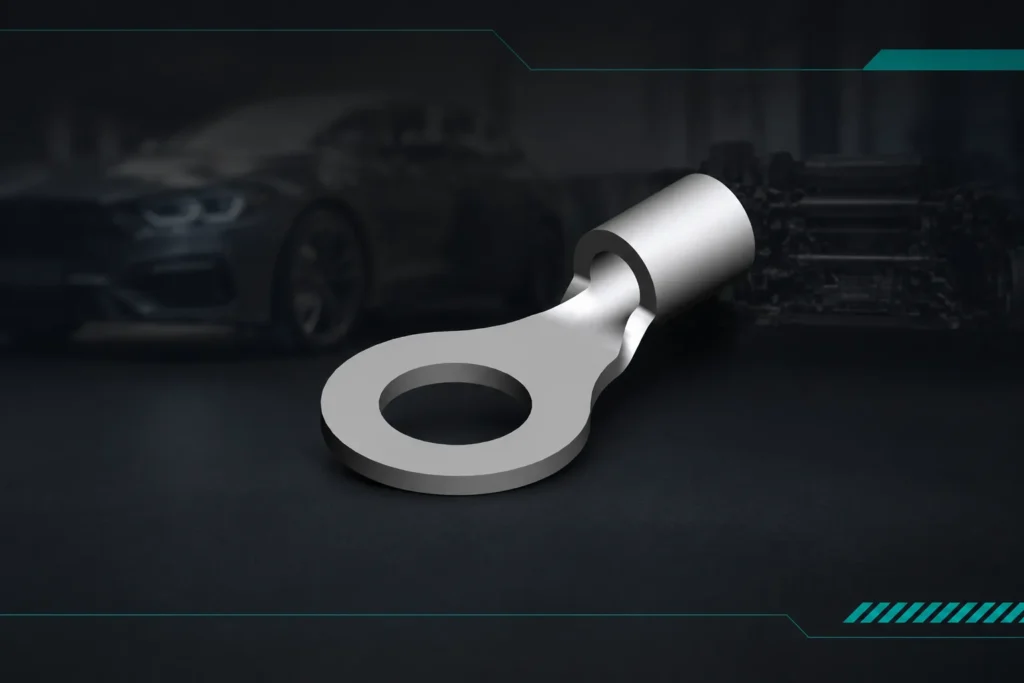
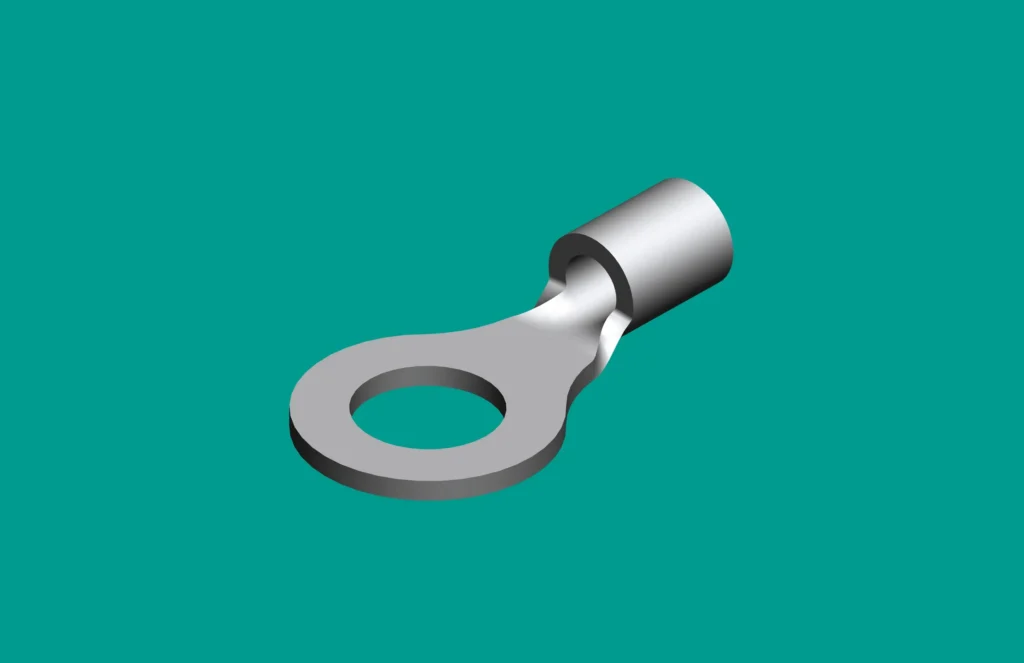
An automotive ring terminal is a small, circular connector used to attach wires securely to posts or screws in a vehicle’s electrical system. They are commonly found in applications such as battery connections, grounding, and linking electronic devices. Automotive ring terminals are made of materials like copper, brass, or aluminum, and they frequently feature insulation to prevent short circuits and provide a safer connection.
These terminals come in various sizes and types to accommodate different wire gauges and connection points. Whether you need a heat-shrink, vinyl-insulated, or non-insulated option, there’s a ring terminal suited to your specific requirements.
Which Quality Factors Matter in a Ring Terminal
Investing in premium automotive ring terminals brings several advantages:
- Durability: High-quality materials ensure long-lasting performance even under extreme conditions like vibration, moisture, and heat.
- Safety: Proper insulation prevents accidental short circuits and enhances the overall safety of the electrical system.
- Ease of Installation: Ring terminals are straightforward to install and provide a stable, secure connection.
- Enhanced Conductivity: Reliable automotive terminals help maintain optimal current flow, improving electrical efficiency.
- Versatility: Available in a range of sizes and types to meet diverse automotive wiring needs.
Where Ring Terminals Are Commonly Used
Automotive ring terminals are utilized in many applications, including:
- Battery connections
- Grounding points to prevent electrical shorts
- Connecting starter motors, alternators, and other engine components
- Power distribution connections
- Audio system wiring
These terminals are essential for ensuring stable and secure connections in many critical areas of your vehicle’s electrical system.
A Controlled Installation Sequence for Ring Terminals
Proper installation of automotive electrical terminals is crucial for ensuring long-lasting and safe connections. Here’s a step-by-step guide:
- Choose the Right Terminal: Select a ring terminal that matches your wire gauge and application. Ensure its size is compatible with the stud or bolt it will connect to.
- Prepare the Wire: Strip the insulation from the wire end with a wire stripper, exposing enough conductor to fit securely into the terminal barrel.
- Crimp the Terminal: Place the stripped wire into the barrel of the ring terminal and use a crimping tool to secure it tightly. Some higher-quality terminals provide features like double crimping areas for enhanced security.
- Seal the Connection: For insulated or heat-shrink terminals, apply a heat gun or heat source to shrink the insulation securely around the wire. This improves the connection’s durability and prevents moisture penetration.
- Attach the Terminal: Place the ring terminal over the appropriate stud or screw and fasten it tightly using a wrench or screwdriver to ensure a secure connection.
Remember, a poorly installed terminal can weaken the connection, leading to potential electrical failures, so always take time to complete each step properly.
Questions Buyers Ask About Automotive Ring Terminals
What is the purpose of an automotive ring terminal?
Automotive ring terminals are used to secure electrical wires to a stud, bolt, or screw, providing a durable and safe connection within automotive electrical systems.
How can I ensure I’m using the correct ring terminal?
Determine the wire gauge, stud size, and environmental conditions of your application. Look for high-quality terminals with suitable insulation, durability, and conductive material like copper.
What tools do I need to install automotive ring terminals?
You’ll need a wire stripper, crimping tool, and a heat gun (if using heat-shrink terminals). If attaching the terminal to a screw or stud, a wrench or screwdriver will also be necessary.
How do heat-shrink ring terminals work?
Heat-shrink ring terminals feature insulation that shrinks when heated, creating a watertight seal around the wire and terminal. This provides extra protection against corrosion and environmental damage.
Are automotive ring terminals reusable?
Reusing ring terminals is generally not recommended as it may compromise the integrity of the connection. Replacing old or damaged terminals ensures optimal performance and safety.
Premium quality automotive ring terminals are integral components of any vehicle’s electrical system, ensuring safe and efficient connections. They come in various sizes, materials, and insulation types to meet diverse automotive needs. By carefully selecting high-quality products and following proper installation guidelines, you can enhance the safety, durability, and reliability of your electrical connections.
How do I match a ring terminal to the stud and wire?
Match the terminal's stud opening, conductor range and insulation system to the actual bolt or stud, wire and installation environment. Confirm that the barrel accepts the stripped conductor without loose strands and that the ring cannot rotate into an adjacent short-circuit path.
Should an automotive ring terminal be crimped or soldered?
Use the termination method specified for the terminal and application. A controlled crimp provides both electrical contact and mechanical retention; adding solder without an approved process can change flexibility, inspection criteria and heat exposure. Do not treat solder as a substitute for a correct crimp.
How can I tell whether a ring terminal is damaged after service?
Look for looseness at the barrel, cracked insulation, pulled strands, discoloration, corrosion, a distorted ring or a fastener interface that no longer seats flat. Replace the terminal when the approved inspection criteria are not met; do not hide damage with heat-shrink tubing.
References
 Zhejiang ZUCH Technology Co., Ltd.