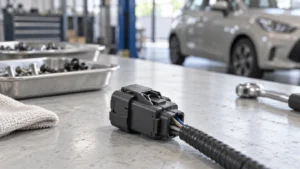
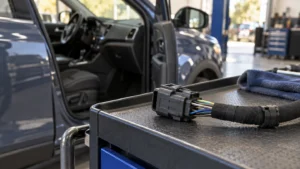
Automotive DC Connector Guide
Automotive DC Connectors are the foundation for today’s automotive electrical systems, offering a way to manage the transfer of power and signal with high efficiency. The growth of electric and hybrid vehicles has dramatically increased demand for DC connectors, making them even more important to manufacturers and automotive enthusiasts. If you are looking to upgrade your car or truck using automotive DC connectors, or if you are a manufacturer of automotive products, you will need to develop a good understanding of how these connectors work. This article covers everything you need to know about automotive DC connectors, including their function, type, application, and factors to consider when choosing an automotive DC connector.
For a related technical topic, see How to Select the Best Automotive Sensor Connector for Your Car?.
What is an Automotive DC Connector?
Automotive DC Connectors are a type of electrical connector that has been specifically designed for use in an automobile by managing the flow of direct current (DC). DC flows in one direction only, which makes it the perfect way to power many of the critical electrical systems in vehicles, including batteries, motors, and sensors. DC Connectors are used in both gasoline-powered vehicles and electric vehicles to help ensure the proper operation of every aspect of all vehicles from the operation of the dashboard lights to the proper operation of advanced driver assistance systems (ADAS).
When attached to the vehicle’s electrical systems, Automotive DC Connectors provide a reliable electrical connection between the vehicle’s power sources (batteries or alternators) and the vehicle’s electrical subsystems. These connectors must be designed to withstand heat, vibration, and environmental conditions to provide a reliable and durable electrical connection for the vehicle’s lifetime.
Types of Automotive DC Connectors
There are many different kinds of DC Connectors available for use in automobiles, and each type of connector is designed and manufactured for a specific application and varies in design, size, and current capacity. By knowing the different types of connectors available, you can confidently choose one that meets your own unique needs:
- Blade Terminals: Typically utilized in lower current automotive applications such as interior lights or dashboard instrumentation. These connectors are flat and will fit securely into receptacle ports.
- Pin & Socket Connectors: These are round pins and sockets that are very strong and reliable so they can handle higher current for applications like driving electric motors and connecting batteries.
- Weatherproof Connectors: Extreme conditions and weather require high amounts of insulation and sealing to prevent harmful moisture, dirt, and debris from affecting the electrical connection. Examples include off-road vehicles and trucks.
- Modular Connectors: These connectors have flexibility and versatility and are perfect for plug-and-play applications, such as automotive entertainment systems and GPS systems. They can be easily installed and uninstalled without tools.
Major Applications of Automotive DC Connectors
Automotive electrical functions are many in number and critical to the functionality of modern vehicles. Here are the four major applications:
1. Power Transfer: Automotive DC connectors transfer electrical power to all electrical systems and components of a vehicle. Durable connectors facilitate the majority of these power transfers, such as from an alternator to a battery to the propulsion system of an electric vehicle (EV).
2. System Communication: Modern vehicles rely on seamless communication between systems, such as how an Advanced Driver Assistance System (ADAS) sensor communicates to the controllers in a hybrid vehicle powertrain. Connectors are critical for ensuring these data transfers occur efficiently.
3. High-Voltage Applications: High-voltage DC interfaces connect traction batteries, inverters and motors, but they are a distinct connector class with additional isolation, interlock and service requirements. Do not assume that a low-voltage automotive DC connector can be used in a traction circuit.
4. Accessories and Customization: Another area where electrical connectors are important is with vehicle accessories. There are numerous types of enhancements that can be made to the vehicle, such as external cameras, entertainment systems, or lighting. These enhancements often rely on the use of electrical connectors to function properly.

Factors to Consider When Choosing an Automotive DC Connector
When selecting DC power connectors for automotive applications, there are important factors to consider to ensure compatibility and durability. Below are five key factors to guide your decision:
1. Voltage and Current Ratings: Ensure the connector you select has the proper voltage and current ratings to handle the electrical load specific to your application. Overloading the connector can lead to failure and safety risks.
2. Durability: The automotive environment is extremely challenging due to exposure to vibrations, temperature fluctuations, and outdoor elements like rain, dirt, and snow. Weatherproof or corrosion-resistant connectors are essential for long-term performance.
3. Compatibility: Select connectors compatible with your vehicle’s electrical components and ensure they conform to industry standards to avoid operational issues.
4. Size and Design: Some applications require compact connectors that fit within limited spaces without compromising performance.
5. Cost vs. Brand Reputation: While lower-priced options may be tempting, investing in connectors from a reputable manufacturer ensures safety, reliability, and peace of mind.
The Rising Need for DC Connectors in Electric Vehicles
Electric vehicles (EVs) have greatly increased the importance of many automotive electrical components’ performance. This includes high-power DC automotive connectors in EV design, which allow for the safe and efficient transfer of power between batteries, power inverters, and traction motors. With advancements like ultra-fast charging and wireless charging technologies, connectors continue to evolve to meet the demands of next-generation vehicles.
In addition to fast DC charging connectors, there has been growing interest in the use of vehicle-to-grid (V2G) systems. These systems enable EVs to return unused electricity back into the grid, creating a greater need for robust and efficient connectors. As electric technology advances, providing automotive electricians and manufacturers with safe and reliable operations becomes even more critical.
Separate Low-Voltage DC Connections from EV High-Voltage Interfaces
“Automotive DC connector” covers more than one design problem. A low-voltage connector for a sensor, lighting circuit or accessory is selected by its terminal system, wire range, current, sealing and service environment. An EV battery, inverter or charging interface adds high-voltage isolation, interlock, touch protection, shielding and a defined service-disconnect procedure. A connector that is suitable for a 12 V accessory must not be presented as suitable for an EV traction circuit simply because both carry DC.
| Application |
Selection questions |
Evidence to request |
| Low-voltage vehicle wiring |
What current, wire size, temperature and moisture exposure apply? |
Connector drawing, terminal specification, fuse strategy and vehicle service data |
| Battery or inverter connection |
Is the circuit within the manufacturer’s low- or high-voltage boundary? |
Voltage/current ratings, isolation requirements, interlock and service procedure |
| External DC charging interface |
Which vehicle and charging standard govern the interface? |
Applicable standard, inlet/outlet specification, thermal and environmental requirements |
Recent search results continue to mix blade terminals, pin-and-socket connectors, weather-sealed housings and EV charging interfaces under one “DC connector” label. That makes the decision boundary important: compare connectors within the same voltage class and application, and do not import a current figure, mating cycle or waterproof claim from an unrelated family. For high-voltage work, use the vehicle and connector manufacturer’s isolation and verification procedure rather than a general wiring guide.
FAQs About Automotive DC Connectors
1. What are the different types of automotive DC connectors?
The most common types of automobile DC connectors are blade terminals, pin and socket connectors, weather-sealed connectors, and modular connectors. Each type has specific uses based on current, voltage, and environmental conditions.
2. What is the main use of a DC connector in vehicles?
The primary purpose of a DC connector is to deliver power, facilitate signal communication, and ensure safe operation across vehicle subsystems such as lights, motors, and sensors.
3. Do all vehicles require weather-sealed DC connectors?
Not all vehicles need weather-sealed DC connectors. These are typically designed for use in harsh environmental conditions, such as in trucks, off-road vehicles, or areas exposed to water and debris.
4. How do I select the best connector for my automotive project?
Consider factors like voltage and current ratings, material durability, compatibility with other components, and environmental conditions. Choose products from reputable manufacturers to ensure reliability and quality.
5. Are DC connectors suitable for EV charging systems?
Yes, DC connectors are essential in EV charging systems, particularly for fast chargers requiring high-voltage and high-current handling capabilities.
What is the difference between a 12 V DC connector and an EV high-voltage connector?
A 12 V connector is selected for low-voltage power or signal circuits. An EV high-voltage connector must also address isolation, interlock, touch protection, shielding and a controlled service process. They should not be treated as interchangeable.
How do I choose the current rating for an automotive DC connector?
Use the connector maker’s rating for the complete terminal, wire, temperature and duty-cycle condition. Check voltage drop and temperature rise requirements under the actual load rather than choosing only by the largest number in a catalog.
Do automotive DC connectors need to be sealed?
Only when the application requires protection from water, dust, fluids or wash-down exposure. A sealed connector still needs the correct wire seals, mating interface and installation method; sealing is not a substitute for correct electrical selection.
Automotive DC connectors have become essential for the efficiency, safety, and reliability of current-generation vehicles, especially as the automotive industry transitions to hybrid and electric technologies. Proper selection of connectors involves understanding their purpose, operational environment, and design specifications to ensure compatibility with your vehicle. By staying informed, buyers and manufacturers can invest in connectors that boost performance while future-proofing automotive systems for evolving needs.
Final Takeaway: Confirm the Voltage Class Before the Connector Rating
Start with the circuit’s voltage class and application boundary, then verify current, temperature rise, wire range, sealing, isolation and service procedure. A low-voltage accessory connector and an EV traction or charging interface may both carry DC, but they are not interchangeable without application-specific evidence.
References and Further Reading
- SAE J1772 — SAE electric-vehicle conductive charging equipment standard page
- ISO 8092-2:2023 — road-vehicle harness connector test scope
- U.S. Department of Energy AFDC — electric-vehicle charging infrastructure trends
- TE Connectivity — automotive connector application resources
 Zhejiang ZUCH Technology Co., Ltd.