Automotive 3 Way Waterproof Wire Connector
If you’re working on automotive electrical systems, choosing the right components can determine how long your vehicle’s electrical wiring lasts and how well it performs. A 3 way waterproof automotive wire connector is an invaluable tool for all these tasks, especially if you must work in harsh conditions due to weather or debris. These automotive wire connectors offer exceptional durability, dependability, and protection from moisture, dirt, and anything else outside the vehicle so they can be used in cars, trucks, bikes, etc. In this article, I will define what a 3 way automotive waterproof wire connector is, how to use it, and why it is a great investment for those who want to work on automotive electrical projects.

For a related technical topic, see What Are the Best Automotive Wire Connectors?.
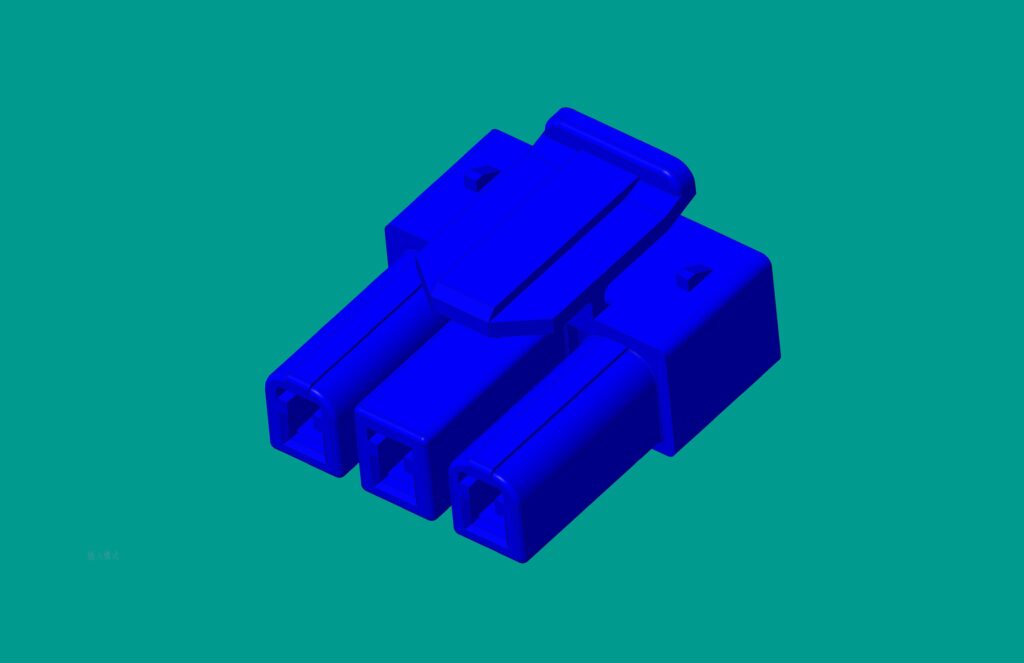
Definition of a 3 Way Waterproof Wire Connector
A 3 way waterproof wire connector is a type of 3 way electrical connector that provides a secure connection between three wires while also creating a completely watertight seal around the three wires connected to it. These connectors use very high-quality construction materials such as thermoplastic and silicone rubber gaskets to make these connectors very effective at preventing water from getting into the connector and causing corrosion. These types of connectors are often used in automotive applications and are most commonly found in places prone to moisture such as the engine compartment, underneath the vehicle, and on the vehicle’s exterior lights.
The most significant benefit of using these types of connectors is that they are designed to prevent short circuits and electrical failure due to water or dirt contamination getting inside the connector. In addition, using these connectors ensures that you will have a strong and consistent electrical connection, which is essential for systems that require a continuous source of electricity, for example, headlights, taillights, or engine control units. This type of waterproof connector is essential for harsh environments where they will have to perform consistently.
Types of Electrical Connectors and Wire Connectors
When selecting a waterproof connector, understanding the types of electrical connectors and wire connectors that exist is important. The most common types are:
- Crimp Connectors: These connect wire to wire by crimping the two wires together. They are easy to use but require a crimper for a good connection.
- Screw-On Connectors: These are most commonly found in your home doing residential type work. They are less frequently used in the automotive realm because of their susceptibility to vibration.
- Soldered Connectors: Soldering the two wires together is what makes this a very permanent and valuable connection. Inserting and maintaining this type of connection will require some skilled labor and specialized tools.
- Push-In Connectors: These connectors are easy to install, but may not be durable enough for automotive purposes.
- Waterproof Connectors: Regardless of what type of connector you select, it will need to be sealed against moisture and dust in order to work properly in automotive applications.
Among these types of connectors, waterproof connectors are the most appropriate for use in the automotive realm. Waterproof connectors will provide the highest level of performance and safety in harsh environments, while extending the life of your automotive electrical system.
How To Wire A 3 Way Connector
Installing a 3 way connector will take some time and effort to become comfortable with, but use the following steps to ensure you have a secure and waterproof connection with your 3 Way connector:
1. Getting started: Find the correct 3 Way connector for your application. Select one that is designed for the maximum current and voltage required.
2. Stripping the wire: Strip each wire only to the length specified by the terminal and seal application specification. The insulation diameter must remain within the seal’s approved range.
3. Insert the wires: Insert stripped wire ends into the matching channels of the waterproof connector. Confirm correct placement of wires before tightly securing them.
4. Secure Connection: Use the specified crimp tool and terminal system for the connector design. Do not substitute a screw, generic plier or solder joint unless the connector maker explicitly approves that method.
5. Test Connection: After establishing solid connections, check continuity of all wires using a multimeter. This step checks continuity between all wires, confirming proper wiring and function of the circuit.
6. Seal Connector: Install the specified wire seals, interface seal and cavity plugs as directed. Do not treat heat-shrink tubing or tape as a replacement for a missing or damaged seal.
Key Benefits of 3 Way Waterproof Wire Connectors
1. Water and Dust Resistance: These connectors reliably shield wires from moisture, dirt, and other contaminants that can cause short circuits or corrosion.
2. Durability: Built using only the highest-quality materials, waterproof connectors are designed to withstand extreme temperature extremes, high levels of vibration, and environmental impact.
3. Simple Installation: Most connectors were designed with simplicity in mind; therefore, even someone without advanced skills should have no trouble installing them correctly.
4. Versatility: The versatility of the three-way waterproof connector makes it highly adaptable for many automotive applications, including lighting, engine wiring, etc.
Applications of 3 Way Waterproof Connectors in Automotive Systems
There are many parts of the vehicle where you will find a three-way waterproof connector can be applied. For example:
Headlights/Taillights: Provide reliable operation of the front and rear lighting systems, even when driving in wet or muddy conditions.
Trailer Wiring: A three-way waterproof connector can be used to connect the lights on a trailer to the main vehicle and keep the wiring from being damaged due to water.
Engine Bay: Protects the wiring from oil, grease, and temperature variations.
Outdoor Accessories: Provides power to auxiliary lights, winches, or other exterior accessories that are exposed to the outdoor elements.
A Waterproof Rating Does Not Replace Correct Crimping
A three-way connector is only as watertight as its weakest interface. Match each wire to the seal’s insulation-diameter range, strip only the length specified by the connector instructions, and keep strands, insulation and sealing surfaces free of cuts or contamination. A connector can latch normally and still leak if a seal is rolled, displaced, reused after damage, or installed on the wrong wire size.
- Confirm the connector, terminal and seal part numbers belong to the same system.
- Check that the wire insulation sits at the seal without a visible gap or pinch point.
- Crimp the conductor and insulation sections with the specified tool; do not substitute a generic plier.
- Verify terminal seating, the secondary lock and the housing latch before routing the harness.
- Inspect the cable exit and strain relief so vibration does not pull on the sealed cavity.
Do not add heat-shrink tubing, sealant or tape as a substitute for a missing seal. Extra material can hide a damaged seal or prevent the connector from mating fully. Use a cavity plug for an unused sealed position only when the connector system calls for one, and follow the product’s stated inspection or leak-test method. A three-way connector used near a battery, lighting circuit or trailer harness should also be checked for the circuit’s current, temperature and mechanical requirements rather than selected only by pin count.
FAQs
What is the difference between a 3 way and a 4 way connector?
A three-way connector can connect three wires together, while a four-way connector can connect four wires together. Depending on the specific wiring requirements, the number of connections needed will help you decide which one to choose.
How can I make sure that I have a watertight seal when wiring a three-way waterproof connector?
To have a watertight seal on the connector, you should look for connectors with built-in seals or gaskets that are suitable for water. To further protect the connection from moisture, it is best to cover it with heat-shrink tubing and/or waterproof electrical tape. Always follow the manufacturer instructions exactly.
Can a three-way waterproof connector be reused?
Most three-way waterproof connectors can be reused as long as they are not damaged during removal/reinstallation. If you plan on reusing the connector, ensure that the seals or gaskets on it are not damaged or worn out.
Are there other uses for a three-way electrical connector in addition to automotive applications?
Yes, three-way electrical connectors can also be used in many other applications (e.g., outdoor lighting, marine systems, and all general electrical installations); however, be sure to use the correct three-way electrical connector depending on the environment that it will be used in (e.g., waterproof rating).
What tools do I need in order to install a three-way wire connector?
Commonly required tools are a wire stripper, the connector-specific crimping tool, a terminal inspection aid and a multimeter. Add a seal-installation tool or leak-check method only when the connector instructions call for it; soldering is not a universal substitute for an approved crimp.
What is a waterproof 3-way wire connector?
It is a three-position connector system designed to join three conductors while limiting water and contaminant entry through its housing, terminals and seals. The actual protection depends on the complete connector system and its installation.
How do I connect three wires together without creating a leak?
Use the specified terminal and seal for each wire, follow the approved strip and crimp dimensions, fully seat the terminals, and check the latch, secondary lock and cable exit before exposing the connection to moisture.
Can I reuse a three-way waterproof connector after removing the wires?
Reuse only when the housing, terminal locks and seals remain within the connector maker’s service instructions. Replace any seal, terminal or latch that is cut, deformed, loose or contaminated.
Why can a waterproof connector still leak after it is latched?
Common causes include the wrong wire diameter, a rolled seal, an unseated terminal, a damaged interface seal, a missing cavity plug, or a housing crack. Latching confirms mechanical engagement, not necessarily sealing integrity.
A three-way waterproof wire connector for an automotive application is an invaluable component for the reliability, safety, and performance of an automotive electrical system. A three-way waterproof wire connector’s ability to provide a secure, watertight, and durable connection makes it the preferred connector by both professionals and DIYers. From headlights to trailer systems, three-way waterproof wire connectors solve many common wiring concerns and will give you peace of mind in the tough environment of the automotive world. If you are upgrading the electrical system of your vehicle, fixing a damaged wire connection, or completing a custom installation project, selecting the right three-way waterproof wire connector is a decision that you will not regret. To keep your vehicle running smooth into the future, invest in the best today!
Final Takeaway: Verify the Seal, Not Just the Latch
A three-way waterproof connector protects a circuit only when the housing, terminal, wire seal, interface seal and routing work as one system. Match the wire diameter, use the approved crimp and inspect the lock and cable exit before exposing the connection to water, vibration or road debris.
References and Further Reading
- ISO 8092-2:2023 — road-vehicle harness connector test scope
- IPC/WHMA-A-620 — cable and wire-harness acceptance resource
- TE Connectivity — automotive connector application resources
- Car Builder Solutions — 3-way waterproof connector product example
 Zhejiang ZUCH Technology Co., Ltd.