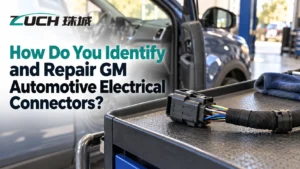
Using an Automotive Electrical Connector Release Tool
Automobiles today utilize a multitude of electrical connectors to provide power to various components including sensors, lights, modules, and switches as well as safety systems. When you need to remove one of these connectors correctly, it is important to use the proper tools. An improperly removed connector could result in damaged clips, bent terminals, or broken lock tabs and can cause a simple repair job to turn into a costly problem. Therefore, the automotive connector release tool is essential for technicians, mechanics and DIY auto enthusiasts. For a related technical reference, see How to Remove Wire from Push in Connector Automotive?.
There is often more involved with removing a connector than simply pulling it apart. Most automotive electrical connectors form a secure connection between components via locking mechanisms, secondary locking mechanisms and an extremely tight retention force which are all designed to prevent accidental disconnection due to vibrations, heat or poor road conditions. A professional automotive electrical connector release tool will provide a safe method of releasing the locking mechanisms and significantly reduce the likelihood of damaging the connector’s housing, pins or incomplete reconnection at a later date. If you perform wiring repairs, sensor replacements or module maintenance, using the appropriate electrical connector release tool can save time and protect your vehicle’s wiring harness from damage.

What is an Automotive Electrical Connector Release Tool?
An automotive electrical connector release tool is a handheld device that assists in the disengagement of the locking mechanisms on vehicle electrical connectors. Depending upon the type of connector, the release tool may be used to press down a locking tab, lift a locking latch, release the terminal lock (if present), or disconnect a stubborn electrical connector without using excessive force.
Automotive electrical connector release tools are available in several designs, including hook picks, terminal release tools, connector disconnect tools, and multi-purpose tool sets. Some connectors are made for small terminals located within wire housings, whereas others are made for larger engine compartment connectors or for weather-resistant plugs. The main purpose is to release the connector both efficiently and safely from the wire harness or the vehicle. For a related technical reference, see How to Disconnect Automotive Electrical Connectors?.
Why the Right Tool Matters for Automotive Connector Release
Vehicle connectors are designed to stay locked in place even under harsh conditions. This is beneficial to ensure reliability, but simply pulling on the connector often will not be enough to unlock it. Forcing the connector apart can lead to damaged connector tabs, loose terminals, intermittent electrical failures, or expensive harness replacements.
Having a specific tool for the connectors provides the following benefits:
1. Reduces damage to the connector housing and locking tabs.
2. Helps technicians complete their work quickly and efficiently.
3. Reduces the chance of creating an electrical contact failure inside the connector.
4. Improves quality of repairs and increases long-term vehicle reliability.
Having a good quality automotive connector release tool is not only a convenience for most shops or mobile technicians but will provide a quick and easy way to improve your workflow and protect your customers’ vehicles.
Common Types of Automotive Connectors and Release Methods
There are many different types of connectors and methods to release an automotive connector; therefore, before you begin, it is important to know how to release the connector you are working with.
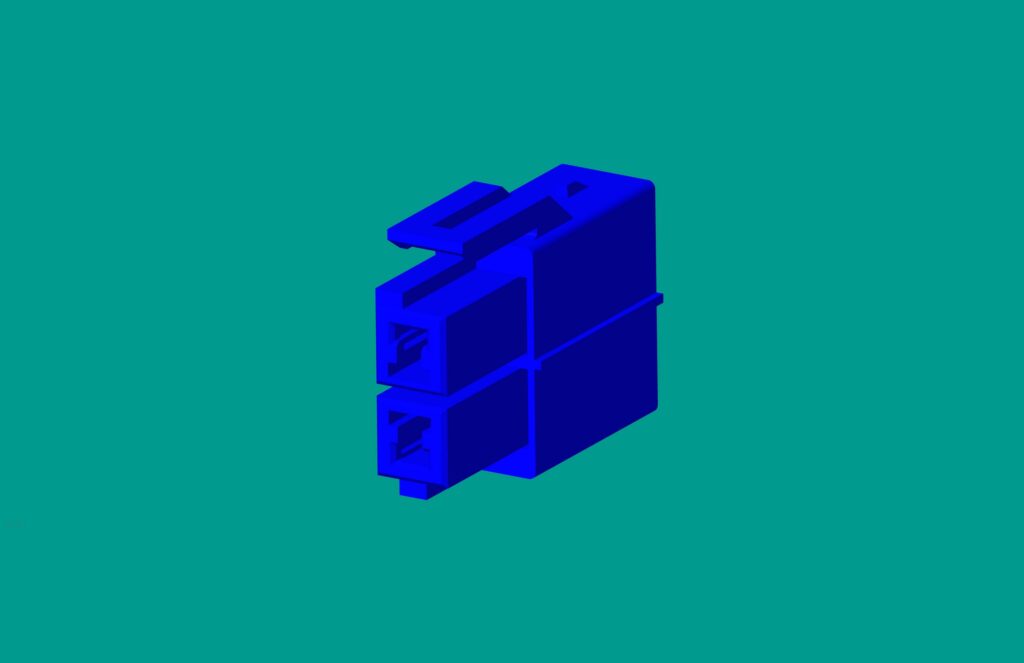
Push-tab connectors are among the most commonly used types. Generally, you will need to insert your finger or a slim tool underneath the locking tab to depress it while pulling the connector body straight apart. If the locking tab is hard to reach, using a thin tool will make it easier to depress the tab without causing damage.
Secondary-lock connectors introduce another level of complexity, as they require you to move an additional locking mechanism before detaching the connector. These are often utilized with sensors, fuel system components, or control modules. Unlocking these typically involves lifting, sliding, or pulling out a colored safety clip before separating the main connector.
Terminal-retention connectors are equipped with individual pins that secure them to the terminal. When repairing or replacing the terminal, a connector release tool is used to depress the retention tang and remove the terminal cleanly.
Weather-sealed connectors may appear stuck due to factors like sealing tension, dirt, or age. Even in these cases, connectors must always be disconnected using their locking mechanisms, never by prying or twisting the connector housing.
How to Use a Connector Release Tool Correctly
The release technique used with a connector release tool will vary depending on the design of the connector; however, there are a few common steps to follow for most situations.
First, inspect the connector for the components needed to unlock it. This includes identifying a primary latch, secondary lock, corrosion, dirt, or signs of existing damage to understand how the connector is secured and how best to release it.
Second, relieve tension on the connector. Press the connector gently inward before attempting to release the latch. This slight adjustment reduces the pressure on the locking tab, making it easier to disengage.
Third, use the tool to press, lift, or release the latch in accordance with the connector’s design. The tool should fit securely into the connector without the need for force.
Fourth, after releasing the lock, pull the connector body straight apart. Do not pull on the wires, as this can damage internal terminals and lead to future electrical faults that may go unnoticed initially.
Finally, inspect the connector after separation. Examining the terminals, seals, and locking components ensures everything is in good condition before reconnection. Any damaged or bent components should be repaired prior to reassembly.
How to Choose the Best Tool for Your Needs
Determine which tools you need based on the type of work you do and the types of vehicles you service regularly. A general-purpose connector release set is an excellent starting point for garages and serious DIY auto enthusiasts, offering flexibility for a range of connector types.
For professional automotive technicians, tools with durable steel construction, comfortable grips, and precision tips for tight spaces are ideal. Features like thin tips, multiple blade sizes, and insulated handles can also prove beneficial, depending on the application.
Factors to consider when choosing a release tool include:
1. Common automotive connector compatibility.
2. Tool tip and shaft durability.
3. Ease of use in compact spaces such as engine bays or dashboards.
4. Efficient storage and organization for multiple tool sizes.
5. Capability to also handle terminal release tasks.
If you frequently work on modern European, Japanese, or domestic vehicles, investing in a versatile toolset offers greater value compared to single-purpose tools.
Common Mistakes to Avoid
Many problems arise when proper procedures are bypassed, often to save time or out of convenience. Pulling on wires instead of the connector body is one of the most common errors. Another frequent mistake is using tools like flat screwdrivers, which are often too thick or rigid, to manipulate delicate locking mechanisms, potentially cracking the housing.
Not recognizing a secondary lock is another common misstep. If a connector doesn’t release easily, it is often due to a secondary lock, and attempting to force it can break critical components. Careful inspection is always key to avoiding unnecessary damage.
Corrosion can complicate disconnection as well. If a connector has been in contact with moisture, salt, or heat, inspect the area carefully and clean before attempting to reconnect.
When a Standard Disconnect Tool Is Not Enough
In some instances, more advanced repairs are needed, such as terminal repair, pin replacement, or harness rework. These tasks often require specialized terminal extractors and release tools capable of reaching inside the connector. Using the wrong tool in these cases can warp retention springs or damage cavities, which may impair electrical contact.
To handle such intricate tasks professionally, many mechanics maintain a complete electrical disconnect tool kit. These kits enable efficient connector removal, terminal extraction, and precise reassembly while minimizing the risk of damage.
Inspect the Lock Before Choosing a Release Tool
A release tool is selected by the mechanism it must move, not by the vehicle brand alone. First identify whether the connector has a primary latch, a secondary lock, a terminal lance, a CPA/TPA device, or a slide lock. If a secondary lock is still engaged, pushing harder on a terminal probe can deform the retention spring or damage the cavity. The safe sequence is to identify the lock, relieve mating tension, release the housing, and only then depin an individual terminal if the service procedure allows it.
| Observed condition | Likely next step | Do not do |
|---|
| Housing will not separate | Push the halves together, release the primary latch, then pull the housing straight | Pull on the wires or twist the housing |
| Terminal will not depin | Find the secondary lock and use the correct-size extractor | Force a thick screwdriver into the cavity |
| Corrosion or heat damage is visible | Stop and inspect the housing, seal, terminal and wire before reuse | Continue levering until the connector breaks free |
Current search results show strong interest in stuck connectors, push-in releases and disconnect pliers. Those are different tasks: a housing disconnect tool separates mated halves, while a terminal extractor releases a contact from its cavity. Mark the connector orientation and cavity position before depinning, and verify terminal retention and the secondary lock during reassembly.
FAQ
How do I release a push-in electrical connector?
First, identify the locking tab or push-in latch. Gently push the connector inward to reduce tension before pressing the tab and pulling the connector straight apart. If the tab is hard to reach, use a suitable connector release tool to avoid damaging the connector housing. Never pull on the wires aggressively.
What should I do if the connector feels stuck?
If the connector feels stuck, do not force it. Stop and inspect for secondary locks, corrosion, dirt, or partially released tabs. Controlled movements and proper tools are safer than applying excessive force.
Can I use a screwdriver instead of a connector release tool?
While a screwdriver can suffice in emergencies, it is not ideal as it may be too thick, sharp, or rigid. A proper tool offers superior control and minimizes the risk of damage.
Is a connector release tool useful for DIY car repairs?
Yes, even occasional DIY taskers benefit from using a quality release tool. It can prevent costly mistakes during tasks like sensor replacement, headlight repairs, or wiring work.
What is the best tool for removing an automotive connector?
There is no universal best tool. Choose a housing disconnect tool for the latch geometry, and a terminal extractor sized for the contact cavity when depinning is required. The connector service information should control the final choice.
How do I release a stuck automotive electrical connector?
Stop pulling, press the mating halves together to unload the latch, inspect for a secondary lock or corrosion, and use the correct release tool. If the connector still will not release, replace the damaged part or follow the vehicle maker’s service procedure.
Can I use a screwdriver instead of a terminal release tool?
A screwdriver may be too thick or rigid and can spread a terminal cavity or break a lock tab. Use it only when the connector maker explicitly identifies it as an approved tool; otherwise use the specified extractor.
What should I check after using a connector release tool?
Check the latch, CPA/TPA or secondary lock, terminal seating, seals, cavity alignment and wire support. Perform the circuit or functional test required for that vehicle system before returning it to service.
A quality connector tool is not just an accessory; it is an essential part of safe and effective automotive repair. Whether for frequent use by technicians or occasional handling by car owners, the right automotive connector release tool simplifies connector disengagement while reducing the chances of damage and rework. Investing in a dependable solution ensures better quality and more reliable vehicle repairs.
Final Takeaway: Release the Lock Before Pulling the Connector
The safest connector removal sequence is to identify the lock, unload the mating force, use the correct release tool, pull the housing rather than the wires, and inspect retention and sealing before reassembly. If the connector remains stuck, stop and follow the vehicle maker’s service procedure instead of increasing force.
References and Further Reading
- ISO 8092-2:2023 — road-vehicle harness connector test scope
- IPC/WHMA-A-620 — cable and wire-harness acceptance resource
- TE Connectivity — automotive connector application resources
- NHTSA — vehicle safety and service information context
 Zhejiang ZUCH Technology Co., Ltd.