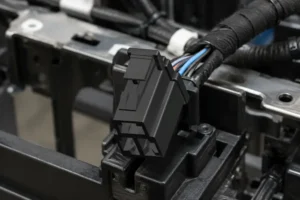
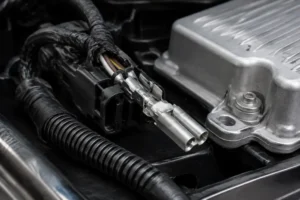
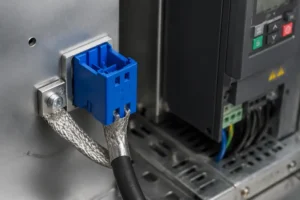
If you are a DIY mechanic or professional auto technician, you must have the skills necessary for disconnecting connectors that connect the various electrical circuits of your vehicle to ensure the smooth operation of the entire electrical system within your car. Mishandling or not properly connecting can lead to damage of the electrical component of your vehicle, electrical problems with your vehicle, and wasteful damages to electrical components within the time frame of you repairing them. This will provide a complete how-to on safely disconnecting these connectors with pictures as a reference, an explanation of common ways you would disconnect the wire from the connector, and tools that will help in the disconnecting process.
The role of automotive electrical connectors in your cars is very important
So that you can fully understand how to disconnect your cars connectors, let’s first define what automotive connectors are. They are the small components that connect different electrical circuits throughout your car. It is through these connectors that you move the electricity and signals from one circuit to another (e.g., wiring to your headlight, wiring to various engine sensors, wiring to infotainment systems, etc).
The importance of connecting and disconnecting these connectors properly cannot be overstated. If the connector is not connected properly or you disconnect the connector from the electrical connector, it could disrupt the entire vehicle electrical system and cause the connected electrical component to malfunction or act erratically.
Disconnection Steps for Automotive Electric Connection
Disconnecting connector automotive electrical components may appear easy; however, it is necessary to follow a defined method before continuing, to prevent damage to the automotive electrical system. The following is a detailed instruction of how to disconnect connectors for automotive electrical components:
Step 1: Remove the Vehicle Battery from the Vehicle (Safety Precautions)
Before you perform any steps on the process of disconnecting automotive electric connection, always remove the battery from the vehicle. Begin detaching negative terminal off first, this way you can avoid getting shock from the electrical system or cause a short circuit.
Step 2: Identify the location of the automotive wire connector
Since connectors are usually not exposed to view and fit in a very cramped space, you may need some additional tools such as flashlights or inspection mirrors in order to see them accurately.
Step 3: Check the type of locking mechanism used on the connector
Understand how it will work when attempting to open the connector. The most common locking mechanisms for automotive connectors include push tab locks, sliding clip locks, and lever lock. Be aware of the style of locking mechanism used in order that you apply proper force to unlock it without damaging it.
Step 4: Release the Connector
Depending upon the lock type, either press down on the push tab, pull up on the lever or slide the clip towards the connection point, to unlock/ release the connector. If you are applying force to the connector but have trouble unlocking it, gently wiggle the connector back and forth while applying a small amount of pressure. You should be cautious in applying large amounts of force to the connector, as this may cause the plastic housing to crack or create damage to the internal terminals within the connector.
Step 5: Gently pull the connectors apart
Once the locking mechanism has been disengaged, pull the connectors apart gently, making sure to pull on the entire connector housing and not just on the wire connections, as pulling on the wire connections could result in disconnection or significantly damaging them.
Step 6: Inspect the wire and terminal connection points
After separating the connectors check the wire and terminal connection points attached to each connector for signs of corrosion, damage or deterioration. Make sure that if you see any issues, you take care of or replace them before further electrical issues arise.
What is a Quick Disconnect Tool?
When you’re removing automotive wire connectors from an automotive application, a specialized tool such as a quick disconnect tool will often help you separate them easily. Disconnecting connectors in difficult-to-reach places or in connectors with stubborn locking types will improve your ability to get the job done. Always look for the quick disconnect tool that matches the type and size of connector that you are trying to disconnect. Many quick disconnect tools are packaged in kits so they are handy to have in your toolbox.
Why You Would Need to Remove Wires from Connectors
There are many situations in which you may need to disconnect or remove wires from automotive electrical connectors:
1. Bad Connection Repair: With time, connectors can become worn, rusted or loose, causing them to perform poorly or fail altogether.
2. Upgrade Components: If you upgrade electrical components such as headlights, sensors or audio systems, you will need to disconnect the current connector to install the new one.
3. Troubleshoot Electrical Problems: To diagnose problems with an automobile’s electrical system, you will need to disconnect connectors to test individual circuits or components.
4. Regular Maintenance: If you need to perform periodic maintenance to replace lamps, relays, clean connectors, etc., the connectors must also be disconnected.
Suggestions for Working with Automotive Connectors
If you use the following suggestions while working with connectors, you should have a better experience:
Proper Use of Tools
When you disconnect and remove connectors, use the correct tools. The right tool allows for the quickest removal of connectors and prevents damage to connectors or wires. Connector release tools and terminal removal kits are specialized tools specifically designed for removing automotive connectors quickly and with minimal effort. By using the proper tools, the time spent removing connectors will be kept to a minimum and help to avoid damaging connectors and wires during removal.
Be Gentle with Connectors
When removing and handling connectors, be gentle. Connectors are made from plastic and can easily be damaged, just like the wires attached to them. Be careful not to use too much force when working with connectors. Using excessive force may result in damaging the plastic housing, wires, or both.
Document Connections
Before disconnecting connectors, take pictures or label all of the wires so you can reconnect everything correctly after removing the connectors, if applicable. Documenting the connections will help ensure you will be able to locate the wires once the connectors are reconnected.
Clean Connectors
If you notice dirt, grease, or corrosion on connectors, clean them gently using electrical contact cleaner. Maintaining clean connections is crucial to ensuring proper function of connectors.
Common FAQ’s When Working With Automotive Electrical Connectors
What Does A Quick Disconnect Tool Do?
A quick disconnect tool is a tool designed specifically for releasing and disconnecting component connections from automotive connectors. Quick disconnect tools are especially beneficial for removing electrical connectors with tight locking mechanisms or from areas that are difficult to access.
Why Would I need To Remove Wires From An Automotive Connector?
Typically, you will need to remove wires for reasons like repairing bad connections, replacing or upgrading component connections, troubleshooting electrical problems, or doing regular maintenance (e.g. changing bulbs or replacing relays).
Can I Remove Connectors Without Tools?
Yes, it is possible to manually remove a connector without assistance; however, using a quick disconnect tool will greatly simplify the process because of how difficult it can be to remove an electrical connector.
How Do I Prevent Damage When Removing Connectors?
To remove a connector without causing damage, first release all locking mechanisms before pulling the connector. Use as little force as possible when pulling and never pull on the wires attached to the connector. The best way to prevent damaging an automotive connector when removing it is to use the appropriate tool.
Understanding how to remove automotive electrical connectors properly is an essential skill to have for everyone that repairs or maintains vehicles. Using the step-by-step guide and the right tools will ensure that the removal of connectors will go quickly and without causing damage. Whether you are upgrading vehicles with new components or you are troubleshooting a vehicle’s electrical issue, having a good understanding of how to remove electrical connectors will save you both time and money. When in doubt, consult your vehicle’s owners manual or a qualified technician to ensure that you are removing electrical connectors correctly.
 Zhejiang ZUCH Technology Co., Ltd.