Industrial Rectangular Connectors for Heavy-Duty Applications
For high-abuse industrial environments, a connector is never just a small equipment component. It is a critical link that connects motors, sensors, control cabinets, machines, and automated systems so power, data, and signals can move reliably between them. If equipment is exposed to vibration, dust, moisture, oil, temperature changes, or regular maintenance, selecting the proper connector directly affects uptime, safety, and long-term operating cost.
This is why rectangular connectors are commonly used in heavy-duty industries such as manufacturing, robotics, rail transit, energy, construction machinery, automation, and transportation. With modular structures, secure locking mechanisms, high contact density, and rugged housings, rectangular connectors provide a cost-effective solution where standard connectors may not deliver enough reliability, durability, or functionality.
This guide explains what industrial rectangular connectors are, where they are used, which specifications matter most, and how end users can select the right connector for heavy-duty industrial applications.

For a related technical topic, see Modular Rectangular Connectors.
What Are Industrial Rectangular Connectors?
Industrial rectangular connectors are electrical interconnection components built with a rectangular housing profile. They transmit electrical power, control signals, data, or a combination of these between equipment and systems. Compared with many circular connector designs, rectangular connectors can offer denser contact arrangements in a compact space, easier modular customization, and stronger mechanical protection.
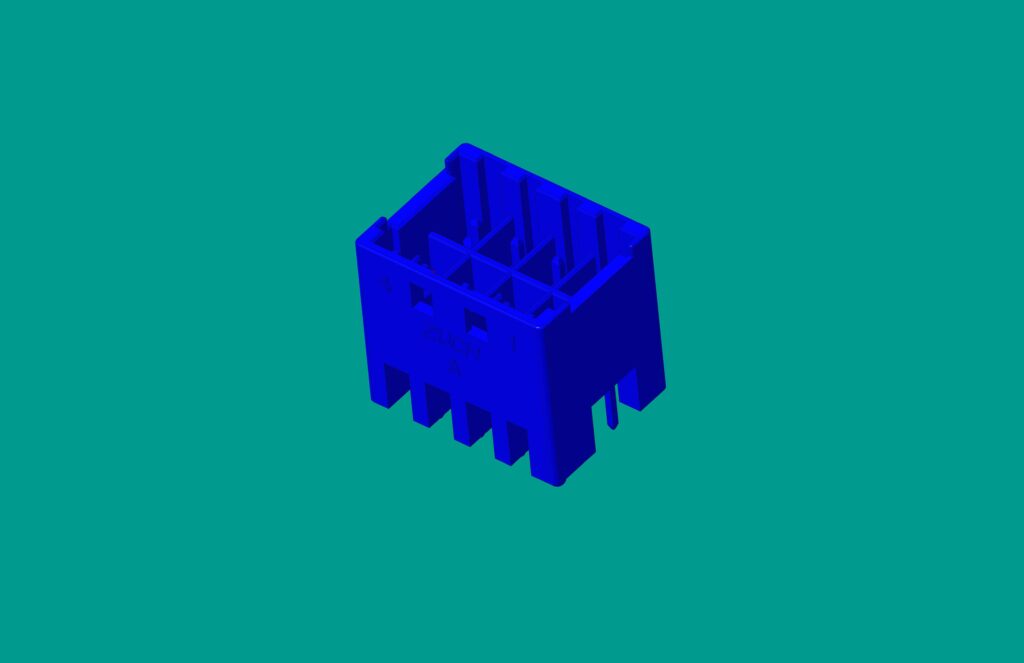
A typical industrial rectangular connector includes a housing or hood, an insert, male and female contacts, cable glands, gaskets or seals, locking levers, and mounting accessories. Depending on the application, these connectors can be configured for high-current power transmission, low-voltage signal connections, Ethernet communication, pneumatic modules, or hybrid layouts that combine multiple functions in one connector housing.
For heavy-duty applications, industrial rectangular connectors are commonly manufactured from die-cast aluminum alloy, engineering-grade thermoplastics, stainless steel locking components, and sealing systems designed for harsh working environments. Many are also built to comply with international standards for electrical safety, ingress protection, and vibration resistance.
Why Rectangular Connectors Are Preferred in Heavy-Duty Applications
Heavy-duty applications require more than basic electrical continuity. A connector must remain securely fastened while machinery is moving, maintain sealing integrity when exposed to dust and moisture, and allow reliable mating and unmating during installation or maintenance. These requirements are key reasons rectangular connectors are widely used in industrial environments.
First, the rectangular shape allows many contacts to be placed in a compact, organized area. This makes them ideal for control cabinets, industrial robots, conveyor systems, and equipment where installation space is limited but multiple circuits must be connected. One rectangular connector can replace several individual wiring points, reducing installation time and simplifying maintenance.
Second, many heavy duty rectangular connectors incorporate robust locking mechanisms such as single levers, double levers, screw locking, or bayonet-style interfaces. These locking systems help prevent accidental disconnection caused by vibration, pulling force, or repeated machine movement.
Third, rectangular electrical connectors can be manufactured with ingress protection ratings such as IP65, IP67, or higher, depending on housing material and sealing design. This makes them suitable for outdoor equipment, washdown areas, mining machinery, wind power systems, and factory floors where dust, coolant, water spray, or oil mist may be present.
Finally, the modular design of many industrial rectangular connectors allows buyers to build the connector around the real application. Power, signal, data, and even pneumatic modules can be combined in one interface, helping create cleaner wiring, fewer connection points, and better system organization.
Common Applications of Heavy-Duty Rectangular Connectors
Heavy-duty rectangular connectors are used in industries where reliability and durability are essential. In manufacturing automation systems, they connect control cabinets to motors, drives, sensors, actuators, and production line modules. Their plug-and-play design helps reduce wiring mistakes and speeds up equipment commissioning.
In robotics, connectors must withstand continuous movement, vibration, and tight installation spaces. Industrial rectangular connectors and rectangular automotive connector designs are often used to transmit power and signals in robotic arms, automated guided vehicles, and intelligent handling systems.
In rail and transportation, rugged rectangular connectors support traction systems, onboard equipment, lighting, braking systems, communication modules, and passenger information systems. These applications often require strong vibration resistance, flame-retardant materials, and long-lasting performance.
In energy and infrastructure projects, such as wind turbines, solar inverters, power distribution units, and heavy electrical equipment, connectors must handle high current levels, resist environmental exposure, and support long maintenance intervals. Industrial rectangular connectors are often selected because they provide secure and serviceable interfaces in difficult installation locations.
Construction machinery, agricultural equipment, marine equipment, cranes, packaging machines, and food processing systems also benefit from rugged connector designs. In these environments, connectors are frequently exposed to dust, mud, chemical cleaning agents, vibration, or mechanical impact.
Key Factors to Consider When Choosing Rectangular Connectors
Choosing the correct rectangular connector starts with understanding the working environment and electrical characteristics required by the application. A connector that works well in a clean indoor cabinet may not perform the same way on an outdoor mining machine or in a high-vibration rail application.
Electrical Rating
The voltage and current rating must be properly matched to the application with an appropriate safety margin. Power circuits usually require larger contacts, higher current capacity, and sufficient insulation clearance. Signal and data circuits require stable contact resistance, shielding options, and protection from electromagnetic interference.
Number of Contacts and Layout
Buyers should consider how many circuits must pass through the connector and whether they are power, signal, data, or mixed connections. Modular rectangular connectors are useful when one connector housing must handle different media or different electrical ratings at the same time.
Ingress Protection Rating
The ingress protection rating is crucial for applications exposed to dust or moisture. IP65 can provide dust-tight protection and resistance to water jets, while IP67 can protect against temporary immersion. The final protection level depends not only on the connector itself but also on proper cable gland selection, sealing, installation, and mating condition.
Mechanical Strength and Locking System
Heavy equipment and moving machinery require secure locking. Lever lock mechanisms allow fast installation, while screw locking can provide greater security in high-vibration conditions. The choice depends on maintenance frequency, available installation space, and the level of mechanical stress the connector will experience.
Material and Surface Treatment
Connector housings may be made from aluminum alloy, zinc alloy, engineering plastic, or stainless steel. Aluminum alloy housings are popular in industrial rectangular connectors because they offer a strong balance of strength, weight, and corrosion resistance. For harsh chemical or marine environments, additional coatings or stainless steel components may be required.
Temperature and Environmental Resistance
Applications such as wind power, railway systems, outdoor equipment, and industrial ovens can expose connectors to wide temperature ranges. Buyers should confirm operating temperature limits, UV resistance, oil resistance, salt spray resistance, and compatibility with cleaning agents or chemicals used in the application.
Compliance and Certification
Depending on the market and application, relevant standards may include UL, CE, RoHS, REACH, IEC, or industry-specific approvals. Using connectors that meet established standards helps improve product safety, simplifies procurement review, and supports international equipment sales.
Industrial Rectangular Connectors vs. Circular Connectors
Both rectangular and circular connectors have important functions in industrial systems. Circular connectors are often compact, easy to seal, and commonly used for sensors, actuators, and fieldbus interfaces. However, when higher contact density, modularity, or more efficient cabinet-to-machine wiring is needed, rectangular connectors are often the better choice.
Rectangular connectors provide a clean and organized way to connect multiple contacts. Their larger interface also makes it easier to combine power and signal modules. For machine builders and system integrators, this can simplify wiring and improve maintenance efficiency.
In short, circular connectors are excellent for compact point-to-point connections, while rectangular industrial connectors are especially strong in modular equipment, heavy-duty power and control systems, and applications where quick disconnection of multiple circuits is valuable.
How Rectangular Connectors Improve Equipment Reliability
Downtime can be one of the most expensive problems in industrial operations. Loose connections, corroded contacts, or damaged cable terminations can shut down an entire production line. High-quality rectangular connectors reduce these risks by creating a protected, repeatable, and serviceable connection point.
When properly selected and installed, rectangular connectors improve reliability in several ways. They reduce wiring errors through structured contact layouts, protect contacts from environmental contamination, maintain secure connections under vibration, and allow technicians to replace or service modules more quickly.
For OEMs, this can improve the perceived quality of the finished machine. For end users, it can reduce maintenance time and extend equipment operating life between service intervals. In industries where each hour of downtime has a measurable cost, connector quality is not a minor detail; it is part of the system reliability strategy.
Best Practices for Installation and Maintenance
Even a high-quality connector must be installed correctly to perform as expected. Proper cable preparation, correct crimping tools, suitable torque, and careful sealing are essential. Contacts should be fully inserted, cable glands should match the cable diameter, and the connector should not be exposed to mechanical stress beyond the manufacturer’s specification.
During maintenance, technicians should inspect connectors for damaged seals, missing or loose locking parts, corrosion, bent pins, cracked housings, and signs of heat damage. If connectors are mated and unmated frequently, contacts should be inspected according to the manufacturer’s rated mating cycle guidance.
It is also important to avoid mixing incompatible connector components. Housings, inserts, contacts, and cable glands should be selected as a matched system. Low-quality or mismatched accessories can compromise sealing integrity and electrical safety.
Customization Options for Industrial Buyers
Many buyers need customized connector solutions rather than only standard products. Customization may include cable assemblies, pin configurations, wire lengths, labels, shielding, special coatings, or application-specific testing. For OEM applications, customized rectangular electrical connectors can simplify installation and improve consistency between production batches.
Common customization options include pre-assembled cable harnesses, mixed signal and power modules, customized cable exits, unique locking designs, color coding, protective caps, and application-specific packaging. For large-scale manufacturing projects, working with an experienced connector supplier early in the design phase can help prevent layout conflicts, lower assembly costs, and improve total project value.
How to Evaluate a Reliable Rectangular Connector Supplier
A professional supplier should provide more than a connector catalog. Buyers should look for technical support, consistent manufacturing capability, effective quality control systems, material traceability, and experience with similar industrial applications.
Before purchasing rectangular connectors, it is useful to ask about electrical testing, salt spray testing, waterproof testing, mechanical endurance testing, contact plating quality, and available certifications. If the connectors will be used in a critical application, samples should be tested under real operating conditions whenever possible.
A reputable connector supplier should also be able to recommend suitable connector combinations based on current rating, voltage, cable diameter, installation space, and environmental exposure. This type of engineering support can reduce selection time and lower the risk of choosing a connector that does not perform satisfactorily.
How to Specify a Rectangular Connector for Heavy-Duty Equipment
Heavy-duty connector selection becomes clearer when the machine is described as a set of interfaces rather than as a product category. Record which contacts carry power, control, data or pneumatic functions; how the connector is mounted; how often it is serviced; and which environmental exposures occur at the actual cable entry and mating face.
| Design input |
Specification to confirm |
Common mistake to avoid |
| Electrical duty |
Voltage, continuous/peak current, wire range and temperature-rise data |
Choosing by pin count or housing size alone |
| Environment |
Dust, water, oil, chemicals, UV, temperature and vibration |
Assuming the shell rating covers an incorrectly fitted gland |
| Mechanical load |
Locking method, cable support, panel interface and strain relief |
Allowing cable weight or vibration to load the contacts |
| Maintenance |
Access, mating cycles, terminal replacement and spare strategy |
Ignoring tool access and future service clearance |
Check the Complete Connector Assembly Before Approval
Before release, check the housing, insert, contacts, seals, cable glands, locking hardware and mounting surface as one assembly. Confirm that the cable diameter is within the seal range, the contact termination follows the approved process and the lock reaches its final position. For outdoor or washdown equipment, verify the installed orientation and cable routing; water can enter through a poor cable entry even when the connector family has an appropriate published IP test.
Can I select a heavy-duty rectangular connector from the IP rating alone?
No. IP protection is only one input. Electrical ratings, cable entry, locking, housing material, temperature, chemicals, vibration and the installed orientation must also match the application.
How should a buyer validate a supplier’s current rating?
Ask for the rating conditions, contact configuration, wire size, ambient temperature and temperature-rise or endurance test method. Compare those conditions with the real machine instead of relying on a single catalogue number.
What changes when the connector carries both power and signal?
The insert and cavity map must support both functions without violating separation, contact, shielding or service rules. Request the manufacturer’s layout and keep the approved assignment in the machine documentation.
For high-current circuits, request the supplier’s rating conditions and temperature-rise method. For signal or data modules, request the relevant signal-integrity or transmission information. If a connector combines power and signal, keep the cavity map and separation requirements in the machine drawing so later maintenance cannot move a terminal into an incorrect position.
Frequently Asked Questions
What are industrial rectangular connectors used for?
Industrial rectangular connectors are used to connect power, signal, and data circuits in heavy-duty equipment. They are common in automation systems, control cabinets, robotics, rail transportation, energy equipment, construction machinery, and other industrial applications that require safe, secure, and durable electrical connections.
Are rectangular connectors suitable for outdoor applications?
Yes, many industrial rectangular connectors are suitable for outdoor use when they have the proper housing material, sealing system, IP rating, and cable entry design. For outdoor or harsh environments, buyers should verify waterproof performance, UV resistance, corrosion resistance, and operating temperature range before selecting a connector.
What is the difference between heavy duty rectangular connectors and standard connectors?
Heavy duty rectangular connectors are designed for tougher environments. They usually have stronger housings, more secure locking systems, higher ingress protection ratings, better vibration resistance, and heavier-duty contacts. Standard connectors may be suitable for light-duty or indoor applications but may not provide enough protection for industrial machinery or outdoor equipment.
Can one rectangular connector carry both power and signal?
Yes. Many modular rectangular connectors can combine power contacts, signal contacts, data modules, and sometimes pneumatic modules in one connector housing. This reduces the number of separate interfaces and creates cleaner, easier-to-maintain equipment wiring.
How do I choose the right rectangular connector for my project?
Start by defining the voltage, current, number of contacts, cable size, installation space, IP rating, temperature range, vibration level, and certification requirements. If the application is complex, consult an experienced rectangular connector supplier and request samples for testing before mass production.
Are rectangular automotive connectors the same as industrial rectangular connectors?
They may share a rectangular shape, but they are not the same. Rectangular automotive connectors are usually designed for vehicle wiring systems, compact packaging, and automotive vibration requirements. Industrial rectangular connectors are typically designed for machinery, control systems, factory automation, and heavy-duty electrical interfaces.
What IP rating should I choose for heavy-duty rectangular connectors?
The correct IP rating depends on the environment where the connector will be used. For indoor factory equipment with dust and occasional water spray, IP65 may be suitable. For outdoor equipment, washdown areas, continuous rain, or temporary immersion, IP67 or higher may be required. Always evaluate the complete connector system, including housing, seals, cable glands, and installation quality.
Can rectangular electrical connectors be used for high-current applications?
Yes, industrial rectangular connectors can be used for high-current applications when the correct insert, contact size, wire gauge, and housing are selected. High-current use requires careful review of rated current, temperature rise, insulation distance, contact resistance, and derating factors under real operating conditions.
How long do industrial rectangular connectors last?
Service life depends on material quality, mating cycles, load conditions, vibration, shock, humidity, temperature, and exposure to chemicals or corrosion. A high-quality industrial rectangular connector installed correctly in a suitable environment can provide many years of reliable operation. For frequently disconnected equipment, check the manufacturer’s rated mating cycles and inspect the contact interface regularly.
Do rectangular industrial connectors need shielding?
Shielding is recommended when the connector carries sensitive signal or data lines through areas with electromagnetic interference. Motors, drives, welding equipment, inverters, and high-current cables can generate electrical noise. Shielded rectangular industrial connectors and properly grounded cable assemblies help protect signal integrity and reduce communication errors.
What contact plating is best for heavy-duty rectangular connectors?
Silver-plated contacts are commonly used for power applications because they provide good conductivity and a favorable cost-to-performance ratio. Gold-plated contacts are generally used for low-voltage signals, data transmission, or applications requiring very stable contact resistance. The best plating choice depends on current, voltage, environment, mating frequency, and budget.
Can industrial rectangular connectors be used in food and beverage equipment?
Yes, but the connector must be selected carefully. Food and beverage machinery may require high IP ratings, corrosion-resistant materials, smooth or nonporous surfaces, and resistance to cleaning chemicals. In washdown areas, proper sealing and correct cable gland selection are especially important to prevent water ingress and contamination.
What information should I provide when requesting a quotation?
To receive an accurate recommendation, provide the rated voltage and current, number of contacts, wire size, cable outer diameter, operating environment, required IP rating, temperature range, mounting method, certification requirements, and expected order quantity. Drawings, photos, or existing part numbers can also help the supplier identify the most suitable connector solution.
Selecting the correct rectangular connectors for heavy-duty applications is a practical investment in equipment reliability, safety, and maintenance performance. By carefully considering electrical ratings, environmental protection, locking design, material type, certifications, and supplier experience, buyers can select industrial rectangular connectors that operate reliably in real-world conditions and support long-term system performance.
Key Points for Heavy-Duty Rectangular Connector Selection
Industrial rectangular connectors work well in demanding equipment when the buyer specifies the electrical duty, environment, mechanical loads, service access and complete cable-entry assembly. A documented interface and a supplier’s test conditions are more useful than a generic “heavy-duty” label.
References and Further Reading
- IEC 61984 — Connectors: safety requirements and tests
- IEC 60529 — Enclosure protection and IP Code
- IEC 60512 — Connector test and measurement methods
- IEC 60068-2-6 — Environmental testing: vibration (sinusoidal)
 Zhejiang ZUCH Technology Co., Ltd.