Motor Connector Temperature Rise: Review Terminal and Housing Inputs
Motor connector temperature-rise selection starts with the complete connection and its application boundary. Terminal, housing, current, ambient, harness, and evidence inputs must remain tied to the controlled revision.
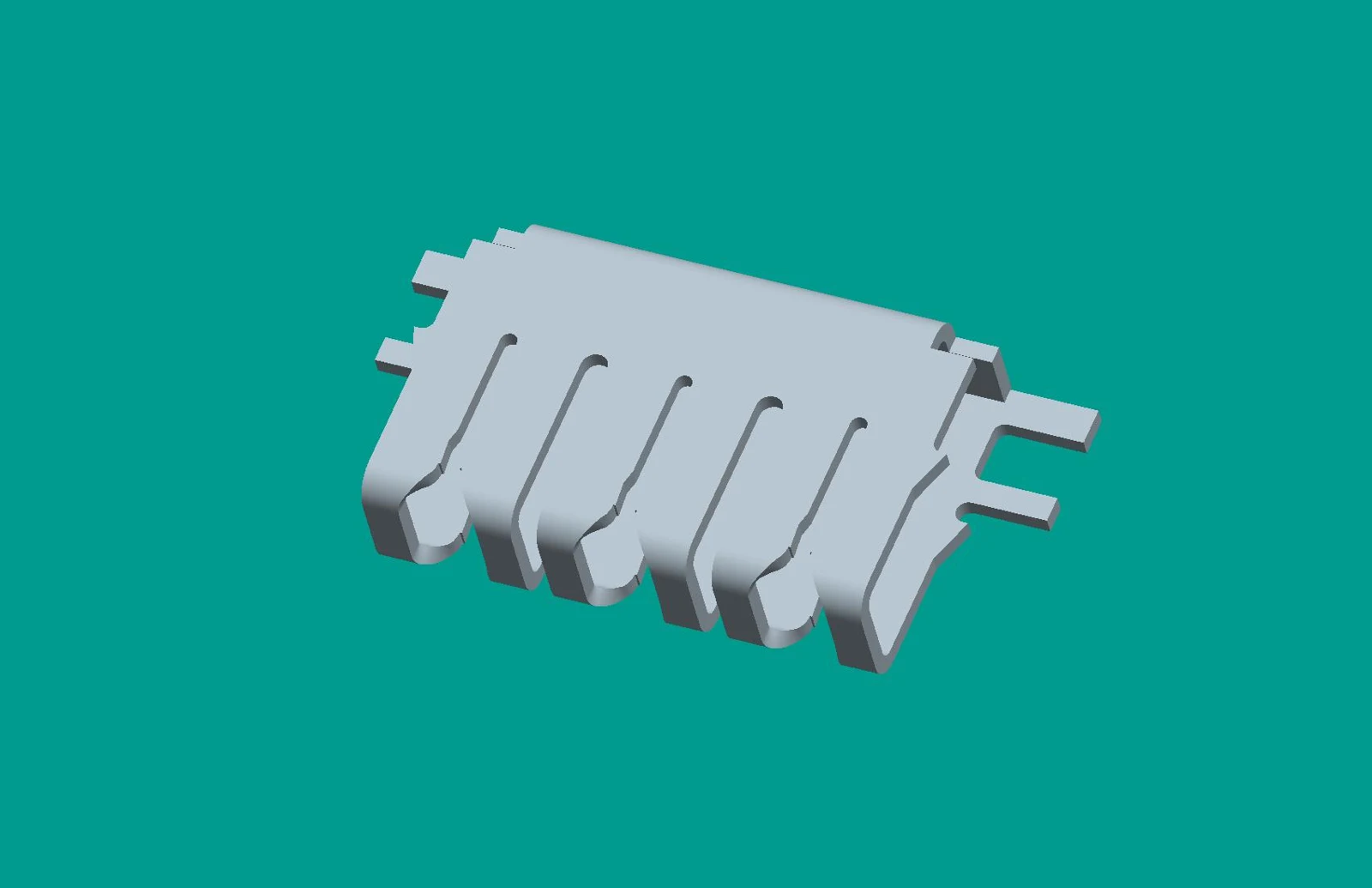 For a related technical reference, see Compressor Connector Durability: Review Start-Stop and Contact-Wear Inputs.
Contents
Part 1. Define the thermal question
State whether the buyer is comparing a released connection, a sample, or an alternate. A temperature-rise question without a defined connection and requirement boundary is not a selection decision.
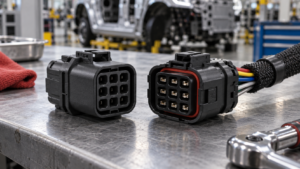
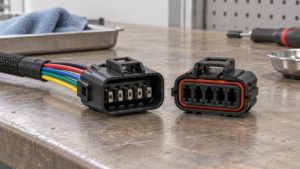
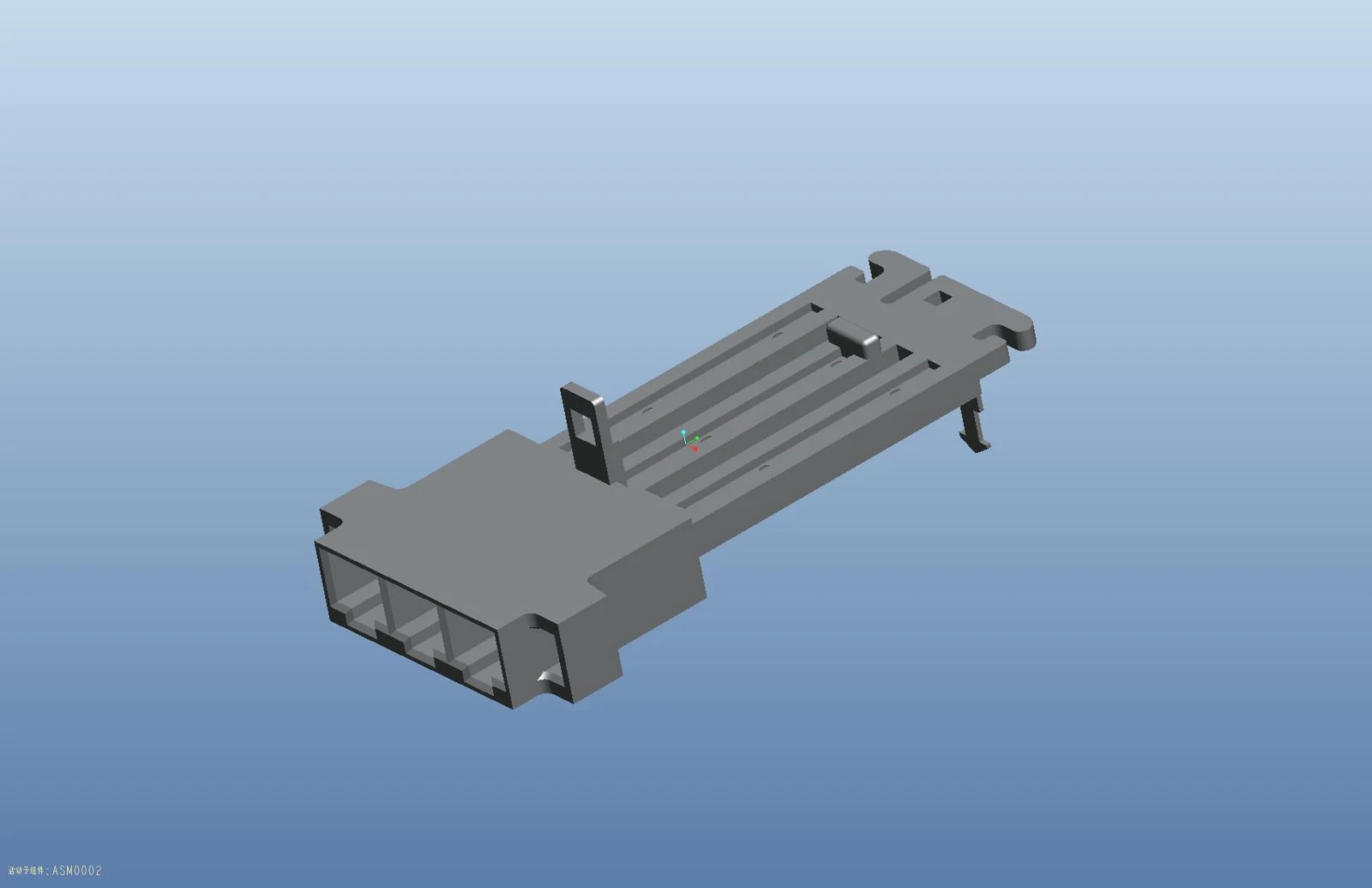
Record the connector, mating part, terminal population, housing, keying, and revision. A similar housing image cannot substitute for controlled drawings.
Important: Do not infer a current or temperature rating from a product image or visible terminal feature. Source: IPC.
Part 3. Record current, ambient, and harness conditions
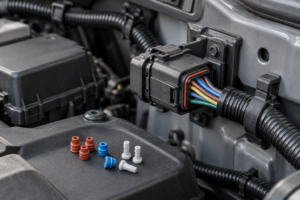
Keep the stated current, ambient boundary, duty context, conductor arrangement, routing, and support conditions with the inquiry. These inputs explain what evidence a project must request.
Part 4. Separate evidence from a rating claim
Ask which configuration an evaluation covers and what conditions were recorded. A sample observation should not become a universal rating for an unlisted terminal, housing, or harness.
Part 5. Build a selection RFQ
| RFQ field |
Provide |
Purpose |
| Connection |
Drawings, mating part, terminal, housing, revision |
Identify the configuration |
| Thermal boundary |
Current, ambient, duty, harness arrangement |
Define the question |
| Evidence request |
Sample objective, records, open questions |
Make review traceable |
| Change control |
Alternate and revision expectations |
Prevent silent scope expansion |
| ## Part 6. Control revisions and use a ZUCH inquiry |
|
|
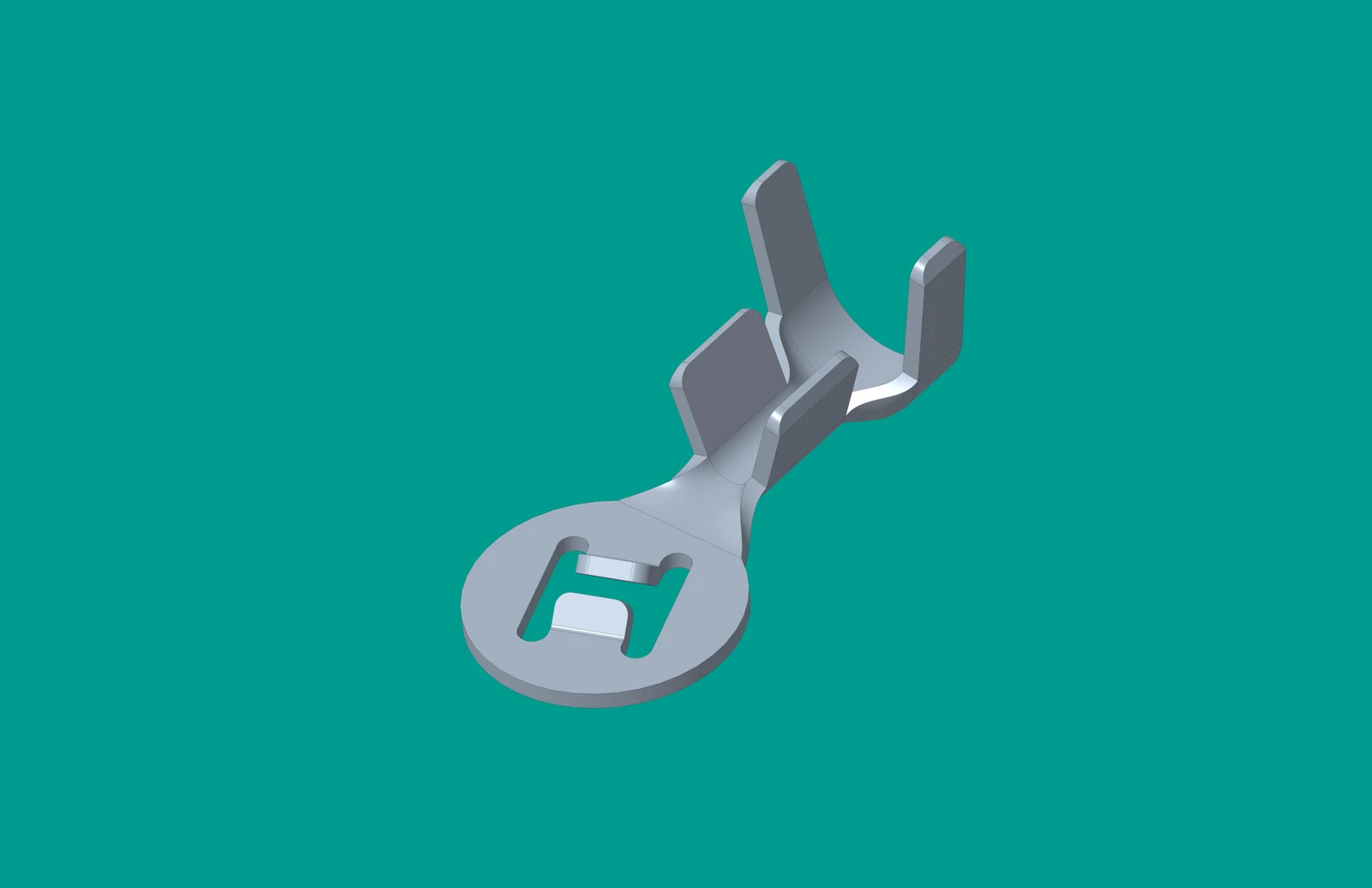
| A changed terminal, housing, route, current condition, or requirement can invalidate an earlier comparison. Use the ZUCH motor connectors route for product-family discovery, then send controlled inputs through the sample request route. See the vibration-retention checklist for a separate evidence lens. |
|
|
 |
|
|
| ## FAQ |
|
|
| ### Is temperature rise a connector-only property? |
|
|
| No. It belongs to the complete connection, conditions, and evidence boundary. |
|
|
| ### Which inputs should be identified first? |
|
|
| Identify connector, mating part, terminal, housing, revision, current, ambient, and harness context. |
|
|
| ### Can a housing image prove a rating? |
|
|
| No. Appearance is not controlled rating evidence. |
|
|
| ### Why record the harness arrangement? |
|
|
| It keeps the thermal question tied to the application rather than a loose component. |
|
|
| ### When should a comparison be repeated? |
|
|
| Repeat it after a configuration, condition, requirement, or evidence-scope change. |
|
|
| ### What belongs in the RFQ? |
|
|
| Send drawings and revision, current and ambient boundary, harness arrangement, sample objective, requested evidence, and change expectations. |
|
|
| ## References |
|
|
| – IPC: interconnection documentation context. |
|
|
| – IEC: standards and application-evaluation context. |
|
|
 Zhejiang ZUCH Technology Co., Ltd.