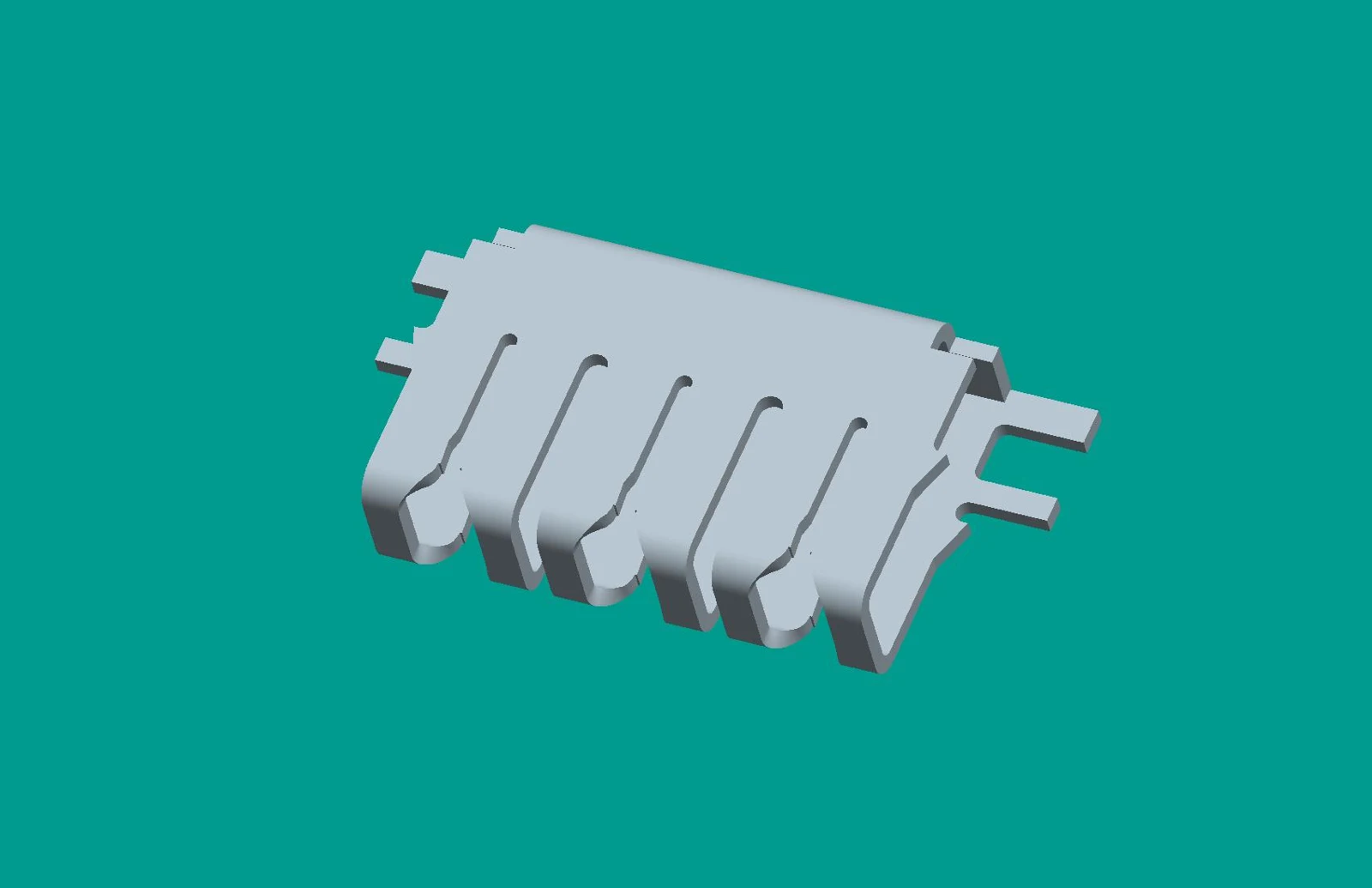
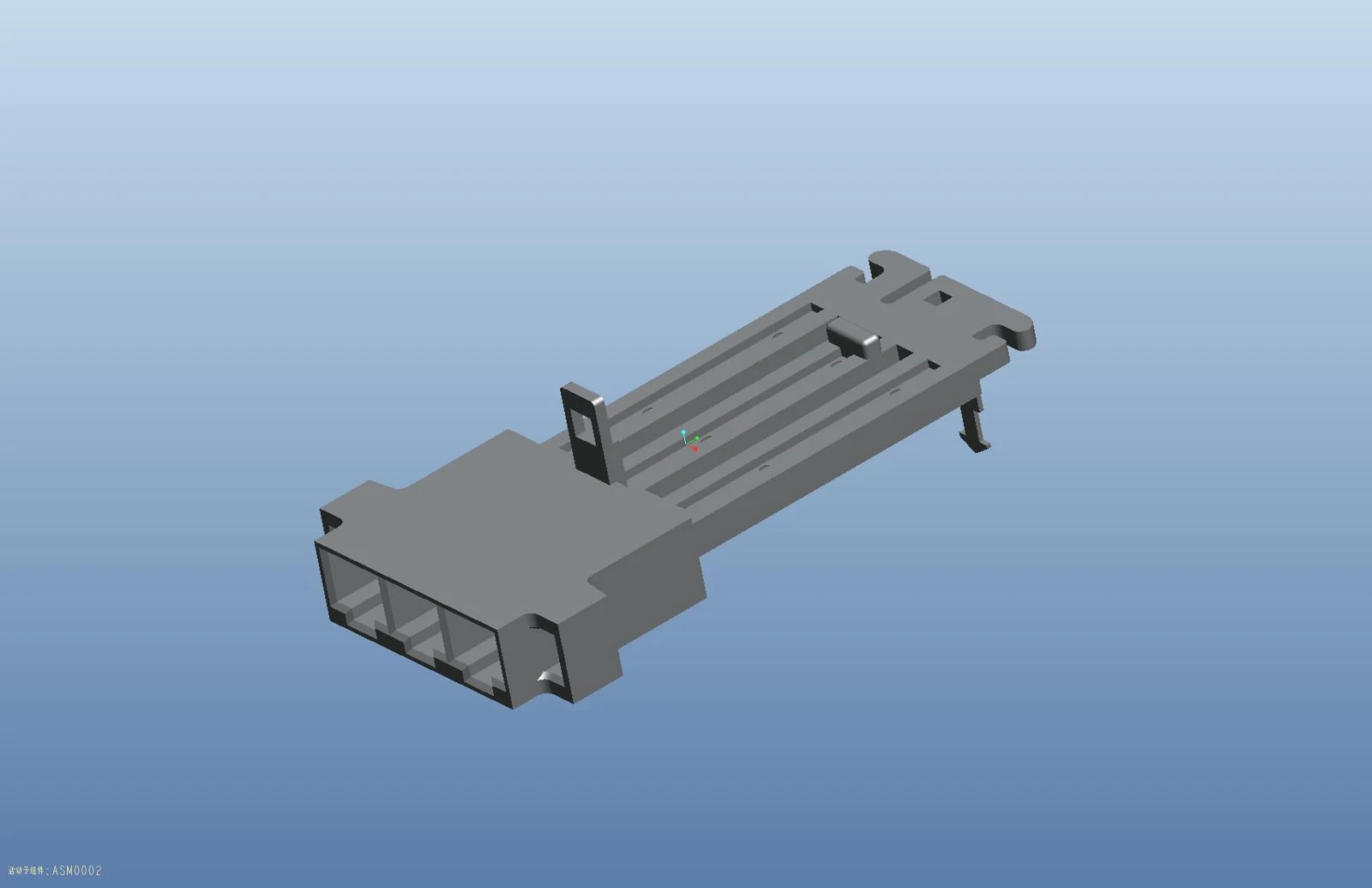
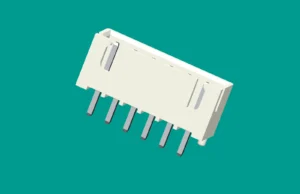
| RFQ field |
Provide |
Purpose |
| Connection |
Drawings, mating part, terminal, housing, revision |
Identify the configuration |
| Thermal boundary |
Current, ambient, duty, harness arrangement |
Define the question |
| Evidence request |
Sample objective, records, open questions |
Make review traceable |
| Change control |
Alternate and revision expectations |
Prevent silent scope expansion |
| ## Part 6. Control revisions and use a ZUCH inquiry |
|
|
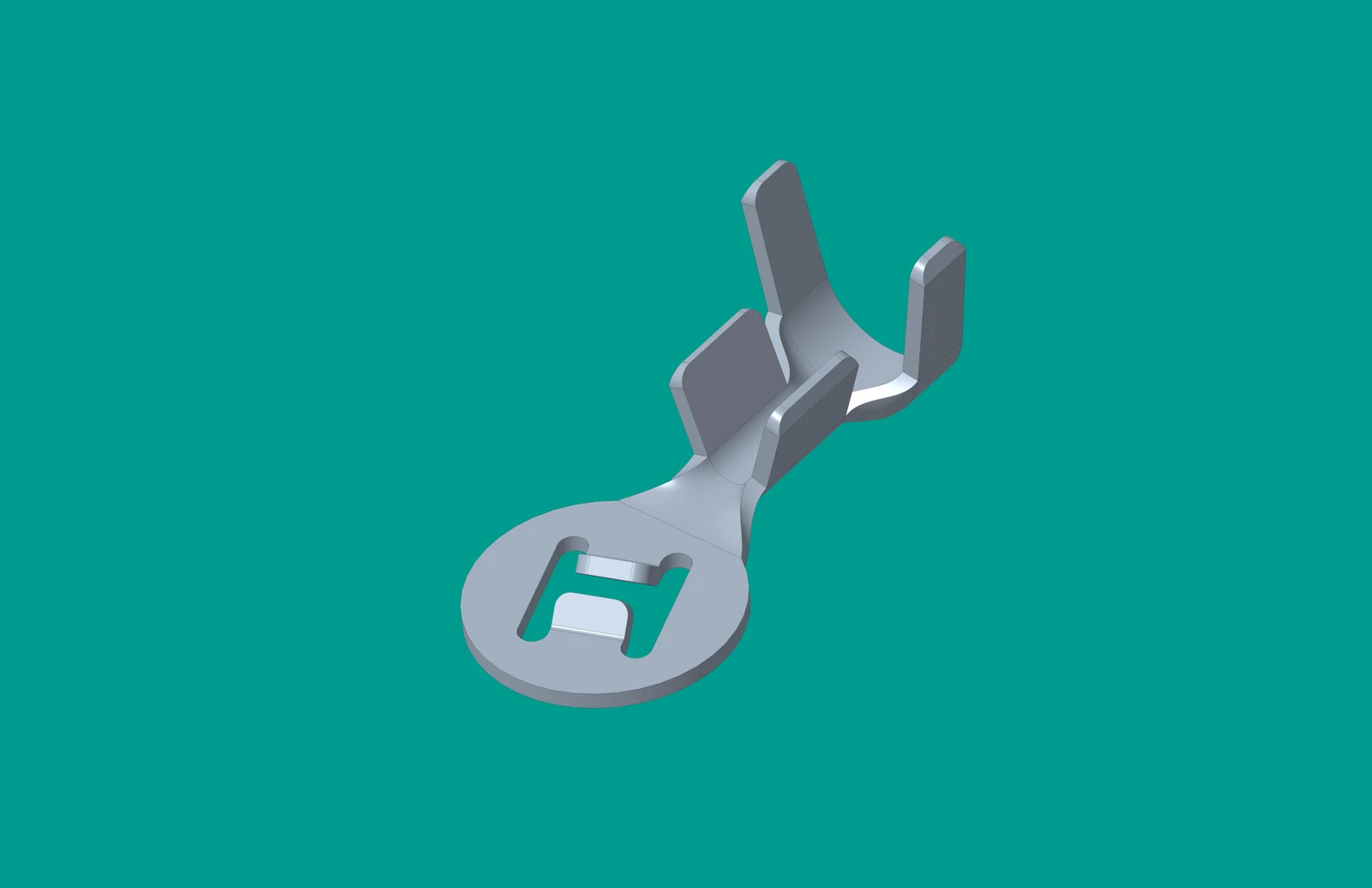
| A changed terminal, housing, route, current condition, or requirement can invalidate an earlier comparison. Use the ZUCH motor connectors route for product-family discovery, then send controlled inputs through the sample request route. See the vibration-retention checklist for a separate evidence lens. |
|
|
 |
|
|
| ## FAQ |
|
|
| ### Is temperature rise a connector-only property? |
|
|
| No. It belongs to the complete connection, conditions, and evidence boundary. |
|
|
| ### Which inputs should be identified first? |
|
|
| Identify connector, mating part, terminal, housing, revision, current, ambient, and harness context. |
|
|
| ### Can a housing image prove a rating? |
|
|
| No. Appearance is not controlled rating evidence. |
|
|
| ### Why record the harness arrangement? |
|
|
| It keeps the thermal question tied to the application rather than a loose component. |
|
|
| ### When should a comparison be repeated? |
|
|
| Repeat it after a configuration, condition, requirement, or evidence-scope change. |
|
|
| ### What belongs in the RFQ? |
|
|
| Send drawings and revision, current and ambient boundary, harness arrangement, sample objective, requested evidence, and change expectations. |
|
|
| ## References |
|
|
| – IPC: interconnection documentation context. |
|
|
| – IEC: standards and application-evaluation context. |
|
|
 Zhejiang ZUCH Technology Co., Ltd.