What is 2 into 1 Automotive Electrical Connectors
A 2 into 1 automotive electrical connector is an important device used to make connections in automotive wiring systems. Whether you want to simplify your connection process or ensure a high-quality electrical flow, these connectors are growing in popularity for DIYers and professionals alike. In this article, we will explore 2 into 1 automotive electrical connector functionality, types available, applications for combining not only one wire with another, but also different types of connectors, and how to successfully crimp and choose the best type of connector for your automobile. By the end of this article, you’ll have all of the information necessary to successfully utilize the 2 into 1 electrical connector in your automobile’s wiring system.

For a related technical topic, see Automotive 3 Way Waterproof Wire Connector.
What Is The 2 into 1 Automotive Electrical Connector?
A 2 into 1 automotive electrical connector is a connector used to join two wires together and connect them to each other as a single electrical circuit. The common use for these 2 into 1 connectors is to simplify the wiring system in the automotive industry by eliminating unnecessary wiring and eliminating loose electrical connections. There are numerous configurations of 2 into 1 automotive electrical connectors available, including 2 pin automotive connector types, which are commonly used for low voltage applications within automotive circuits.
The 2 into 1 automotive electrical connectors are manufactured from very strong and durable materials such as copper within the 2 into 1 connector for conductivity, and plastic for providing insulation and protection from conducting electricity. Connecting headlights, sensors, and other components to the electrical wiring of vehicles are all accomplished with the use of these types of connectors and solving the problem of loose electrical connections, while still providing you with a properly functioning electrical system.
What Are The Benefits of Using a 2 into 1 Automotive Electrical Connector?
There are many benefits associated with using a 2 into 1 automotive electrical connector within an automotive electrical wiring system. The benefits of using this method to join two wires together using a connector are numerous:
- Efficient Installation: Connecting two wires together will make your wiring installation much faster and easier, which means you will save time on installation.
- Space-Saving: By using this method to combine two wires together, you will greatly reduce the amount of clutter in your vehicle’s wiring harness.
- Safe Connection: Using this method to connect wires will greatly reduce the chances of having a loose connection or creating a short circuit/electrical failure.
- Versatile Use: This method can be used for many different types of automotive applications, such as lighting, ignition systems, and more.
Connecting Two Wires to One Connector (Crimping Process)
A frequently asked question by consumers is: How to crimp two wires into one connection? This process may seem somewhat daunting at first, but it is fairly easy to accomplish if you have the necessary tools and follow these steps:
- Preparing Your Wires: Isolate the circuit and strip each conductor only to the length specified by the approved terminal or splice. Do not nick strands or remove insulation beyond the seal area.
- Aligning Your Wires: Do not twist two conductors together unless the connector maker’s application specification explicitly approves that geometry. Multi-wire terminals use a defined crimp barrel and wire range.
- Selecting Your Connector: Use a 2-to-1 splice or housing designed for the two branch wires, their insulation diameters and the circuit environment. A standard 2-pin connector is not automatically a 2-to-1 splice.
- Inserting Your Wires: Place each conductor in its specified cavity or splice position and confirm that insulation support and sealing surfaces are correctly located before crimping.
- Crimping Your Connector: Use the specified terminal, die and crimp tool. A visual check, conductor-crimp inspection and controlled pull or retention check are more reliable than squeezing the connector with generic pliers.
- Testing the Connection: Inspect terminal seating and the secondary lock, then perform the circuit checks required by the vehicle or connector maker. Continuity alone may not reveal voltage drop, overload or a poor seal.
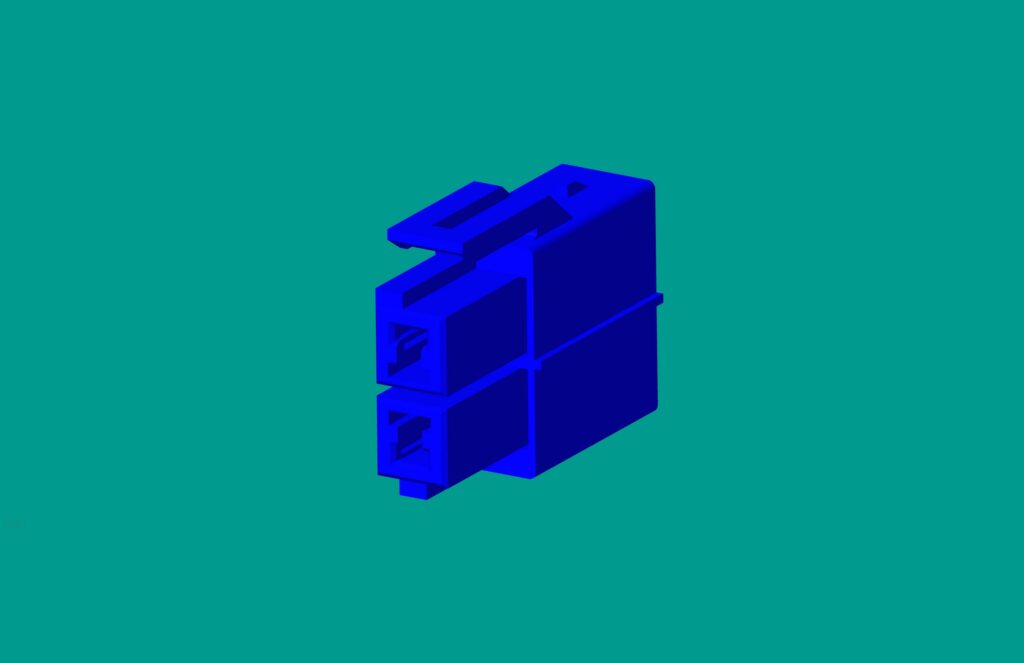
Applications of 2 Pin Automotive Connector Types
2-pin automotive connector types can be utilized widely throughout the various electrical systems on different vehicles. Generally, 2-pin automotive connectors are designed for low voltage wire harness applications. The most common usages of 2-pin automotive connectors are for:
- Headlights
- Tail Lights
- Power Seats
- Vehicle Sensors/Actuators
- Amplifiers/Stereos
- Auxiliary Lighting/Accessories
When selecting a 2-pin automotive connector, be certain to choose a sealed or unsealed option (depending on how exposed it will be to elements) based on use, and whether or not the connector needs protection from moisture, dust, or vibration.
Key Factors While Selecting a 2 into 1 Automotive Electrical Connector
When deciding on the appropriate 2 into 1 automotive electrical connector, the following factors are essential to consider:
- Material Quality: Look for connectors made of long-lasting materials such as nylon or polycarbonate for insulation and tin-plated copper for conductivity.
- Wire Gauge Compatibility: Ensure that the connector is compatible with the gauge size of the wire you intend to use.
- Durability in Harsh Conditions: Select connectors that can withstand extreme environmental conditions, including high temperatures, heavy vibration, and exposure to moisture.
How to Check a 2-to-1 Branch Before Applying Power
A 2-to-1 connector describes the wiring topology, not the allowable load. Before crimping, record the source circuit, the loads on both branch wires, the conductor size and insulation diameter, and whether the joint sits in a dry cabin area or an exposed engine-bay location. The connector, terminal and seal must be rated for that complete combination.
| Check before assembly |
Why it matters |
What to verify |
| Branch load and protection |
A splice does not increase the circuit rating |
Fuse location, load current and vehicle service information |
| Wire and terminal fit |
Two wires may not fit a single cavity or crimp barrel |
Approved wire range, insulation diameter and terminal family |
| Environmental exposure |
Moisture can enter through an incorrect seal or unused cavity |
Sealed housing, wire seals and cavity plugs where specified |
| Mechanical support |
Vibration can pull a branch out of an overloaded crimp |
Strain relief, routing, bend radius and retention |
Do not twist two bare wires together and force them into a standard single-wire terminal unless the terminal maker explicitly approves that configuration. A purpose-designed multi-wire splice, a correctly specified 2-to-1 housing, or an approved pigtail keeps the crimp geometry and retention under control. For a branch feeding separate loads, confirm that each load is protected by the vehicle’s intended fuse and that the connector is not being used as an improvised fuse tap.
Current search questions also show a strong need to distinguish a waterproof 2-to-1 splice from an ordinary butt connector. Products such as heat-shrink multi-wire splices use an adhesive-lined sleeve to limit pull-out and moisture entry, but the product’s wire range and installation method still control the result. Treat those product instructions as the governing source rather than assuming every 2-to-1 connector has the same rating.
FAQs
Q: Can I use a 2-pin connector for high current applications?
A: While 2-pin automotive connector types are generally used for low-voltage and low-current applications, certain heavy-duty options are available for higher current loads. Always consult the manufacturer’s specifications for detailed information.
Q: Are soldering methods better than crimping for automotive wiring?
A: Crimping is usually preferred for automotive wiring due to its ability to withstand vibration. Solder joints can become brittle and may fail under high-vibration conditions.
Q: How do I connect two wires to one wire in a car?
A: Use a purpose-designed 2-to-1 splice or connector whose terminal, wire range and sealing method are approved for the circuit. Do not place two wires into a single-wire terminal without written approval from the connector or vehicle manufacturer.
Q: Do both branch wires need to be the same gauge?
A: Not always. Each wire must be suitable for its own load and fit the connector’s approved range. If the two branch sizes differ, use a splice specifically designed for that combination and verify the crimp tooling and die.
Q: Does a 2-to-1 connector need its own fuse?
A: The connector does not automatically replace circuit protection. Confirm the existing fuse strategy and the combined branch load in the vehicle service information; add or change protection only through an approved circuit design.
Q: Why does a 2-to-1 connection become hot?
A: Heat can indicate excessive load, a loose or under-crimped terminal, mismatched wire size, contamination, or poor mating. Disconnect power, inspect the crimp and contact surfaces, and correct the cause before returning the circuit to service.
By understanding the purpose and use of a 2 into 1 automotive electrical connector, you can save significant time while streamlining or simplifying an automobile’s wiring harness. Using the correct crimping technique and selecting the appropriate 2-pin connectors for your specific applications can help you avoid electrical problems and ensure efficient power transmission. Whether you are a professional mechanic or a car enthusiast, the investment in high-quality connectors is a smart choice for ensuring your vehicle’s future functionality.
Final Takeaway: Treat the Branch as a Circuit Design
A 2-to-1 automotive connection is not approved by pin count alone. Match the branch load, fuse strategy, wire and insulation range, terminal geometry, sealing system and retention method, then verify the completed circuit under its intended conditions.
References and Further Reading
- ISO 8092-2:2023 — road-vehicle harness connector test scope
- IPC/WHMA-A-620 — cable and wire-harness acceptance resource
- TE Connectivity — automotive connector application resources
- NHTSA — vehicle safety and service information context
 Zhejiang ZUCH Technology Co., Ltd.