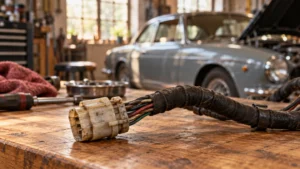
Compressor Connector Durability: Review Start-Stop and Contact-Wear Inputs
When a compressor starts and stops repeatedly, the connector does not automatically experience a mating cycle. The electrical interface may remain mated while current, temperature, vibration and harness forces change. A service disconnect is a separate mechanical event, and a contact can show intermittent behavior without housing damage. This distinction matters when a team asks for “cycle durability.” The useful answer is a defined duty boundary, a named connector and contact configuration, and evidence collected under the actual load and environment. This guide separates those inputs, identifies what to record in an RFQ, and shows where a controlled test or supplier review is still required.
 For a related technical reference, see Motor Connector Temperature Rise: Review Terminal and Housing Inputs. For a service-access perspective, see Quick-Connectors for Serviceable Assemblies: Review Access and Replacement Inputs.
The short answer is that compressor start-stop duty is an operating sequence, while connector mating life counts intentional insertion and removal of the connector pair. IEC 60512-1:2018 describes a framework for connector tests and measurements; the applicable detail specification must define the method, severity and permissible limits. A cycle claim is meaningful only after the team states whether it means energized operation, thermal exposure, vibration, or physical mating. Next, record the contact system, current and temperature conditions, routing, moisture boundary and the pass/fail observation to be checked.
Contents
How should compressor start-stop duty be defined?
Define the operating event before discussing durability. A start command, motor energization, pressure change, shutdown and restart can form one operating sequence while the connector stays fully mated. The sequence can expose contacts to changing current and temperature without creating a new mating event. State whether the review covers only energized operation, the complete appliance sequence, or a maintenance intervention that includes disconnect and reconnect.
Record the load state at each transition: current path, voltage, control state, ambient and local temperature, moisture or condensation boundary, and any inrush or switching condition supplied by the appliance owner. IEC 60512-5-2:2002 describes a current-temperature derating test at elevated ambient temperature; it does not provide a universal current rating. Use documented application inputs to choose the relevant test and acceptance limits.
Why is an operating cycle different from a mating cycle?
An operating cycle changes the electrical and thermal state of a mated interface. A mating cycle physically moves the plug and receptacle through separation and re-engagement, changing contact wipe, retention and alignment conditions. Treating them as interchangeable can produce the wrong test fixture, an irrelevant acceptance limit, or an unsupported life statement.
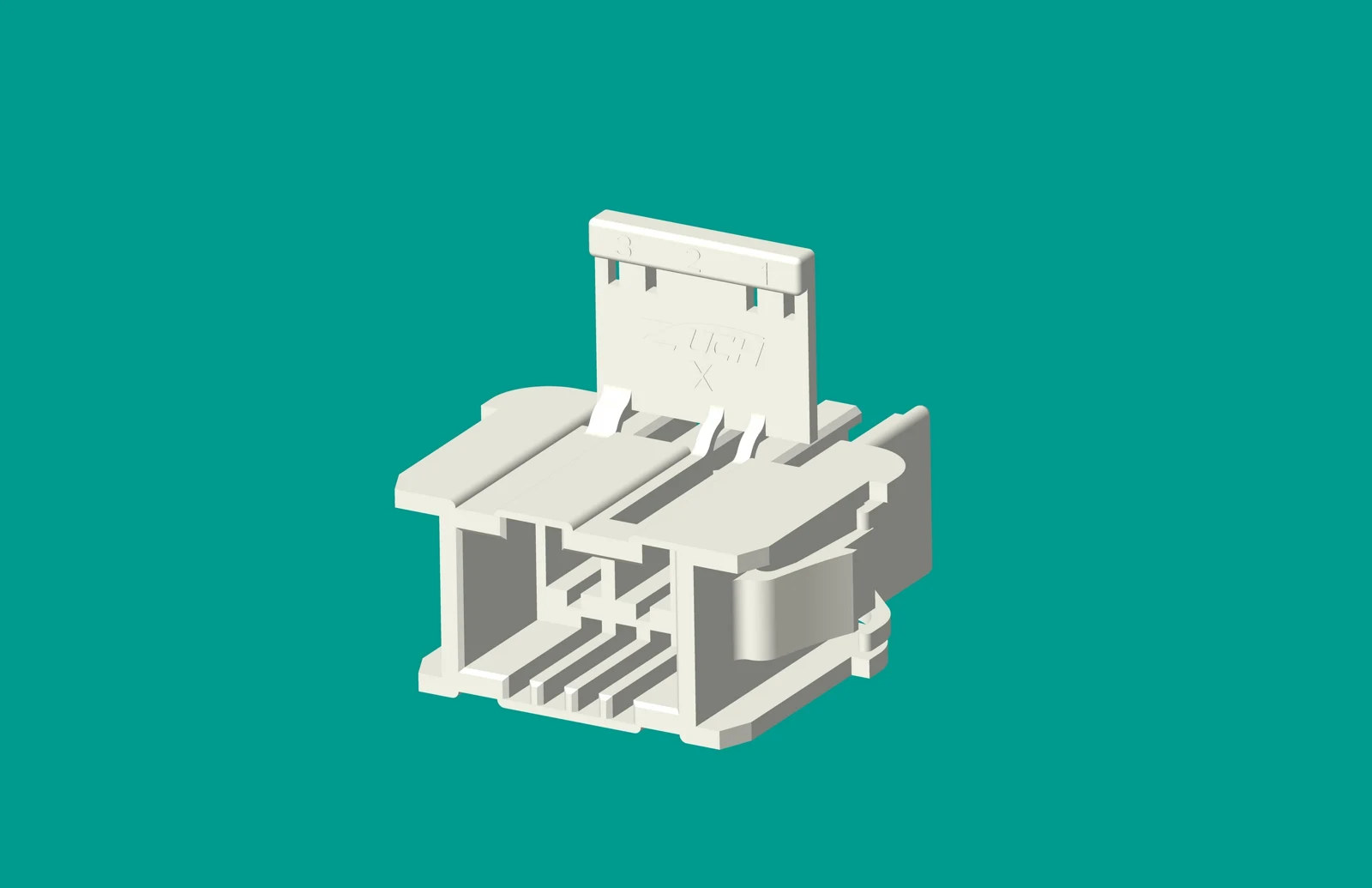
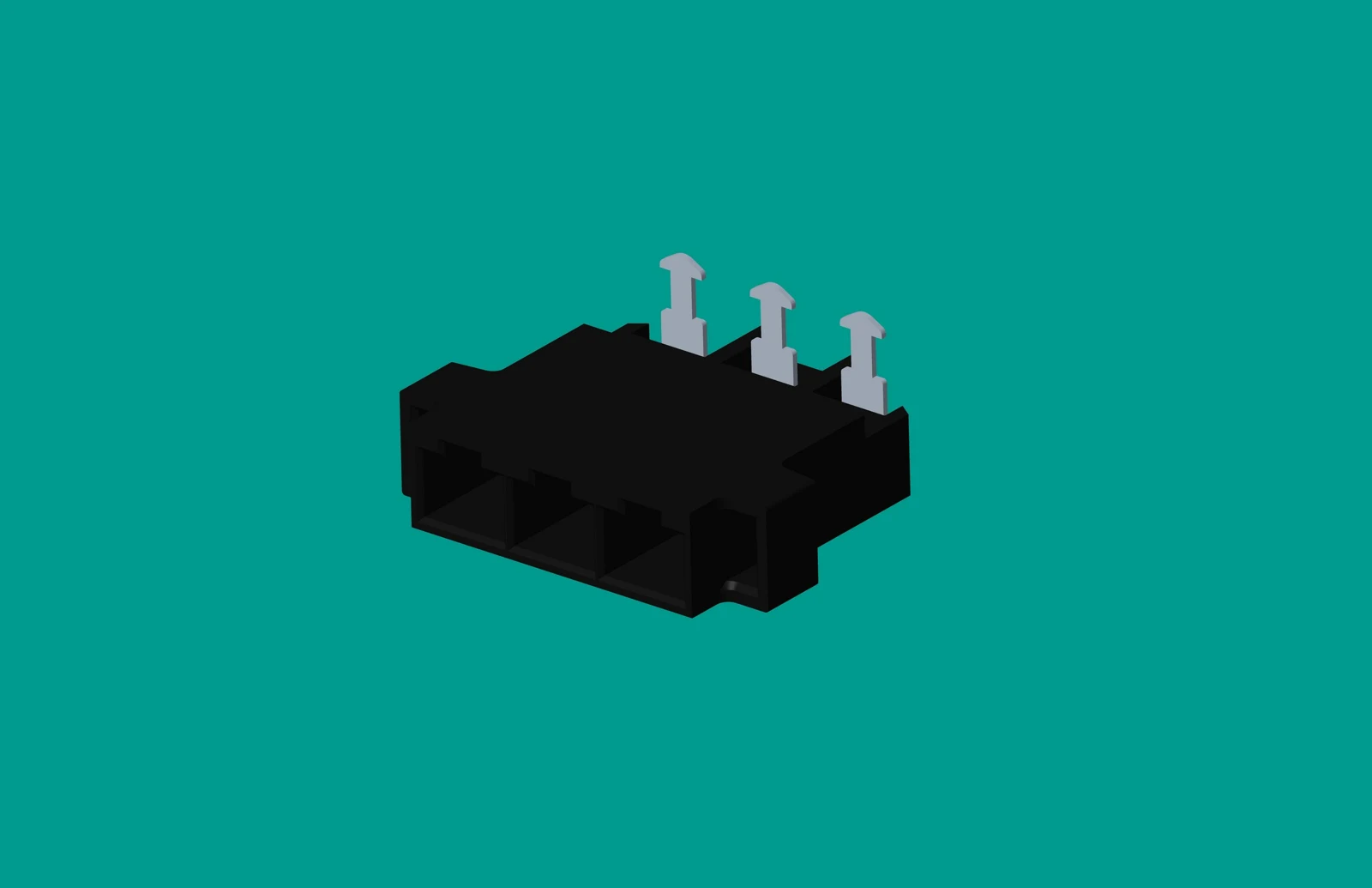
Record the connector family, plug and mating part, contact arrangement, terminal or crimp system, housing, keying, latch or secondary lock, wire size and released revision. A compressor harness may be assembled once and serviced later; contact, retention and termination should therefore be reviewed as one system. Similar-looking contacts do not establish interchangeability, mating life or electrical suitability.
Evidence boundary: IEC 60512-1:2018 supplies generic test and measurement guidance. The detail product specification selects tests, severity and permissible limits; a catalogue image or unqualified cycle phrase cannot replace it.
Separate planned service disconnects from compressor operating events. If a repair requires depinning, terminal replacement or a new housing, record that boundary as a configuration change. Reusing a contact after an unplanned extraction should not be counted as an ordinary operating sequence without an explicit disposition.
Which harness and appliance conditions affect an in-situ contact?
Review the connector where it is installed, not only as a loose sample. Record harness route, bend restraint, support points, clamp locations, connector orientation, nearby heat sources, enclosure, moisture path and access for inspection. Compressor vibration can transfer through the harness and retention system even when the connector has never been unplugged. If a fixture does not reproduce those forces, describe its limits rather than presenting it as an appliance result.
How do thermal cycling and vibration interact with electrical continuity?
Current produces a temperature condition that can differ from ambient, while compressor operation can add vibration and movement. Monitor continuity or resistance at a defined location and load while the assembly follows the specified sequence. IEC 60512-11-1:2019 covers a climatic sequence of temperature, humidity and, where required, low air pressure when the detail specification calls for it; it does not establish a universal environmental life claim.
What does an in-situ contact review need to capture?
Capture the mated state, applied electrical load, temperature points, vibration or movement input, enclosure boundary, measurement method, observation time and acceptance criterion. A visual check can identify damage or disengagement, but cannot by itself prove that an energized circuit stayed within an electrical limit. Keep photographs, instrument records and configuration identifiers together so an intermittent event can be traced to the right assembly.
How should wear and electrical intermittency evidence be recorded?
Record what changed, when it changed and under which condition. Useful observations include latch position, terminal retention, contact witness marks, housing damage, continuity state, resistance trend, temperature rise and any movement that coincided with an interruption. Label a finding as visual, mechanical or electrical; do not convert one observation into a general life promise.
IPC’s public standards revision table is a document-status reference, not a workmanship limit or connector-life certificate. When an assembly requirement is cited, name the exact document and revision supplied by the responsible engineering organization. If the test method, load or acceptance boundary is missing, keep it as an open question for the supplier or appliance owner.
When does a disconnect or repair reset the evidence boundary?
Reset the boundary when the connector is unmated, a terminal is removed, a seal or lock is disturbed, a wire is rerouted, or the housing/contact revision changes. Document the reason, method and resulting configuration. A repaired assembly may be acceptable for a new evaluation, but its evidence should not be merged silently with data from an untouched mated assembly.
What should the application RFQ and decision table contain?
Ask the supplier to respond to the actual interface and duty rather than a headline cycle number. Keep the selection fields below, then add the load and diagnostic conditions needed to interpret the response.
| RFQ field |
Provide |
Purpose |
| Connection |
Connector, mating part, contact, housing, keying and revision |
Identify the complete interface |
| Duty |
Start-stop event, operating state and service disconnect boundary |
Separate operating and mating cycles |
| Load |
Current, voltage, inrush or switching state, temperature points and method |
Make electrical evidence comparable |
| Movement |
Harness route, support, vibration input, enclosure and moisture path |
Preserve installed context |
| Evidence |
Sample objective, records, acceptance limit, open questions and change control |
Make review traceable |
Which result should trigger a deeper supplier review?
| Observation |
First check |
Boundary |
| Intermittent continuity |
Correlate trace with movement, load and temperature |
Do not infer mating wear without a disconnect record |
| Wear after service |
Confirm mating part, extraction method and revision |
Treat repaired configuration as a new evidence set |
| Unexpected temperature rise |
Recheck current, ambient, conductor and location |
IEC 60512-5-2 is a method, not a universal rating |
Reopen the review after a contact, housing, route, duty, load or requirement change. Use the ZUCH appliance solution route for application discussion and the sample request route when controlled samples or inputs are needed. The motor connector vibration-retention checklist provides a separate evidence lens.
Frequently asked questions about compressor connector cycles
Does a compressor start-stop count as a connector mating cycle?
No. It is normally an operating event while the connector remains mated. Count physical separation and re-engagement separately, and define any service boundary.
Which load conditions belong in a durability request?
State current, voltage, switching or inrush state, ambient and local temperature, conductor details and measurement point. Without those inputs, a cycle statement cannot be compared fairly.
Can thermal cycling prove mating life?
No. Thermal or climatic exposure evaluates a specified environmental sequence. Physical mating life requires its own mechanical method and acceptance limits.
Why test continuity while the connector is installed?
An in-situ check can correlate an interruption with harness movement, vibration, temperature or load. A loose sample may not reproduce those forces.
When should a repair restart the durability review?
Restart or re-scope it when a terminal is extracted, a lock or seal is disturbed, the route changes, or the connector revision changes. Record the new configuration separately.
Does IEC 60512-5-2 provide a universal connector current rating?
No. It describes a current-temperature derating test method. The product specification and application conditions determine relevant limits.
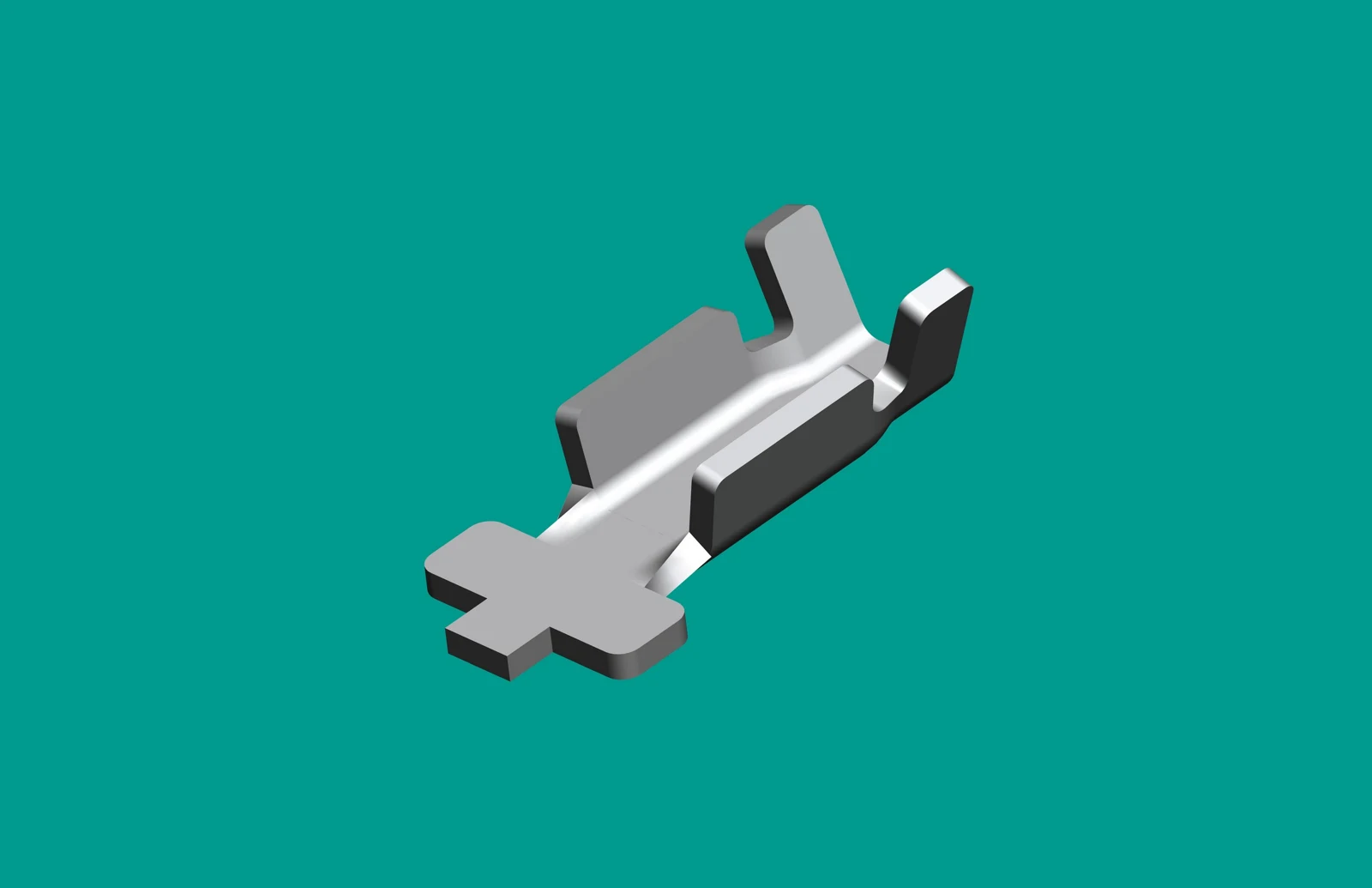
Can a product image prove contact-wear durability?
No. An image identifies visible context, but does not document contact force, mating history, load, environment or an acceptance result.
References
- IEC 60512-1:2018 — generic connector test and measurement framework; detail specifications set severity and limits.
- IEC 60512-5-2:2002 — current-temperature derating test method at elevated ambient temperature.
- IEC 60512-11-1:2019 — climatic sequence method for specified temperature, humidity and, where required, low-air-pressure stresses.
- IPC Standards Revision Table — public document names and revision/status information, not workmanship limits.
Conclusion
Treat compressor start-stop duty and connector mating life as two linked but different questions. First identify the mated interface, operating sequence, electrical load, thermal boundary and harness forces. Then decide whether the evidence must cover in-situ continuity, climatic exposure, vibration, physical mating, or a service repair. Define the measurement method and acceptance limit before comparing results, and reopen the review after any contact, housing, route or requirement change. The verification boundary matters: IEC methods provide a structured way to test, but they do not create a universal cycle count or prove performance for an unlisted assembly. ZUCH can support an appliance connector inquiry with controlled product, sample and application inputs so the selected evidence matches the released configuration.
 Zhejiang ZUCH Technology Co., Ltd.