A Complete Guide to Automotive Electrical Connectors
The increased complexity of automotive electrical circuits means that it’s critical to select the right automotive electrical connectors for your vehicle to ensure optimal performance, reliability, and safety. By familiarizing yourself with connector types, applications, and best practices, you will be able to select the correct connector more accurately and avoid delays and expensive rework as a result of incorrect connector selection. This guide will also discuss vehicle electrical connectors, including specialized connectors that can be used in modern vehicles.
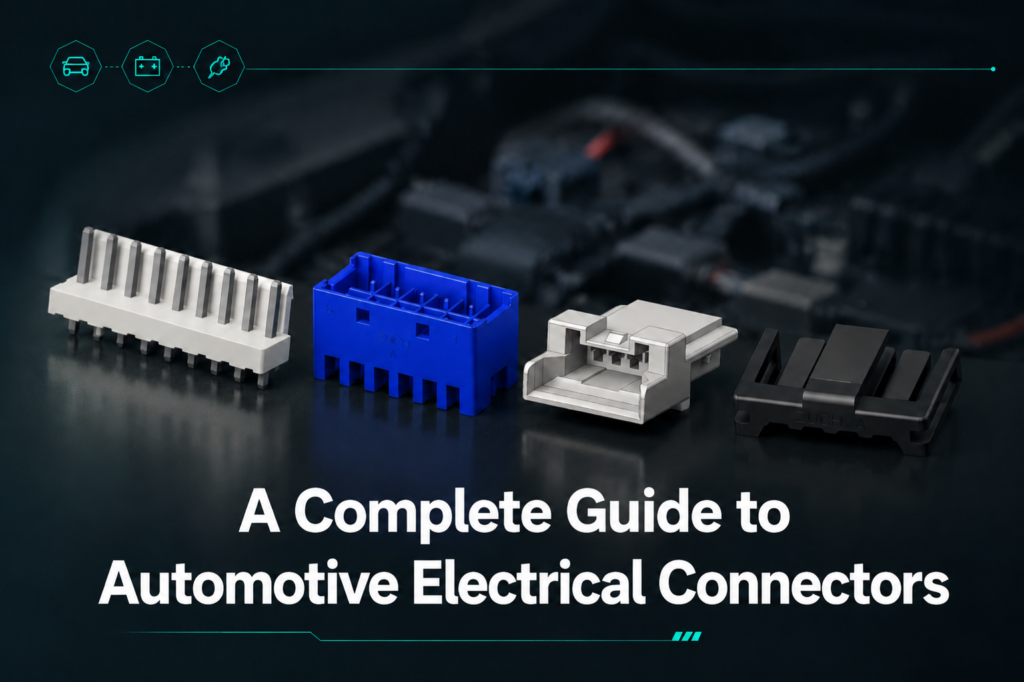
What Are Automotive Electrical Connectors?
Automotive electrical connectors are an important component of automotive electrical systems, as they are used to join or connect electrical circuits together within a vehicle. The purpose of the connector is to provide a secure and reliable electrical circuit connection between all of the wiring, signals, sensors, modules, etc. in an automotive electrical system. High-quality connectors will be able to withstand vibrations, moisture, heat, and corrosion, and thus are critical to the long-term safety and reliability of the vehicle. Some reasons for using waterproof automotive connectors include protecting from harsh conditions that may be found in an engine compartment or at an external location such as where an external sensor is connected to a vehicle wiring system. Choosing automotive wire connectors therefore starts with the circuit and exposure conditions, not appearance alone.
How to Select the Right Connector
Connector selection is dependent upon several factors:
- Current Rating: Make sure that the current rating of the connector is appropriate for the current load that will be passing through it so that it does not overheat.
- Environmental Resistance: Consider what environmental conditions (such as water, dirt, and chemicals) the connector may be exposed to. Use waterproof automotive connectors as appropriate.
- Wire Gauge Compatibility: Select a connector that is compatible with the wire size you will be using so that it operates properly.
- Connection Methods: Depending on your application, you will need to determine if you require a crimped, soldered, or push-in connection method for your connector.
- Durability: Automotive connectors need to have sufficient durability to withstand vibrations and mechanical stresses. For multi-pin automotive connectors, use multi-pin automotive connectors to connect multiple wire circuits together in a common connector.
Common Automotive Wire Connector Types
Automotive wire connectors are commonly used as electrical connectors for splicing and connecting wires together. Common types include:
- Butt Connectors – Used for joining two pieces of wire end-to-end.
- Ring Connectors – Used to provide a secure connection to a stud or screw.
- Spade Connectors – Allow easy connection and disconnection from the terminal.
- Quick Disconnect Connectors – Used when the components need to be disconnected often.
- Bullet Connectors – Ideal for connecting one wire to another.
- Weatherproof Connectors – Prevent moisture and corrosion due to being sealed from the elements.
Comparison Chart of Common Types of Electrical Connectors
| Type of Connector |
Advantages |
Disadvantages |
Typical Application |
| Butt Connector |
Easy to install, inexpensive, good for repair |
Limited current capacity, requires proper crimping |
Wire Splicing, Lighting, Small Accessories |
| Ring Terminal |
Strong Connection, Resistant to Vibration |
Requires stud or screw to install |
Batteries, Grounding, Motors |
| Spade Connector |
Quick connect and disconnect, Easy to replace |
Will not provide as strong of a connection when used in an area with heavy vibration |
Switches, Relays, Sensors |
| Bullet Connector |
Compact size, Easy to join and disconnect |
Can corrode if not water sealed |
Lighting, Small Motors, Harness Connectors |
| Weatherproof Connector |
Water and dust sealed |
Higher cost, Slightly larger than other connectors |
Engine Compartments, External Sensors |
| Multi Pin Connector |
Provides a method to handle multiple wire circuits, Organizes wiring |
Complex installation, Larger size than single conductor connectors |
Engine Control Module, Infotainment systems, Sensor Modules |
What Are The 7 Types of Cable Connectors?
There are seven commonly used cable connectors:
- USB Connectors – Connect devices for data transfer and charging.
- HDMI Connectors – Connect devices for video and audio transmission to infotainment systems.
- Coaxial Connectors – Connect radios and antennas.
- RJ45 Connectors – Useful for automotive Ethernet applications.
- Power Connectors – Manage high-current connections in electric vehicles.
- DIN Connectors – Used for older audio or control systems.
- Automotive-specific Multi-pin Connectors – Used for modern systems like sensors, ECUs, and lighting.
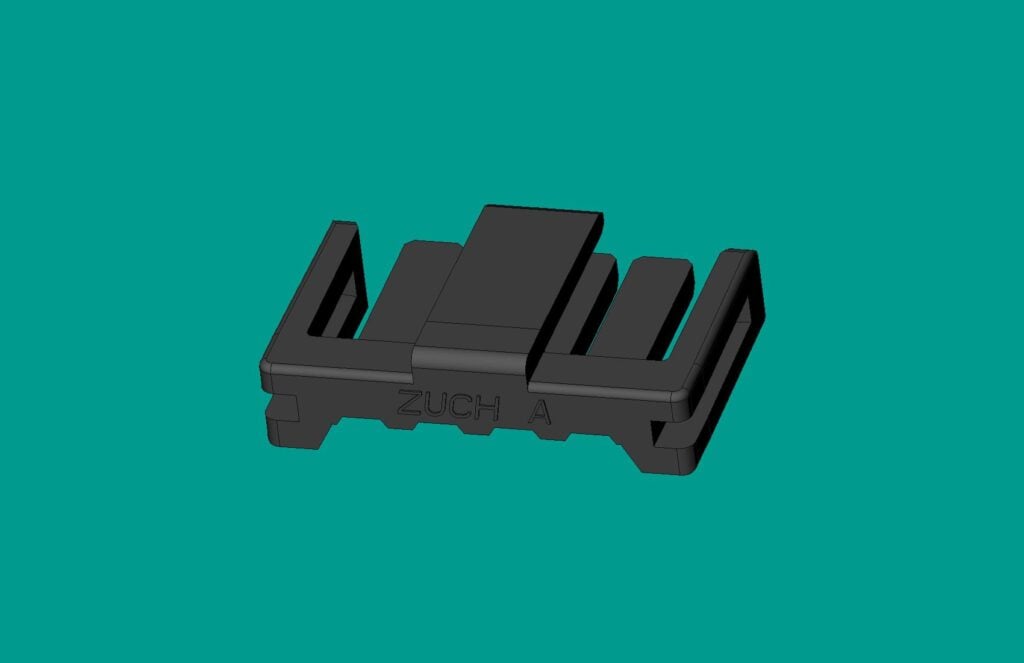
Automotive Electrical Connector Installation Tips
- Strip wires to the correct length without nicking the conductor.
- Use the correct crimping tool for your specific connector type.
- Check the polarity and make sure pins are aligned before securing the connection.
- Apply dielectric grease to exposed connectors to prevent corrosion.
- Test all circuits before completing the installation process.
Most Common Mistakes When Working With Automotive Electrical Connectors
- Using connectors not designed for automotive environments.
- Over-crimping or under-crimping connections.
- Mismatching wire gauge and connector size.
- Ignoring the effects of temperature fluctuations and vibrations.
Long-Term Maintenance Tips for Automotive Electrical Connectors
- Inspect connectors regularly for signs of corrosion, cracks, or looseness.
- Clean connectors with electrical contact cleaner as part of routine maintenance.
- Immediately replace any damaged or worn connectors.
- Keep spare connectors handy for emergency repairs.
FAQ
-
Can I use generic connectors for automotive applications?
- Generic connectors are not designed to withstand automotive stresses like vibrations, heat, or moisture. Always use vehicle electrical connectors specifically designed for such environments.
- What is the difference between crimp and solder connectors?
- Crimp connectors use mechanical pressure for a secure connection, while solder connectors rely on molten solder. Crimps are better for vibration-heavy areas, while solder provides a more stable connection in vibration-free environments.
-
How do I choose the correct wire gauge?
- Check the circuit’s current rating and select a gauge that matches the load capacity.
- Are waterproof automotive connectors necessary for the engine compartment?
- Yes, they are necessary to protect against environmental factors like heat, moisture, and chemicals.
-
Can automotive wire connectors be reused?
- Some connectors, like quick disconnects, are reusable, but crimp connectors are typically single-use and need replacement.
-
What is the lifespan of automotive electrical connectors?
- When properly maintained, high-quality connectors can last the vehicle’s lifetime, typically 10–15 years or more.
-
Are there specialized connectors for electric vehicles?
- Yes, EVs require high-current, high-voltage connectors for battery systems, charging ports, and complex circuitry.
By understanding automotive electrical connectors, vehicle electrical connectors, and specific types like waterproof automotive connectors and multi-pin automotive connectors, you can ensure reliable performance, reduce electrical failures, and extend your vehicle’s electrical system lifespan.
What is the first specification to define when choosing an automotive electrical connector?
Start with the circuit and application: voltage, current, signal type, wire, mating interface, environment, service plan, and required evidence. Pin count or connector appearance alone is not enough to select the system.
Can a generic electrical connector be used in a vehicle?
Only when its housing, terminals, wire range, insulation support, sealing, retention, ratings, environment, and validation match the vehicle or equipment requirement. “Generic” is not a compatibility category.
How do I choose between a sealed and unsealed automotive connector?
Choose from the actual exposure boundary and service context. Review splash, dust, fluids, condensation, enclosure, cable entry, mating condition, cavity plugs, wire seals, and inspection requirements as one system.
Why can an automotive connector overheat even when its nominal current rating looks adequate?
Heating can result from contact resistance, a poor crimp, partial mating, terminal back-out, high ambient temperature, adjacent loaded circuits, undersized wire, or an incorrect rating basis. Diagnose the complete electrical and mechanical path instead of relying on the label alone.
What should I test after installing or repairing an automotive connector?
Follow the applicable procedure for continuity, unintended shorts, polarity, terminal retention, latch or secondary-lock engagement, contact resistance or voltage drop where specified, sealing, and functional operation. High-voltage and safety circuits require the vehicle maker’s trained-service process.
How long should an automotive electrical connector last?
There is no universal service-life number. Life depends on the connector system, mating cycles, load, temperature, vibration, fluid exposure, sealing, assembly quality, and service conditions. Use the supplier or vehicle program’s durability evidence rather than a generic year estimate.
Engineering Update: An Eight-Gate Selection Workflow
The original connector categories are useful for orientation, but a reliable selection needs a controlled sequence. Work through these gates before ordering a replacement or approving a new automotive electrical connector:
- Define the circuit: record voltage, continuous and peak current, signal or data type, polarity, shielding, and whether the circuit is safety-related.
- Define the wire: record conductor size, strand construction, insulation diameter, jacket material, strip length, and any twisted-pair or shield requirement.
- Define the interface: confirm housing, mating half, cavity layout, keying, latch, terminal family, contact sex, and viewing orientation.
- Define the environment: describe splash, dust, salt, condensation, fluids, heat, vibration, pressure changes, UV, and service access rather than relying on “automotive grade.”
- Define the assembly: choose the approved terminal, crimp tooling, wire seal, cavity plug, secondary lock, rear cover, strain relief, and inspection method together.
- Define the validation: state continuity, isolation, contact resistance, retention, mating force or cycles, vibration, temperature, and sealing checks that apply to the program.
- Define the sourcing record: freeze part numbers, revisions, approved alternates, tooling ownership, traceability, and change-notification requirements.
- Release only with evidence: compare the sample and records with the same interface definition used for the purchase decision.
Corrections to Common Selection Shortcuts
A higher current label does not establish the allowable current in every wire, temperature, or adjacent-circuit condition. A larger pin count does not establish a compatible mating half. A visible seal does not prove the finished assembly’s ingress performance. A continuity beep does not prove retention, contact resistance, isolation under load, or environmental durability.
Dielectric grease, seal lubricant, or other assembly aids should be used only when the connector maker or vehicle service procedure permits them. An incorrect lubricant, excess material, or contamination on a contact interface can create a new failure mode. Keep the connector, terminal, wire, seal, tool, and inspection criteria tied to the released drawing.
References and Further Reading
- ISO 8092 road vehicles — connections for on-board electrical wiring harnesses
- IPC/WHMA-A-620 cable and wire harness acceptance resource
- TE Connectivity automotive connector systems
- Molex automotive solutions
 Zhejiang ZUCH Technology Co., Ltd.