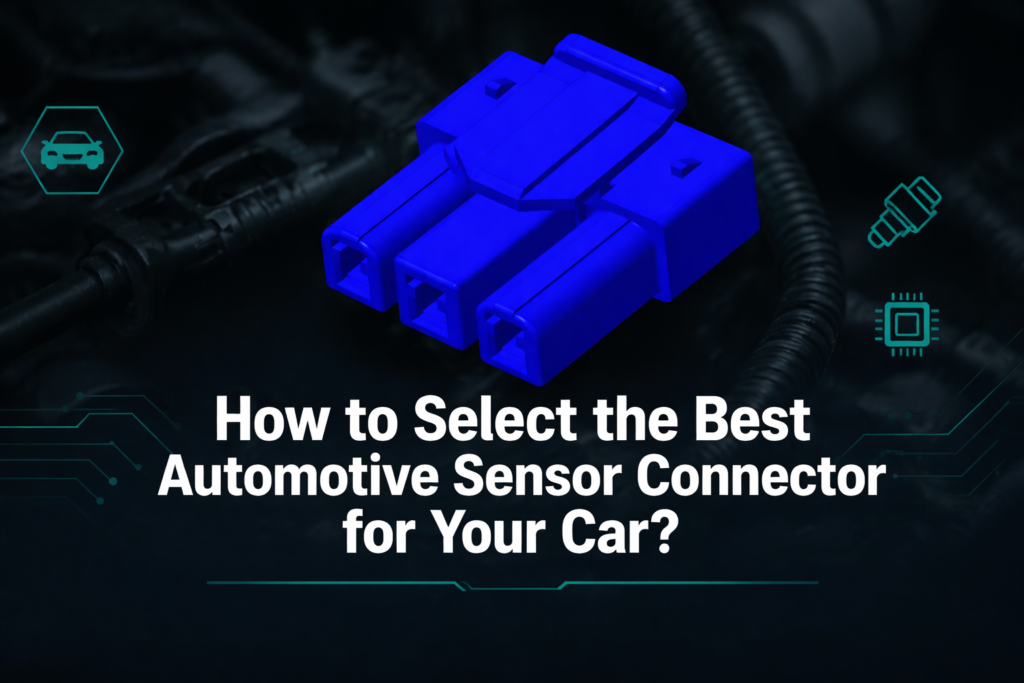
How to Select the Best Automotive Sensor Connector for Your Car?
In making sure that your car runs efficiently, you need to use a high-quality Automotive Sensor Connector. The connector is what allows information from the sensors to be relayed to the electronic control unit (ECU). If you use an incorrect or defective connector, you may receive bad data or install a connector that does not give reliable data (e.g., an inaccurate transmission of sensor data), leading to decreased efficiency or a severe safety problem in your vehicle. This article discusses the processes for selecting the correct automotive sensor connector for your purposes; discusses key points to consider in the selection of connectors for a specific application; and answers commonly asked questions about automotive sensor connectors.
For a related technical topic, see Automotive Connectors and Terminals.
Importance of Automotive Sensor Connectors
Automotive sensor connectors are a basic part of ensuring the proper communication of automotive signals between an automobile’s vehicle sensors and its on-board systems. For example, Car Sensors Connectors, like oxygen sensors, temperature sensors, and speed sensors, relay information to the ECU so that it can optimize the performance of the engine, improve fuel economy and implement safety systems (e.g., ABS brakes). When the connectors are functioning properly and are installed correctly, they provide a continuous, accurate communication path between the sensor and the ECU, so that your automobile will run normally.
Factors to Consider When Choosing an Automotive Sensor Connector
When selecting the correct Automotive Sensor Connector for your automobile, there are several things that you should take into consideration. Here are some of the factors that you should keep in mind:
1. Vehicle Compatibility
Not all connectors are universal. Ensure the connector matches your vehicle’s specific make, model, and year. Refer to your car’s service manual or consult an expert for proper compatibility.
2. Connector Material
Connectors for automotive sensors will likely be exposed to harsh environmental conditions including, but not limited to, heat, moisture, and vibration. When selecting a connector, be sure to select one manufactured from materials that are durable, such as high-temperature plastics, to maximize the life of the connector. In addition, if the vehicle will be used in extreme climates, connectors should have excellent thermal durability as well as environmental durability.
3. Water and Dust Resistance
Connectors need to have an IP rating to ensure that they are water- and dust-resistant. Many vehicles will call for IP67-rated connectors to prevent exposure to outdoor environmental elements such as mud, rain, or snow.
4. Electrical Requirements
Each type of sensor or system will have different voltage/current requirements. Ensure that the automotive electrical connectors that you use meet or exceed the specified electrical requirements for the specific sensor or system type to prevent performance-related failures or damage.
5. Ease of Installation
There are many features on modern automotive connectors that will facilitate user ease. For example, many modern connectors have the features of quick-connect mechanisms or color-coded designs, making installation as easy and quick as possible. These features will also help to save time and prevent mistakes during connector replacement or installation.
6. Cost and Quality
Cost is an important aspect, but cost should never come at the sacrifice of quality. When selecting an automotive sensor connector, you should look for reputable brand or OEM connectors, as they’re most likely to meet applicable standards and will last longer than inferior quality items.
Types of Automotive Sensor Connectors and Their Uses
The way in which you can narrow down your choice of connectors will vary based on their type and intended use. Here are some examples:
- Blade Connectors: Blade connectors are typically used in automotive wiring systems to provide a connection for low-to-moderate current devices (i.e. lighting circuits).
- Weather-Sealed Connectors: Weather-sealed connectors are intended for use in severe or harsh conditions and protect the connector from moisture, dirt, and corrosion. They’re most commonly used in engine bay environments where there’s a high risk of contamination.
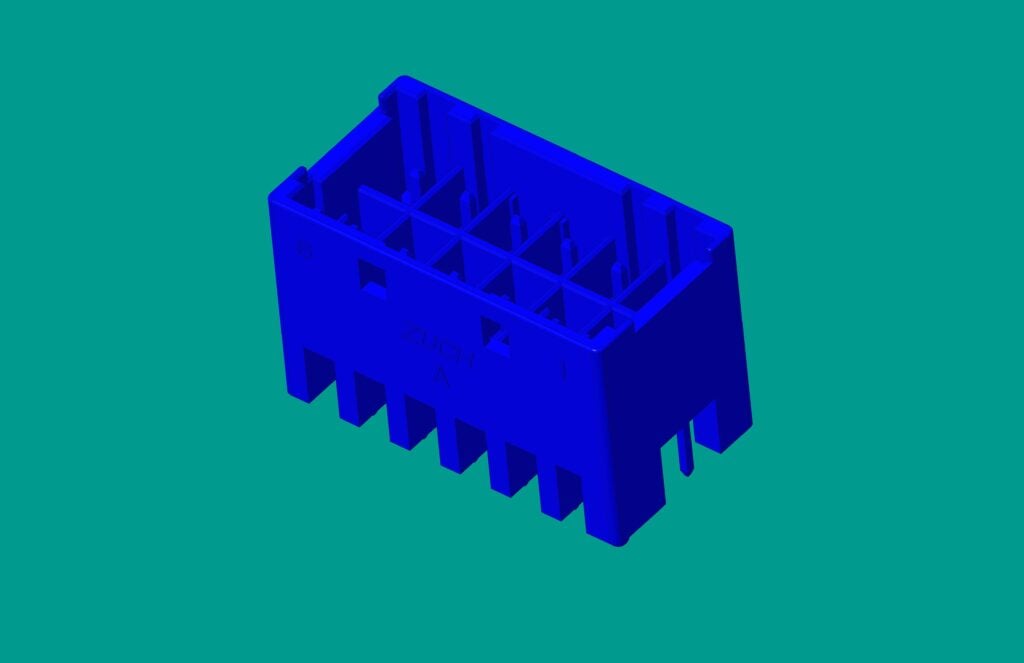
- Pin Connectors: Pin connectors are a versatile connector type that is used in the majority of automotive sensor applications involving the transfer of data (e.g., anti-lock brakes, oxygen sensors).
- Modular Connectors: Modular connectors are becoming increasingly common in today’s vehicles. They provide flexible or custom opportunities for a variety of electronic systems.
Maintenance Tips for Automotive Sensor Connectors
After installing your sensors, confirming that their performance is optimal and their lifespan will last as long as possible can be achieved through the following tips:
1. Periodically check your connectors for signs of rust/corrosion and/or damage. This is especially true in environments where moisture levels are high.
2. Apply dielectric grease to prevent corrosion as well as moisture penetration.
3. Replace sensors when they demonstrate poor performance and/or inaccurate sensor data.
How to Match a Sensor Connector to the Vehicle Wiring
A sensor connector should be selected from the vehicle documentation outward, not from appearance or a generic “universal” label. First identify the sensor and its circuit, then record the connector housing, cavity count, keying, terminal family, wire size, seal arrangement and latch. The same-looking housing can use a different terminal or pin assignment, so the mating half and the service information must be confirmed together.
| Selection question |
What to verify |
Useful evidence |
| Will it mate? |
Housing shape, keying, latch position and cavity map |
Vehicle service manual, connector drawing and the original mating half |
| Will the circuit operate? |
Voltage, current, signal type and wire range |
Wiring diagram and sensor specification |
| Will it survive its location? |
Temperature, water, oil, vibration and chemical exposure |
Installation location and the connector datasheet |
| Can it be serviced safely? |
Terminal retention, secondary lock, release access and strain relief |
Repair procedure and a visual inspection after assembly |
Can I identify a sensor connector by pin count alone?
No. Pin count is only one clue. Keying, terminal size, seal design, latch geometry, wire range and the vehicle wiring diagram must also match.
What should I check when a replacement connector fits but the sensor still gives an error?
Recheck the cavity map, terminal seating, ground and supply circuits, seal damage and the sensor’s specified test procedure. A housing that mates mechanically can still contain the wrong terminals or pin assignment.
Is dielectric grease a substitute for a sealed connector?
No. Grease may be permitted by a connector or vehicle repair procedure, but it cannot correct a damaged seal, an incorrect cable diameter or an unsealed interface. Follow the connector manufacturer’s service instructions.
For an engine-bay or underbody location, a sealed design may be appropriate, but an IP marking alone does not prove that every installed cable entry or mating interface will have the same protection. Check the complete connector system, including seals, backshell, cable diameter and assembly method. For a safety-related circuit, use the vehicle maker’s approved repair information rather than substituting a connector solely because the pin count matches.
Check the Fit, Terminals, and Seals Before Installation
- Compare the interface without force. Confirm keying and orientation; a correct connector should seat without forcing or twisting the housing.
- Inspect terminals and seals. Look for pushed-back terminals, damaged locking fingers, cuts in wire seals, corrosion or bent contacts before mating.
- Verify the circuit. Use the approved wiring diagram and test procedure. Do not infer a pinout from color alone or probe a powered safety circuit without the required precautions.
- Check retention and routing. After mating, confirm the secondary lock, cable support and clearance from heat or moving parts. A light tug check should follow the manufacturer’s repair procedure.
FAQs
What are some signs indicating that my connector is failing?
Some of the most common signs include intermittent sensor reading(s), warning light(s) on the dashboard, and visible corrosion (rust). If you suspect your sensor may have one of these problems, check the condition of your connectors.
Are universal connectors interchangeable between vehicles?
Not all universal connectors are compatible with every make and model of vehicle. You should refer to both your own vehicle’s manufacturing specifications and the specifications of the universal connector before making a decision. In most cases, it’s best to use a connector designed specifically for your make/model vehicle.
Are OEM Connectors superior to aftermarket connectors?
OEM connectors are manufactured in accordance with the vehicle’s exact specifications, whereas aftermarket connectors can be manufactured beyond OEM specifications. Therefore, while quality aftermarket connectors do exist, they’re generally considered not as reliable as OEM connectors.
What is the average cost of an automotive sensor connector?
Connector prices will vary from a few dollars to upwards of $50, depending on the length of the connector, material used to manufacture the connector, and the brand. Therefore, you need to evaluate both the quality of the connector against the cost of the connector.
The automotive sensor connector you select will greatly affect your vehicle’s safety and performance. Therefore, you must evaluate your vehicle’s needs, review and understand the connector’s specification, and utilize the best quality connector possible within your budget to ensure good communication between your vehicle’s sensors and any systems that rely on the sensors for operational data. When determining which connector to choose, you should consider various factors including compatibility, material quality, environmental factors, and electrical requirements. Finally, with the proper installation and maintenance of the connector, you can expect the connector to last for many years to come. If you are unsure about the correct connector for your vehicle, you should seek manufacturer or repair shop help.
Key Points for Choosing a Sensor Connector
The dependable choice is the connector that matches the vehicle documentation, mating geometry, terminal system, electrical duty and installation environment as a complete assembly. Use appearance and price only as secondary filters, then verify retention, sealing and the pinout before the vehicle is returned to service.
References and Further Reading
- IEC 60512 — Connectors for electronic equipment: tests and measurements
- ISO 8092 — Road vehicles: connections for on-board electrical wiring harnesses
- ISO 16750 — Road vehicles: environmental conditions and testing for electrical and electronic equipment
- CAN in Automation — public CAN technology and physical-layer knowledge base
 Zhejiang ZUCH Technology Co., Ltd.